
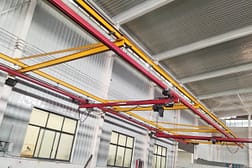
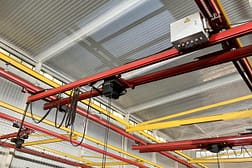
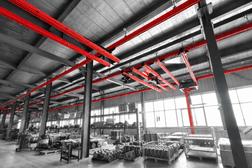
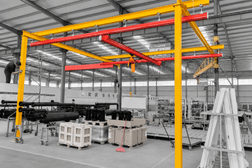
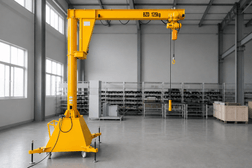
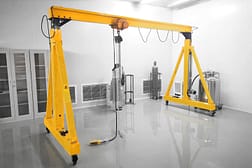
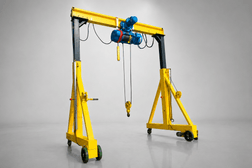
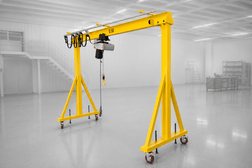
De fleste købere antager, at en traverskran er den mere økonomiske løsning.
I mange tilfælde har de ret.
Det var præcis, hvad en af vores kunder i Uganda tænkte, da han kontaktede os for en løfteløsning. Alene baseret på udstyrets pris virkede traverskranen som det oplagte valg.
Men efter at have sammenlignet to komplette løsninger, overraskede resultatet ham.
Selve traverskranen var billigere.
Alligevel endte prisen på traverskranløsningen med at være 5.647 USD højere end portalkranløsningen.
Hvad forårsagede så dramatisk en forskel? Svaret var ikke selve kranen. Det var en omkostning, som mange købere overser.
Den indledende sammenligning favoriserede traverskranen
Kunden havde brug for et løftesystem med følgende specifikationer:
- Kapacitet: 7 tons
- Spændvidde: 22,8 m
- Løftehøjde: 8,5 m
- Driftsklasse: A5
For at hjælpe ham med at vælge den mest passende løsning, udarbejdede vi to forslag:
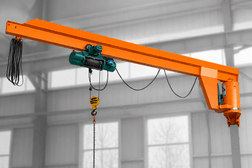
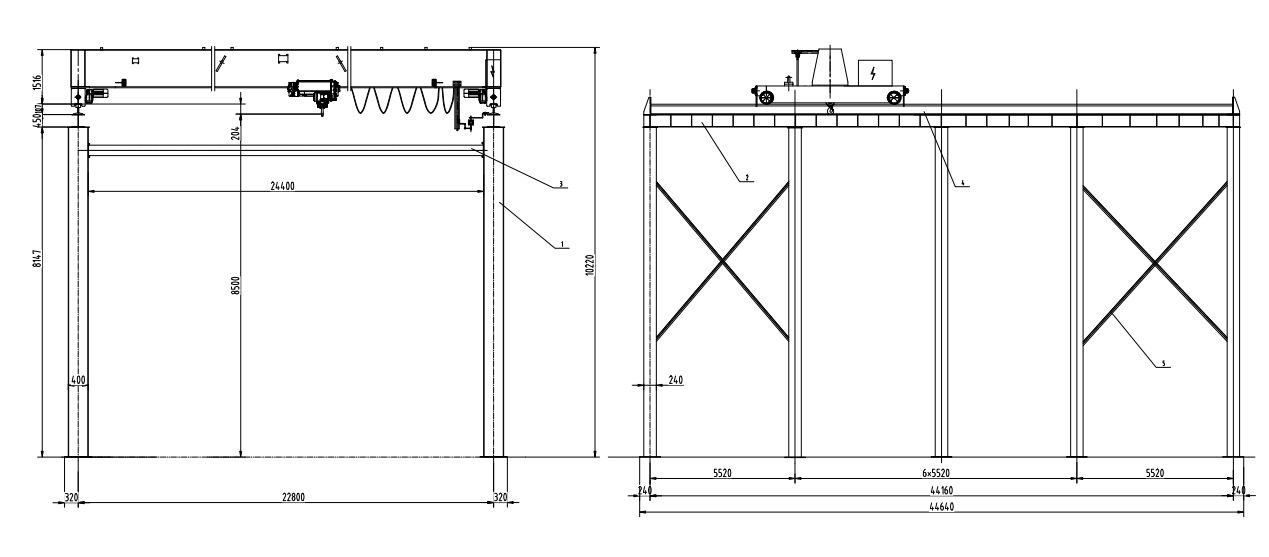
Mulighed 1: Traverskran med enkelt bjælke
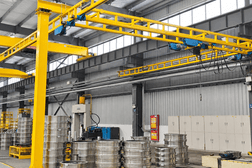
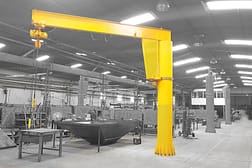
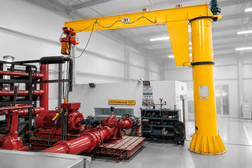
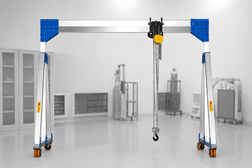
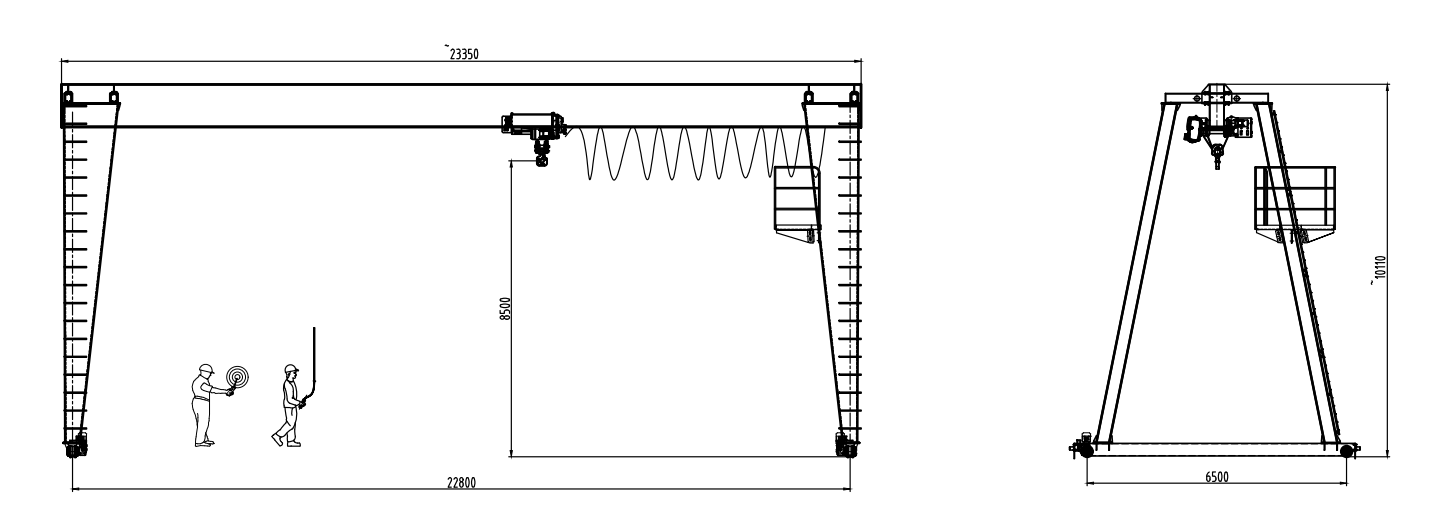
Mulighed 2: Portalkran med enkelt bjælke
Ved første øjekast virkede traverskranen som den klare vinder.
Selve kranudstyret blev tilbudt til: Traverskran USD 14.200.
Til sammenligning var prisen for en portalkran: Portalkran USD 28.985.
Portalkranen kostede mere end dobbelt så meget. De fleste købere ville sandsynligvis stoppe med at sammenligne på dette tidspunkt og antage, at traverskranen var den bedre investering. Men det er her, mange kranprojekter går galt.
De skjulte omkostninger ved understøttende strukturer
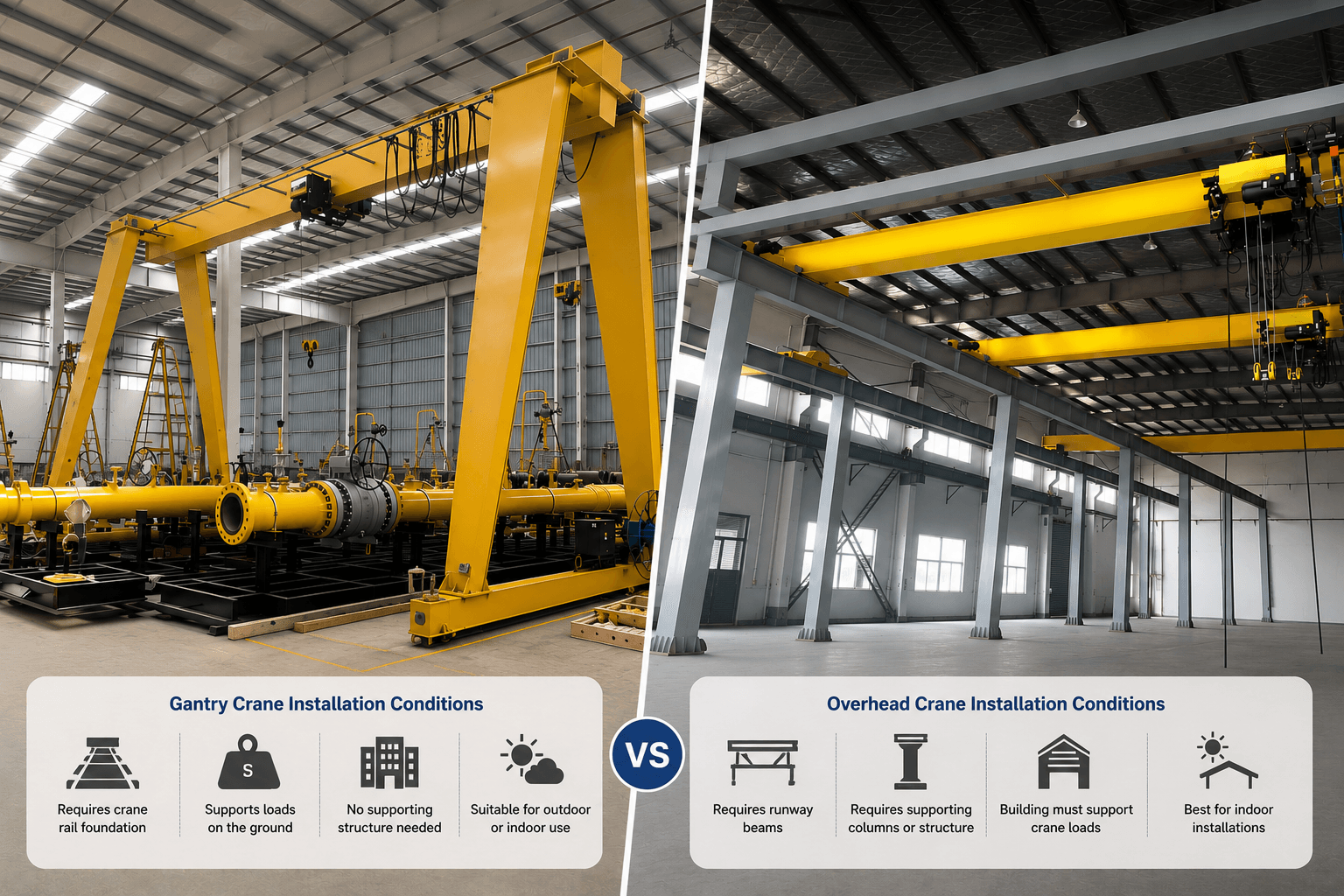
Problemet var ikke kranen. Problemet var, hvad kranen skulle bruge for at fungere. I modsætning til en portalkran kan en traverskran ikke bære sig selv. Dens laster skal overføres til bygningen via et løbebanesystem og en bærende struktur. Da vi gennemgik kundens område, fandt vi ud af, at anlægget ikke havde en eksisterende kranbærende struktur.
For at installere traverskranen sikkert krævedes yderligere komponenter, herunder:
- Stålsøjler
- Banebanebjælker
- Forbindende bjælker
- Afstivningssystem
Som følge heraf havde kunden brug for en ekstra stålkonstruktionspakke til en pris på: 19.355 USD
Overraskende nok koster den bærende struktur mere end selve kranen. Og det tal inkluderede ikke den tid, der kræves til fremstilling, installation og strukturel koordinering. På dette tidspunkt begyndte den oprindelige antagelse om, at traverskranen var den billigere løsning, at ændre sig.
Prissammenligning: Traverskran vs. portalkran
Da alle projektrelaterede omkostninger var medtaget, så sammenligningen meget anderledes ud.
| Vare | Traverskran | Portalkran |
| Kranudstyr | 14.200 USD | 28.985 USD |
| Støttestruktur | 19.355 USD | Ikke påkrævet |
| Skinner og elektrisk system | Inkluderet | Inkluderet |
| Fragt | Inkluderet | Inkluderet |
| Samlede projektomkostninger | 40.182 USD | 34.535 USD |
Det endelige resultat overraskede kunden.
Selvom traverskranudstyret var billigere, nåede den samlede projektinvestering 40.182 USDPortalkranløsningen krævede, på trods af en højere udstyrspris, en samlet investering på kun 34.535 USD.
Samlede besparelser: USD 5.647. Cirka 14% lavere projektomkostninger
Med andre ord blev den "billigere" kran det dyrere projekt.
Hvorfor portalkranen koster mindre samlet set for projektet
Den vigtigste forskel var de strukturelle omkostninger. En portalkran er et selvbærende system. I stedet for at overføre laster til bygningen, bærer den dem direkte ned til jorden gennem sine ben og skinnefundament.
På grund af dette design undgik kunden:
- Yderligere bjælker på landingsbanen
- Kranbærende søjler
- Konsoler og beslag
- Større bygningsændringer
- Omfattende strukturel forstærkning
For faciliteter, der oprindeligt ikke var designet til en traverskran, kan disse besparelser være betydelige. I dette Uganda-projekt opvejede reduktionen i strukturarbejde mere end den højere pris på selve portalkranen.
Vigtige konklusioner for krankøbere
Mange købere sammenligner kranpriser. Langt færre sammenligner de samlede projektomkostninger. Kranprisen er dog kun én del af investeringen.
Før du vælger en løfteløsning, er det vigtigt at vurdere:
- Udstyrsomkostninger
- Støttende stålkonstruktion
- Installationskrav
- Fundamentsarbejde
- Elektriske systemer
- Transportomkostninger
- Overvejelser om fremtidig vedligeholdelse
En kran, der på papiret ser billigere ud, kan i sidste ende kræve en større samlet investering, når al understøttende infrastruktur er inkluderet.
Konklusion
Dette projekt betyder ikke, at portalkraner altid er mere økonomiske end traverskraner.
På mange anlæg, især dem der allerede er udstyret med banebjælker og kranbærende strukturer, kan en traverskran stadig være den mest effektive og omkostningseffektive løsning. Den vigtige lektie er, at valg af kran bør baseres på de samlede projektomkostninger, ikke blot udstyrsprisen.
For denne kunde i Uganda afslørede det en mulighed for at reducere projektinvesteringen med mere end fem tusind dollars, når man kiggede ud over kranprisen. Og det gjorde portalkranen til det bedre valg.
Brug for hjælp til at sammenligne begge muligheder?
Hvert projekt er forskelligt.
Hvis du planlægger en kraninstallation og er usikker på, om en traverskran eller en portalkran er den bedste investering, så send os dit:
- Løftekapacitet
- Span
- Løftehøjde
- Værkstedslayout eller byggepladstegning
Vores ingeniørteam kan evaluere begge løsninger og hjælpe dig med at identificere den mest omkostningseffektive løsning til dit projekt.
