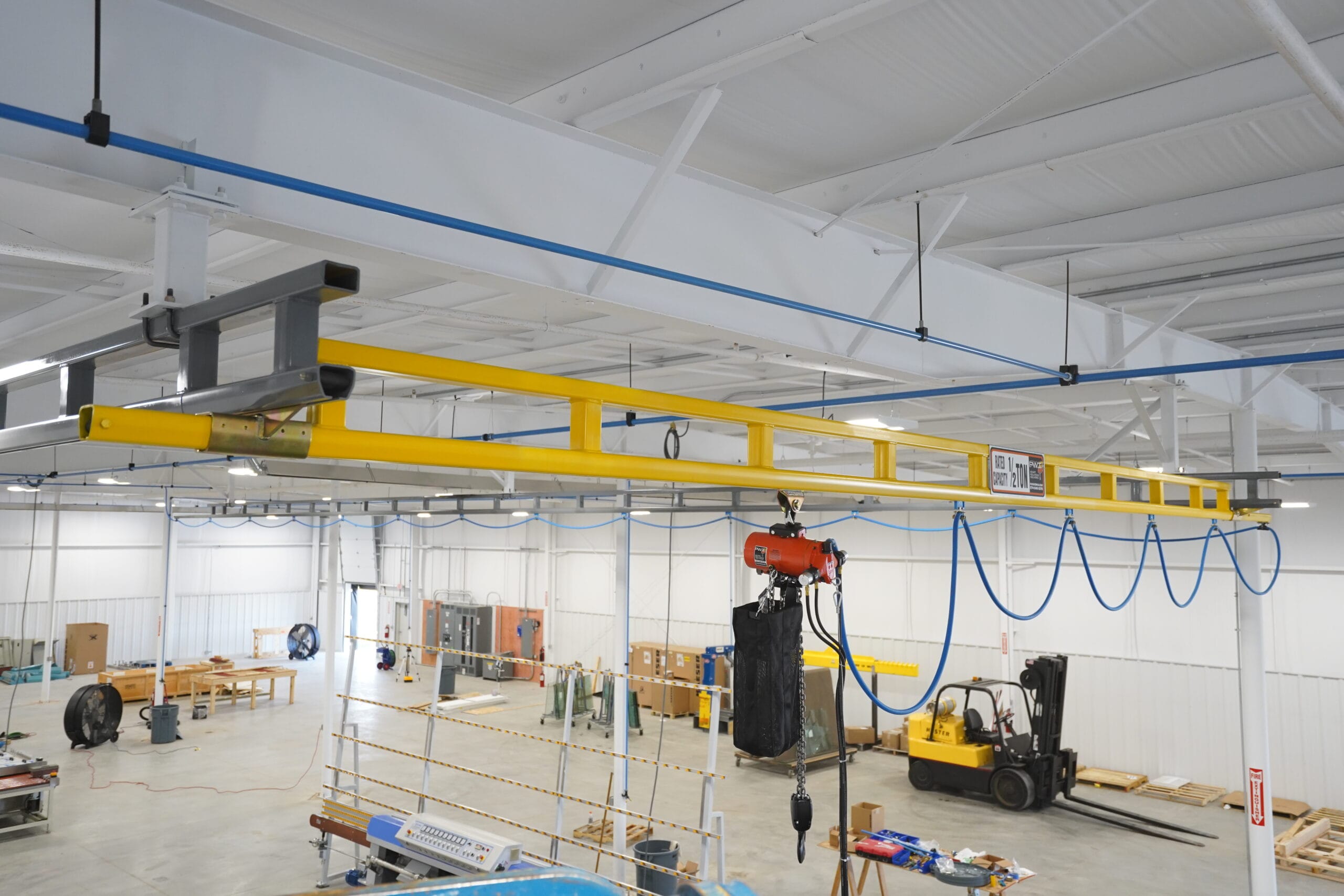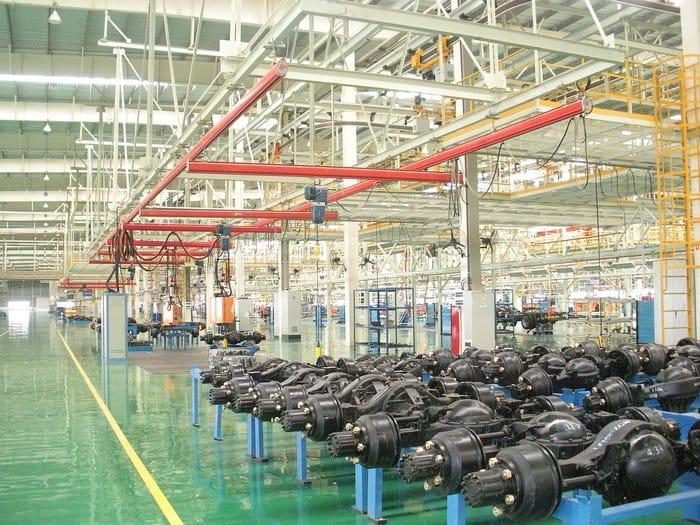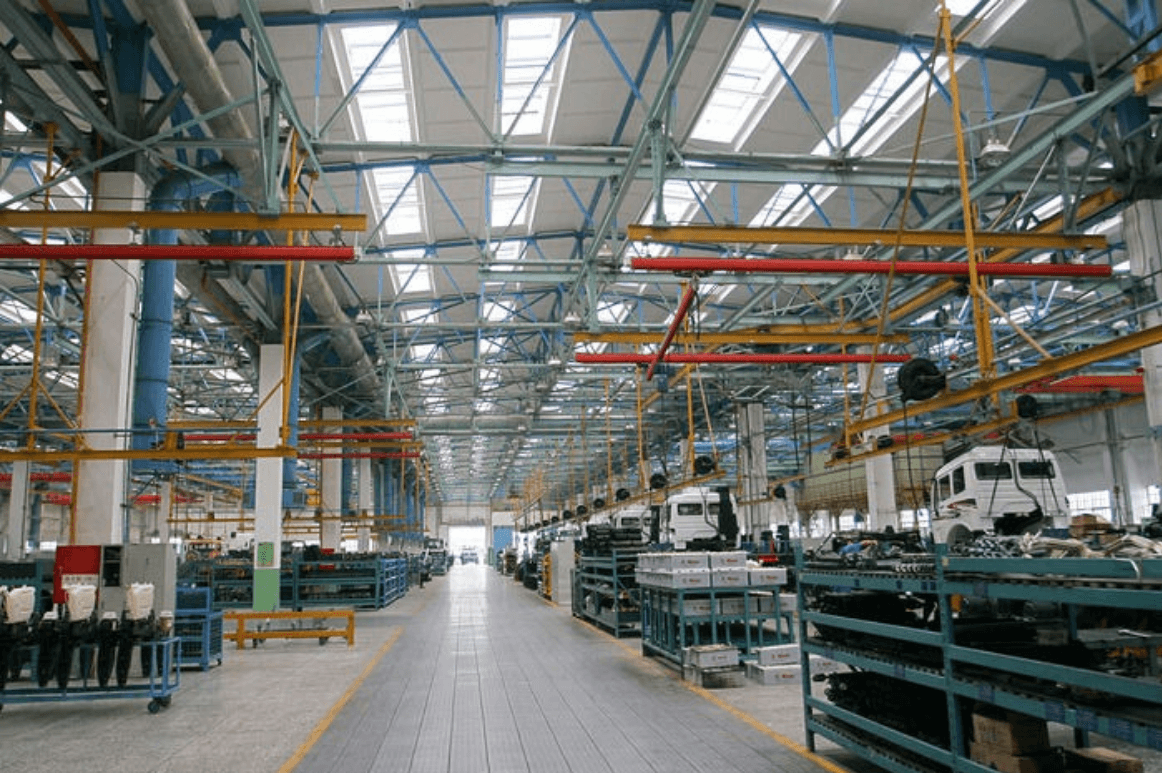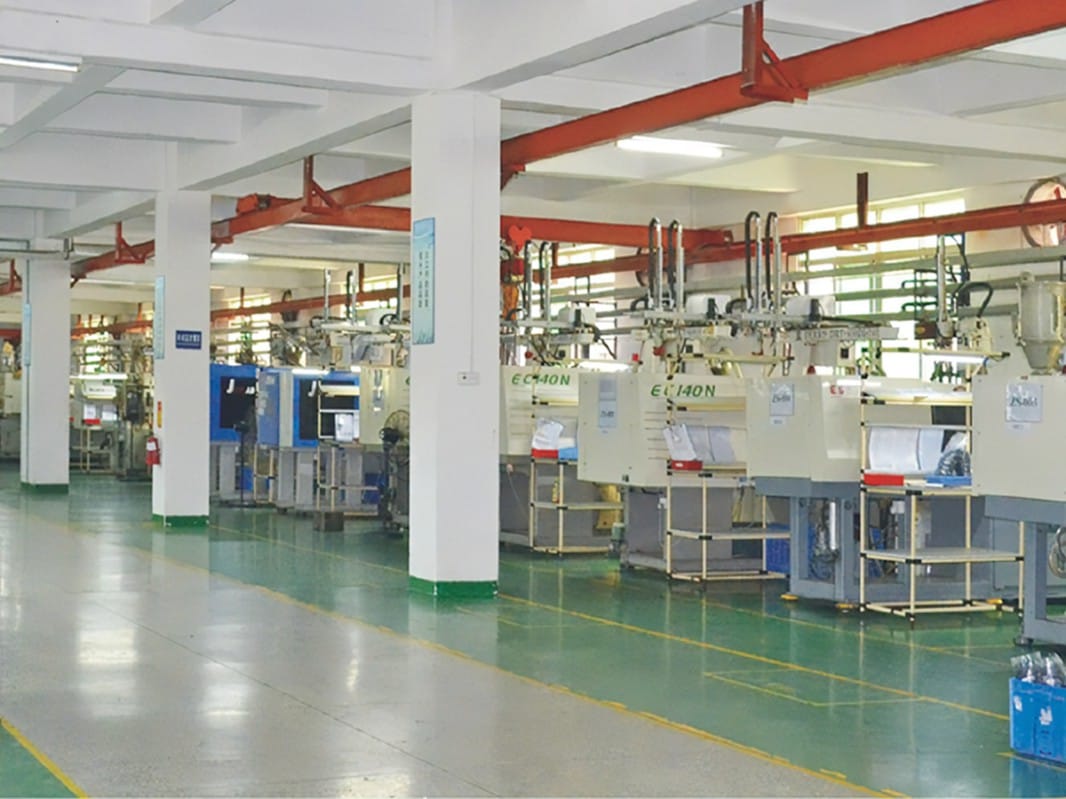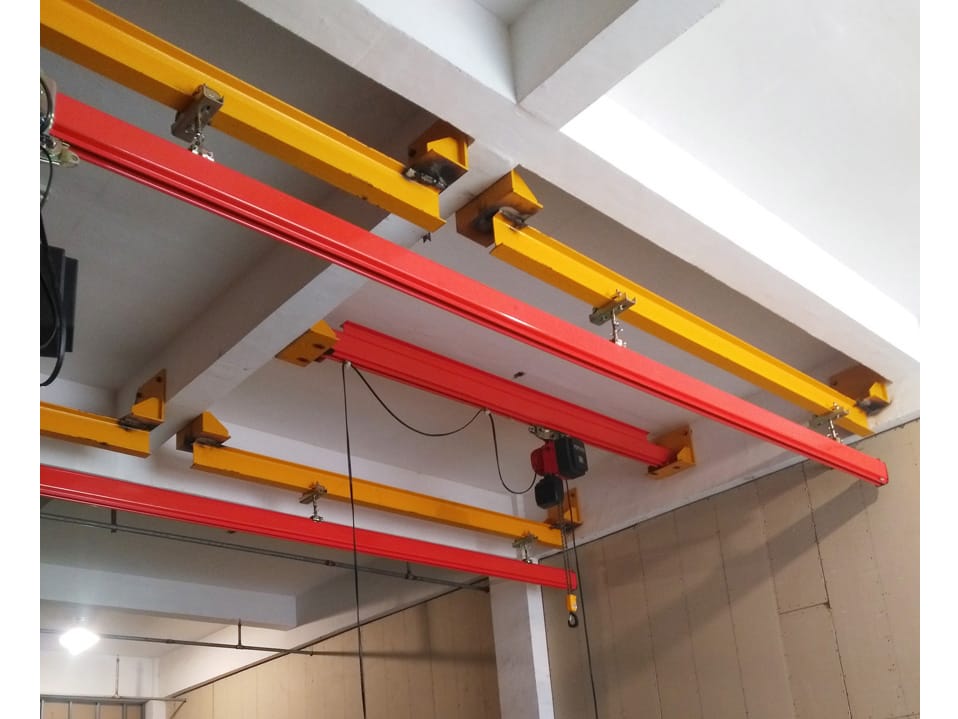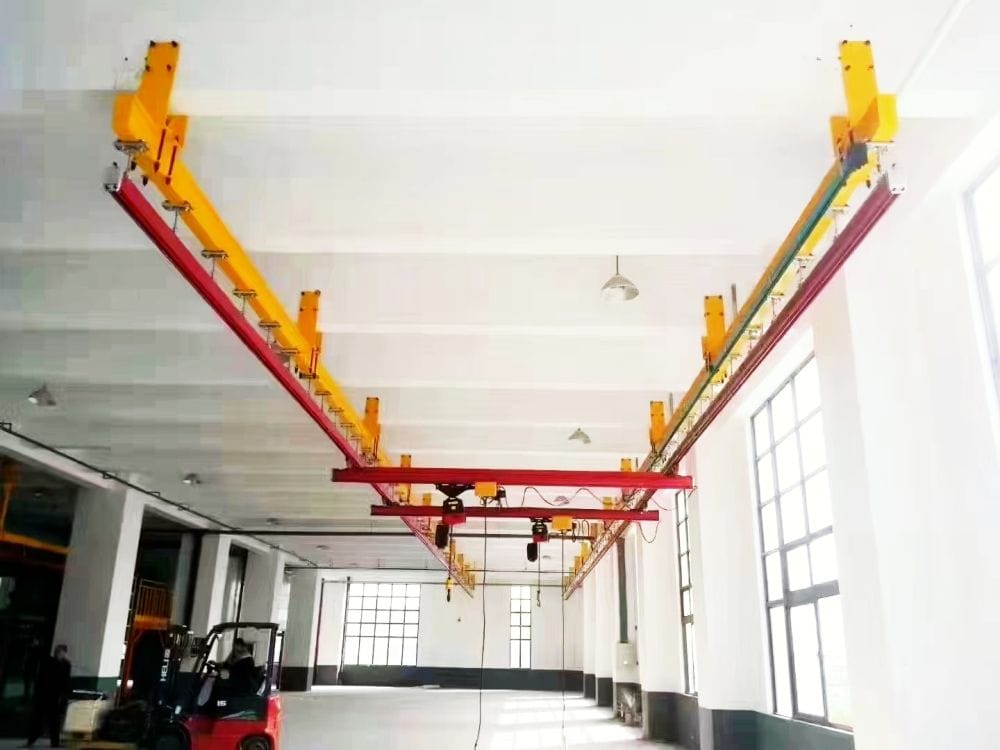
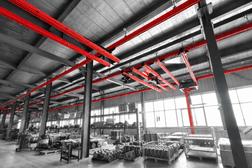
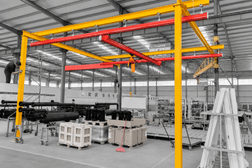
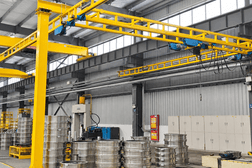
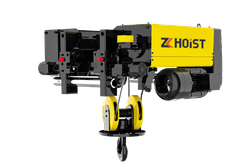
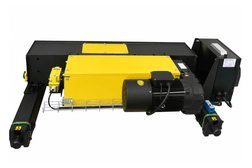
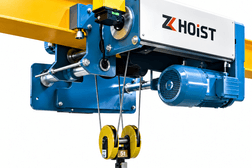
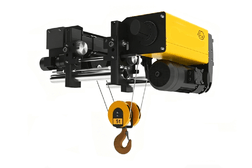
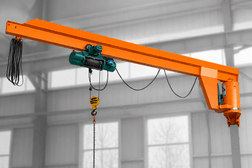
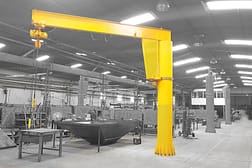
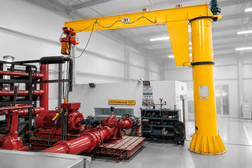
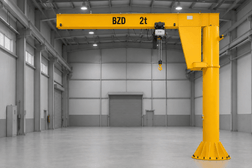
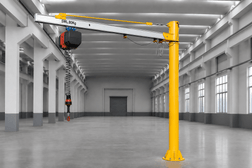
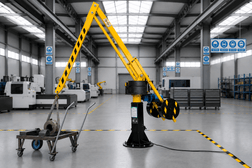
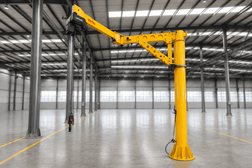
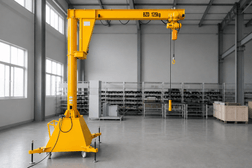
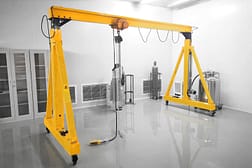
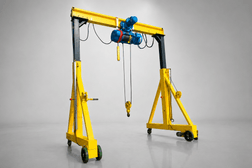
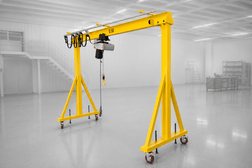
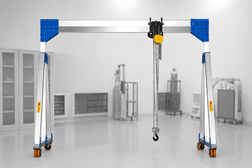
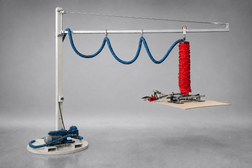
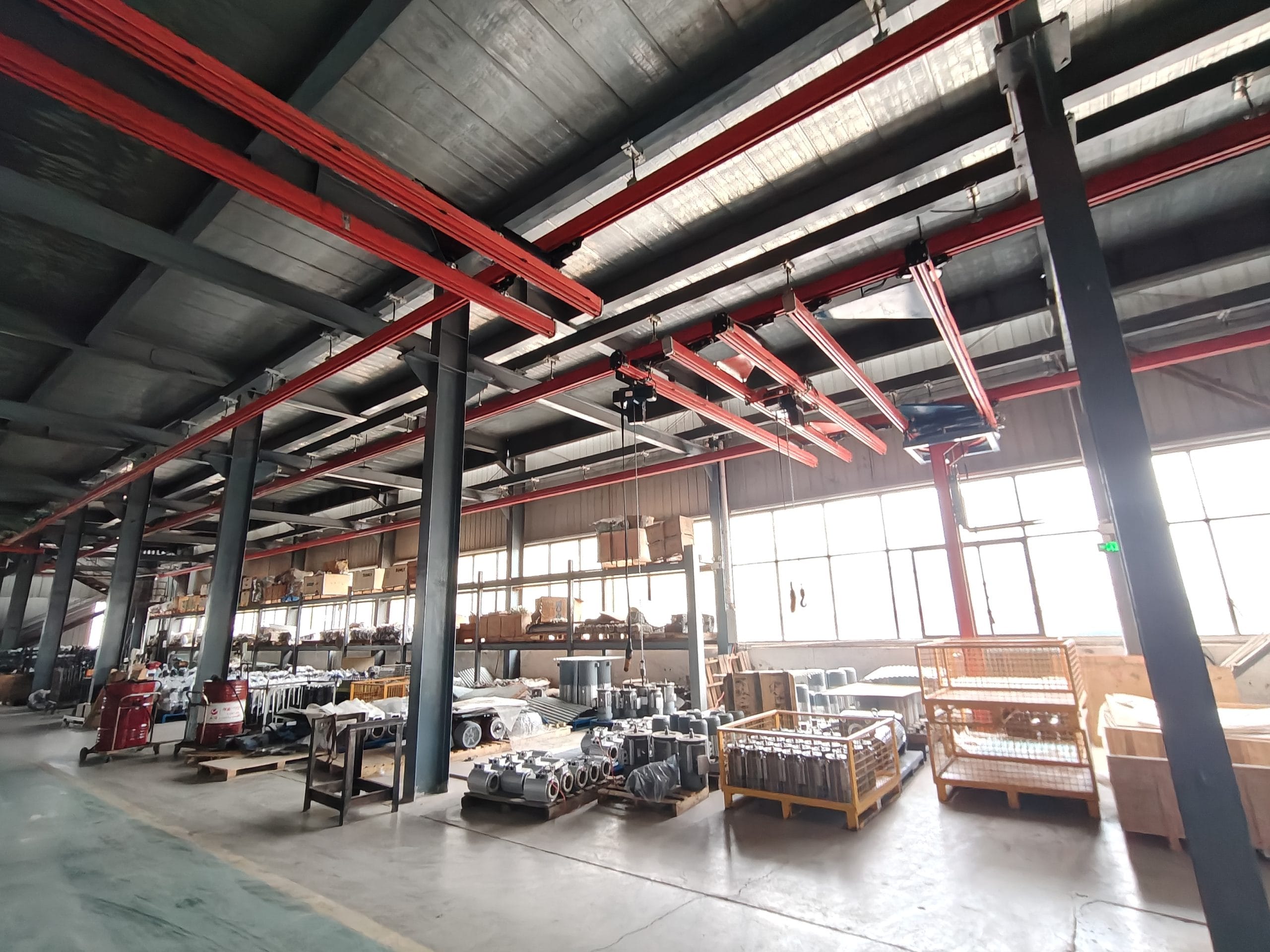
La grúa puente para estaciones de trabajo montada en el techo es un sistema ligero de manipulación de materiales diseñado para estaciones de trabajo y líneas de producción. Suspendida de las cerchas del techo, las losas del piso o una estructura de acero superior específica, no requiere columnas de soporte en el piso y mantiene despejadas las áreas alrededor de la maquinaria, las rutas de materiales y los pasillos.
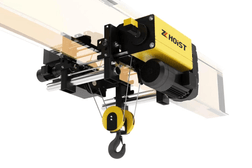
Las vías, los sistemas de suspensión, los carros de traslación, las vigas del puente, los equipos de elevación y los componentes de la fuente de alimentación conforman un área de trabajo rectangular. Las conexiones flexibles permiten una articulación limitada para cargas ligeras y una fácil operación manual, mientras que las conexiones rígidas reducen la oscilación para cargas más elevadas, ciclos frecuentes y un posicionamiento más preciso. ZKHOIST suministra configuraciones de viga simple, viga doble y telescópicas según la capacidad, la luz, la estructura del edificio y la distribución del puesto de trabajo.
Especificaciones de la grúa puente con estación de trabajo montada en el techo
| Parámetro | Descripción |
| Capacidad nominal | 80 kg-3 t |
| Durar | 3-10 m |
| Altura de elevación | Determinado por la altura del edificio, la elevación de instalación y el espacio libre del equipo. |
| Clase de servicio | A3-A4; las aplicaciones frecuentes o de uso especial requieren verificación por separado. |
| Instalación | Suspendido de las cerchas del techo, vigas de acero debajo de las losas o soportes superiores específicos. |
| Tipo de conexión | Conexión flexible/rígida |
| Configuración del puente | Puente de viga simple / de viga doble / telescópico |
| Material de vía | Carril de acero al carbono laminado en frío; el carril de aluminio es opcional para aplicaciones ligeras o de limpieza. |
| Viajes y control | Desplazamiento manual o motorizado; control colgante o remoto opcional. |
| Personalización | Se pueden diseñar a medida tramos, diseños de pistas, sistemas de suspensión y coberturas no estándar. |
Ventajas de la grúa puente para estaciones de trabajo montadas en el techo
Sin columnas en el suelo: Despeje las estaciones de trabajo y los pasillos.
La grúa está suspendida de la estructura superior del edificio, sin columnas de soporte en el área de trabajo. Esto permite una mayor libertad en la disposición de la maquinaria, los carros, los pasillos para montacargas y las rutas peatonales, especialmente en plantas con espacio limitado o con gran cantidad de equipos.
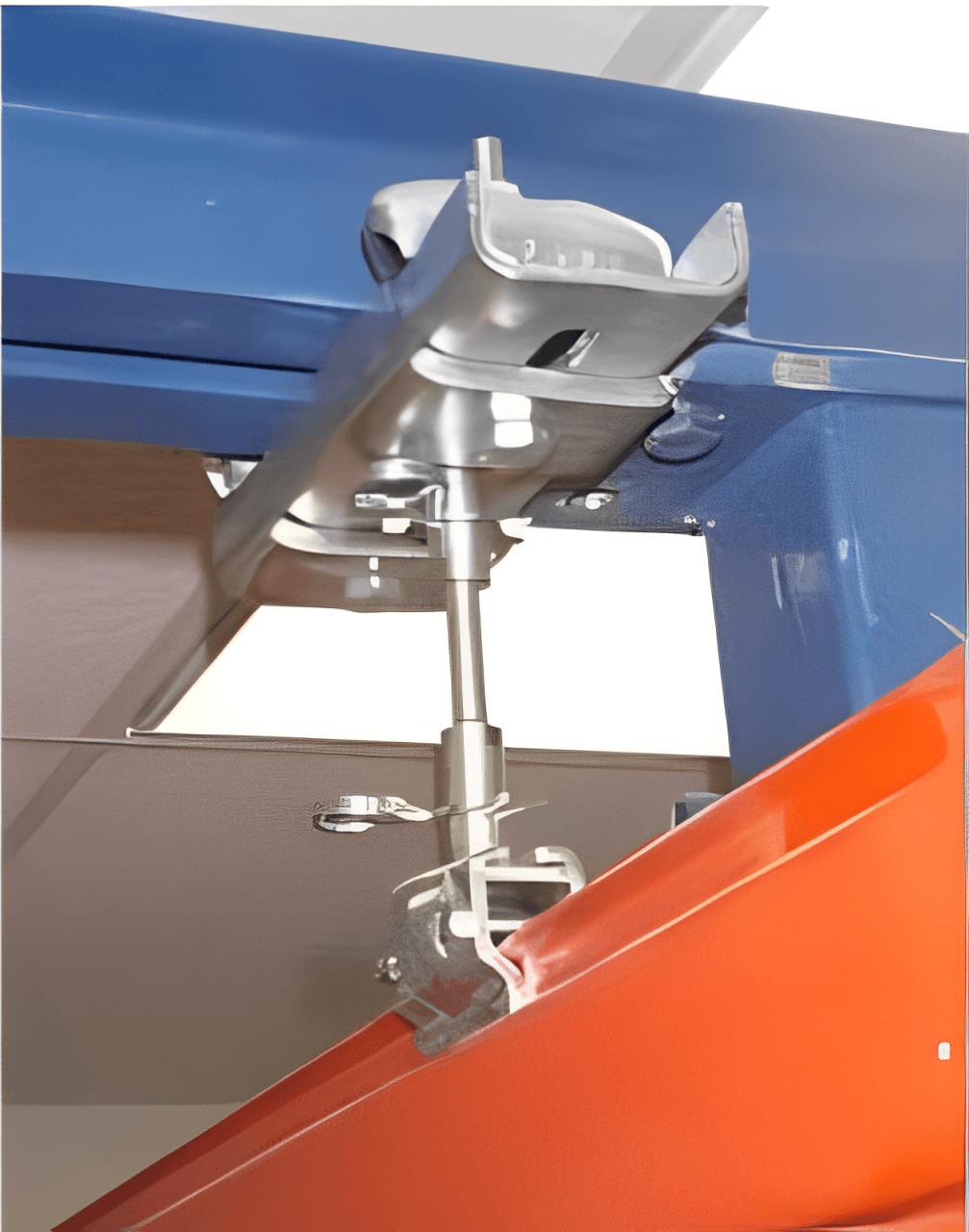
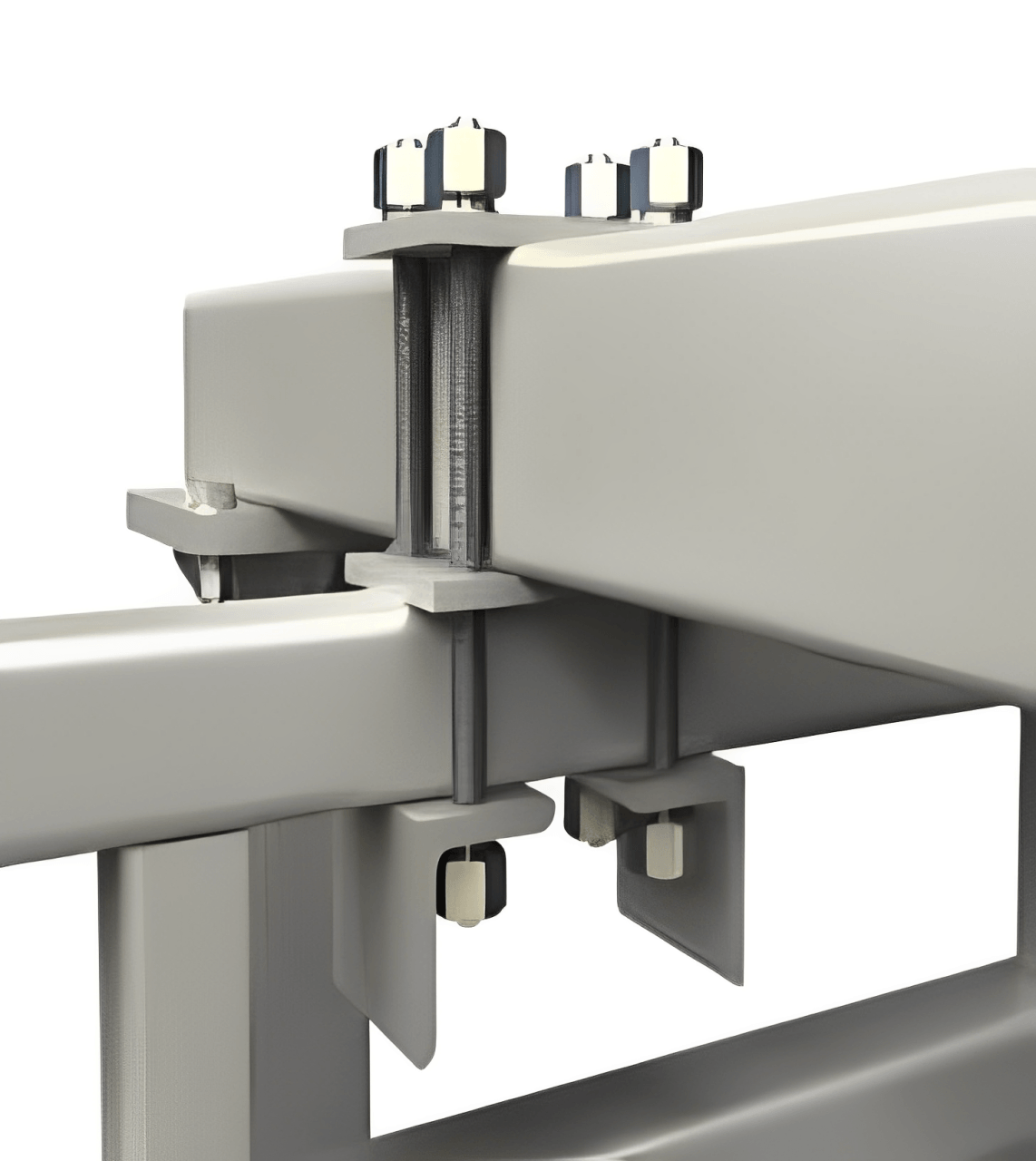
Conexiones flexibles o rígidas para adaptarse a la aplicación.
Las conexiones flexibles permiten una articulación limitada, se adaptan a pequeñas tolerancias de instalación y reducen la fricción durante el desplazamiento. Las conexiones rígidas minimizan el balanceo y mejoran el posicionamiento para cargas más pesadas, ciclos frecuentes o requisitos de precisión más exigentes.
Pista ligera para facilitar el desplazamiento manual.
Las vías cerradas conformadas en frío y las vigas de puente ligeras reducen el peso del sistema y la resistencia a la rodadura, lo que permite arranques frecuentes, traslados cortos y el posicionamiento manual de cargas suspendidas.
Diseño modular para expansión y reconfiguración.
Las vías, puentes, carros, sistemas de suspensión y componentes de alimentación modulares facilitan futuras modificaciones. Tras verificar la carga, se puede ampliar la vía, ajustar el área de cobertura o instalar puentes adicionales.
Opciones de viga simple y doble
Las grúas monorraíl son más ligeras y sencillas para la manipulación rutinaria de estaciones de trabajo. Las grúas birraíl ofrecen mayor espacio de instalación y estabilidad para capacidades más elevadas, tramos más largos o dispositivos de elevación especializados.
Adecuado para la modernización de instalaciones existentes.
Cuando la estructura superior del edificio tiene capacidad suficiente, el sistema evita la necesidad de cimentaciones y la instalación de columnas, lo que reduce las interrupciones en las áreas de producción existentes. Cualquier refuerzo de la cercha del techo o viga de soporte específica debe determinarse mediante verificación estructural.
Grúa de suspensión monorraíl para estación de trabajo
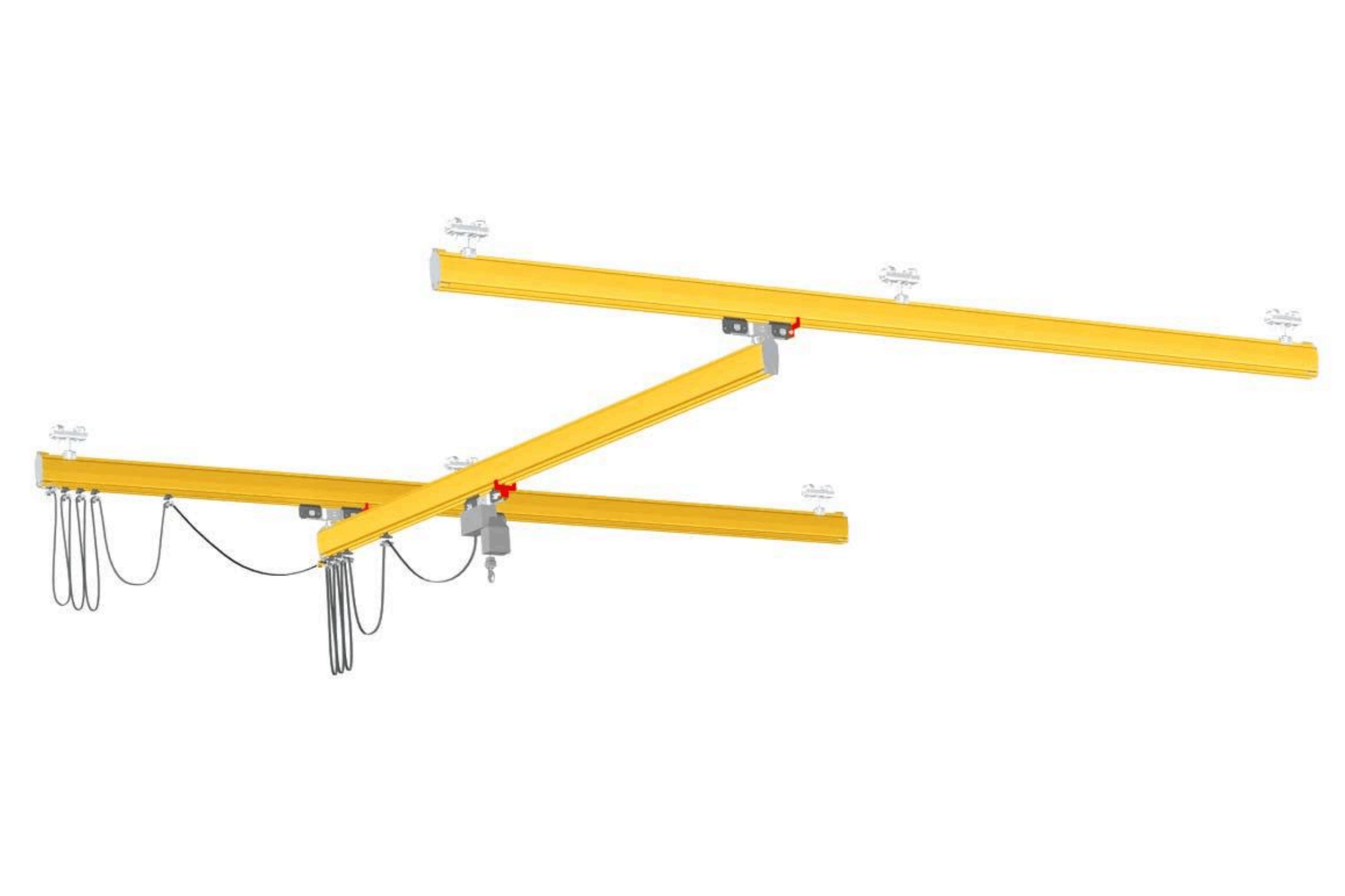
Un sistema de viga única consta de dos rieles longitudinales y una viga transversal. Su bajo peso propio y su estructura simple lo hacen ideal para el montaje, la carga de maquinaria, la transferencia de componentes y las estaciones de mantenimiento. Para su selección, se deben considerar la carga nominal, el peso del dispositivo bajo el gancho, la luz, la longitud del puente y la frecuencia de operación.
| Carril | Artículo | 80 | 125 | 250 | 500 | 1000 | 2000 | 3200 |
| I | Durar | 4.4 | 3.8 | 1.8 | / | / | / | / |
| longitud del haz | 5 | 4 | 2 | / | / | / | / | |
| II | Durar | / | / | 7.7 | 5.7 | 2.7 | / | / |
| longitud del haz | / | / | 8 | 6 | 3 | / | / | |
| III | Durar | / | / | 10.5 | 9.2 | 6.6 | 4 | 3.4 |
| longitud del haz | / | / | 13 | 11 | 8 | 5 | 4 |
Grúa de suspensión de doble viga para estación de trabajo
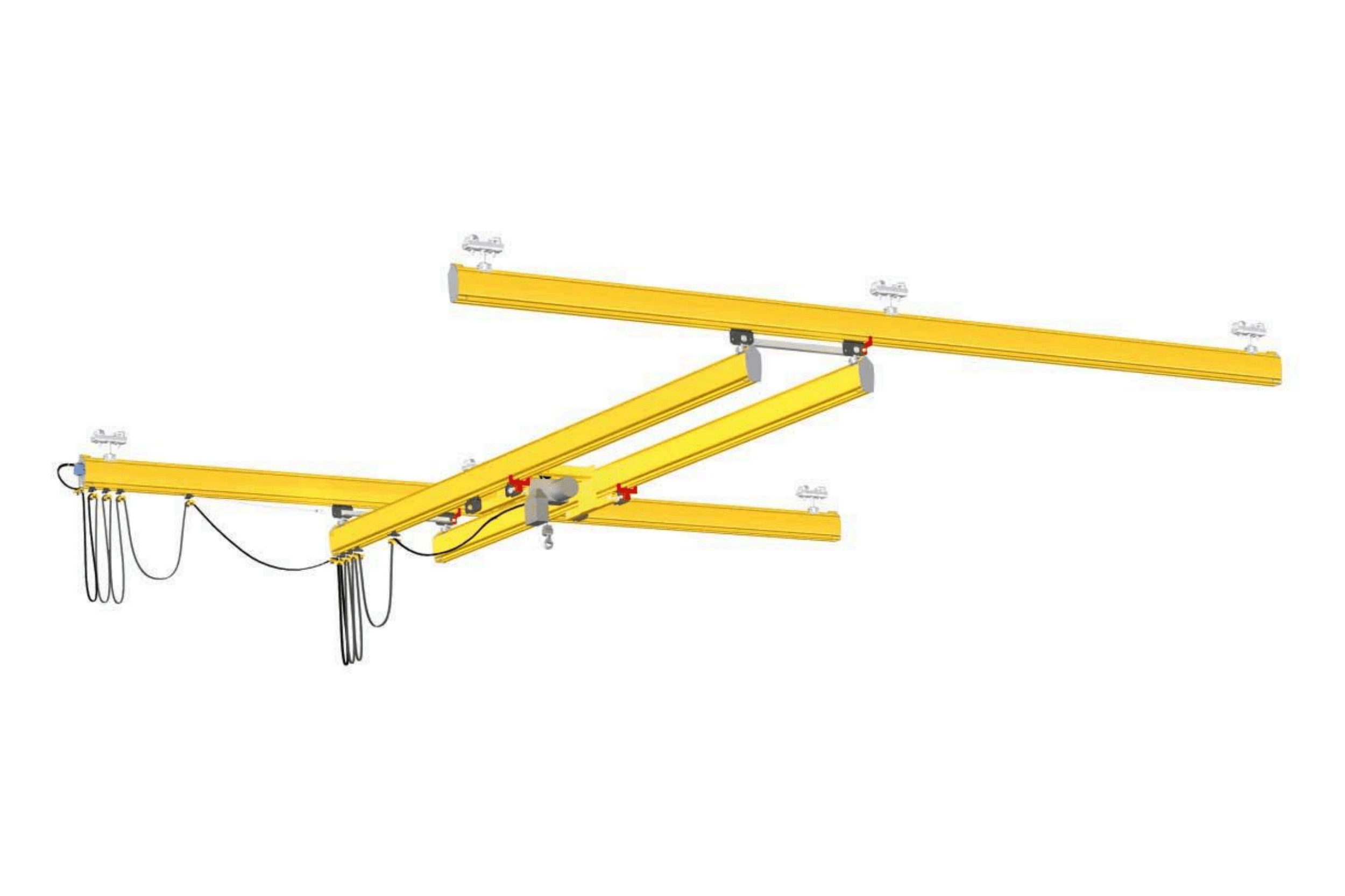
Un sistema de doble viga utiliza dos vigas paralelas para soportar el carro de elevación o un dispositivo de elevación especial. Proporciona mayor espacio de instalación y una mejor distribución de la carga para carros motorizados, elevadores de vacío, manipuladores y cargas excéntricas, lo que lo hace adecuado para mayores capacidades, tramos más largos y aplicaciones que requieren un mejor control de la carga.
| Carril | Artículo | 125 | 250 | 500 | 1000 | 2000 | 3200 |
| I | Durar | 5.1 | 4 | 2.8 | / | / | / |
| longitud del haz | 7 | 5 | 3 | / | / | / | |
| II | Durar | / | 10 | 8.1 | 5.9 | 3.7 | / |
| longitud del haz | / | 12 | 10 | 8 | 4 | / | |
| III | Durar | / | 10.5 | 10.5 | 9.3 | 6.7 | 5.2 |
| longitud del haz | / | 14 | 14 | 12 | 7 | 7 |
Diferencia entre sistemas de grúas para estaciones de trabajo flexibles y rígidos
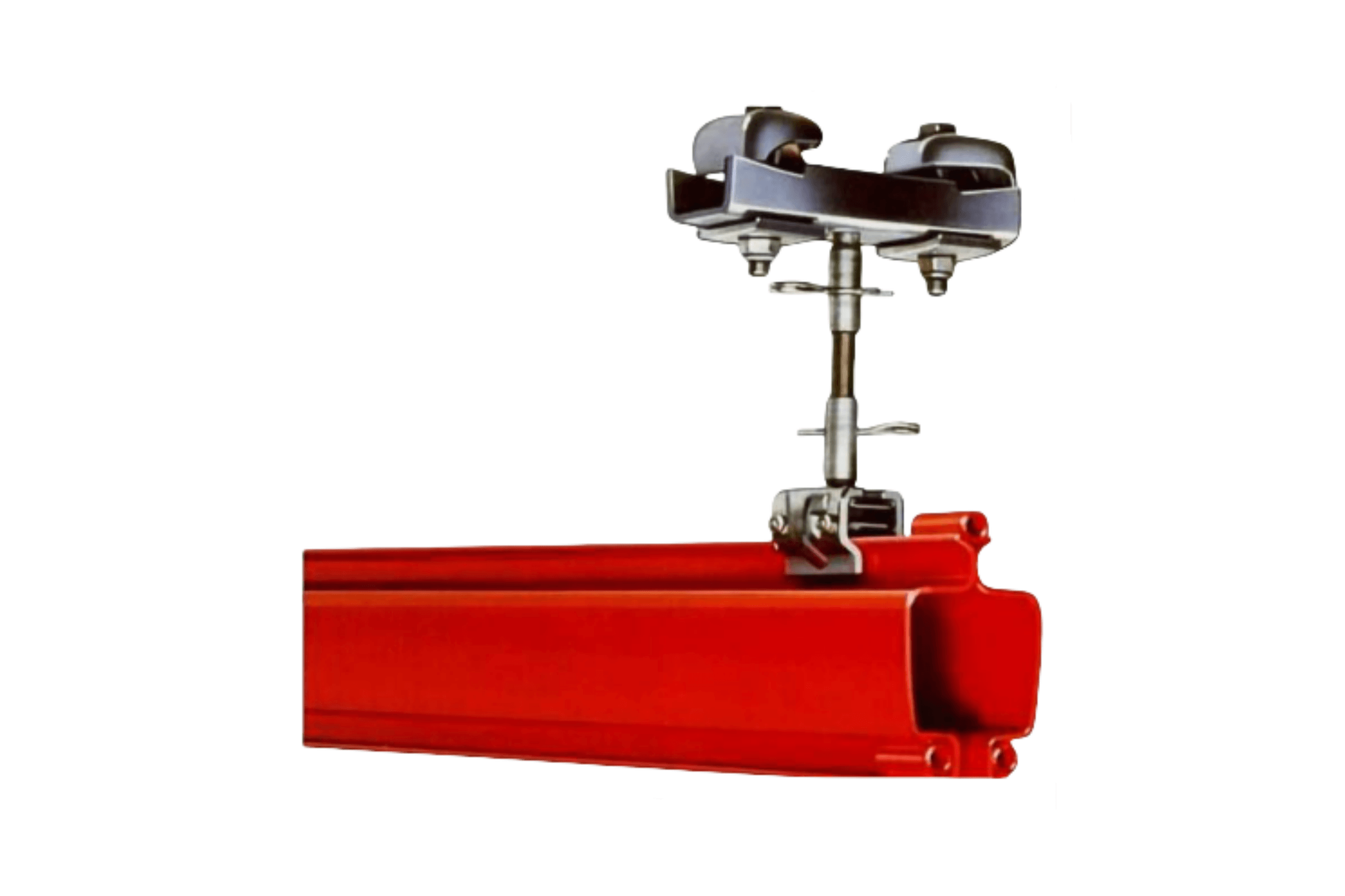
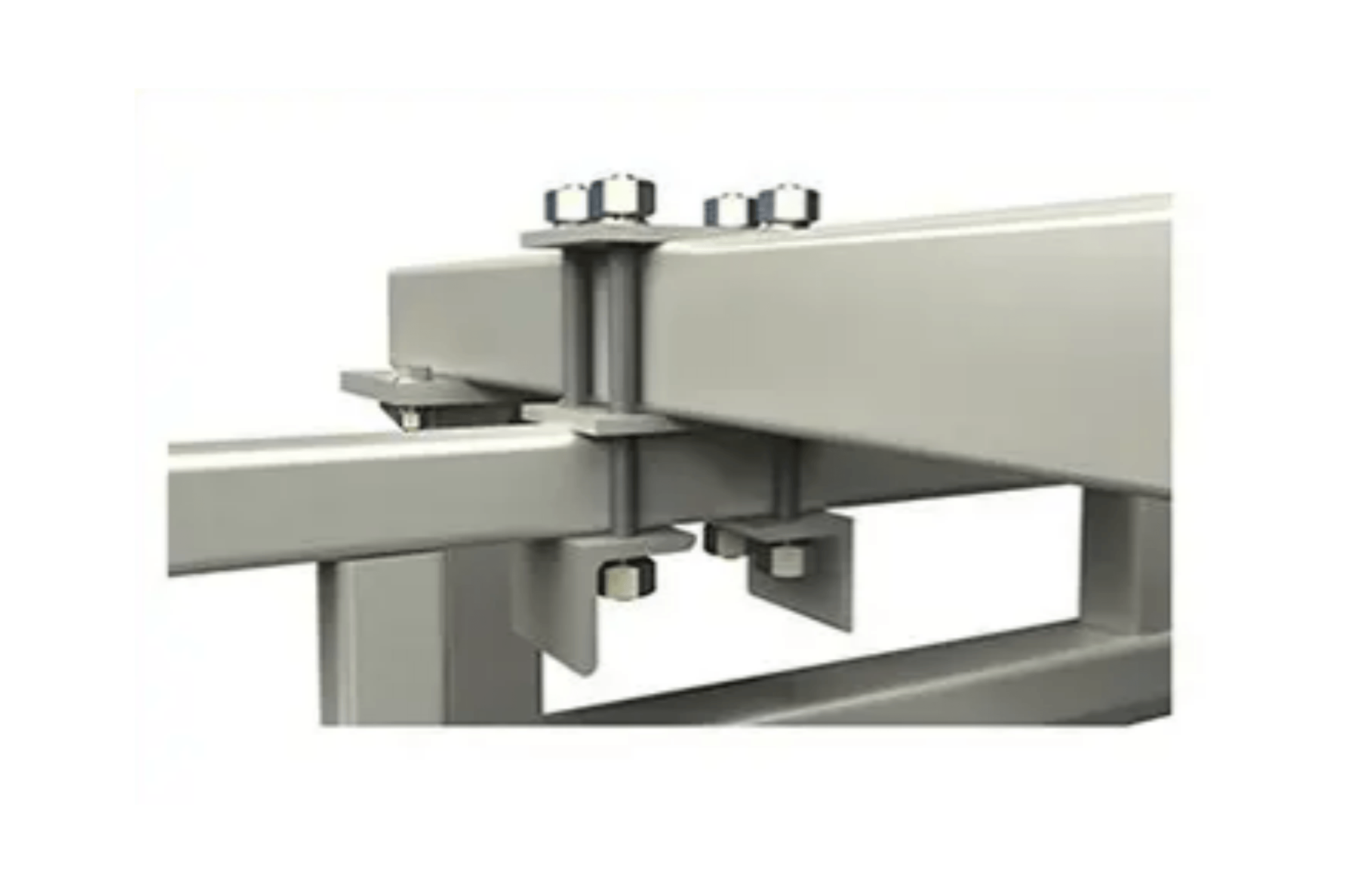
| Comparación | Grúa para estación de trabajo flexible | Grúa para estación de trabajo rígida |
| Estructura ferroviaria | Carril cerrado conformado en frío (carril de perfil C) | Perfiles de viga en I, viga cajón u otros perfiles de riel rígido |
| Método de conexión | Conexiones articuladas mediante juntas universales, rótulas y conjuntos de suspensión, que permiten el movimiento angular. | Conexiones rígidas atornilladas con placas de conexión, que permiten prácticamente ningún movimiento. |
| Capacidad de articulación | Permite una articulación angular limitada. | Prácticamente ninguna articulación |
| Estabilidad operativa | Permite una ligera articulación para un desplazamiento más suave. | Mayor rigidez estructural y estabilidad operativa. |
Presentación de la aplicación del producto