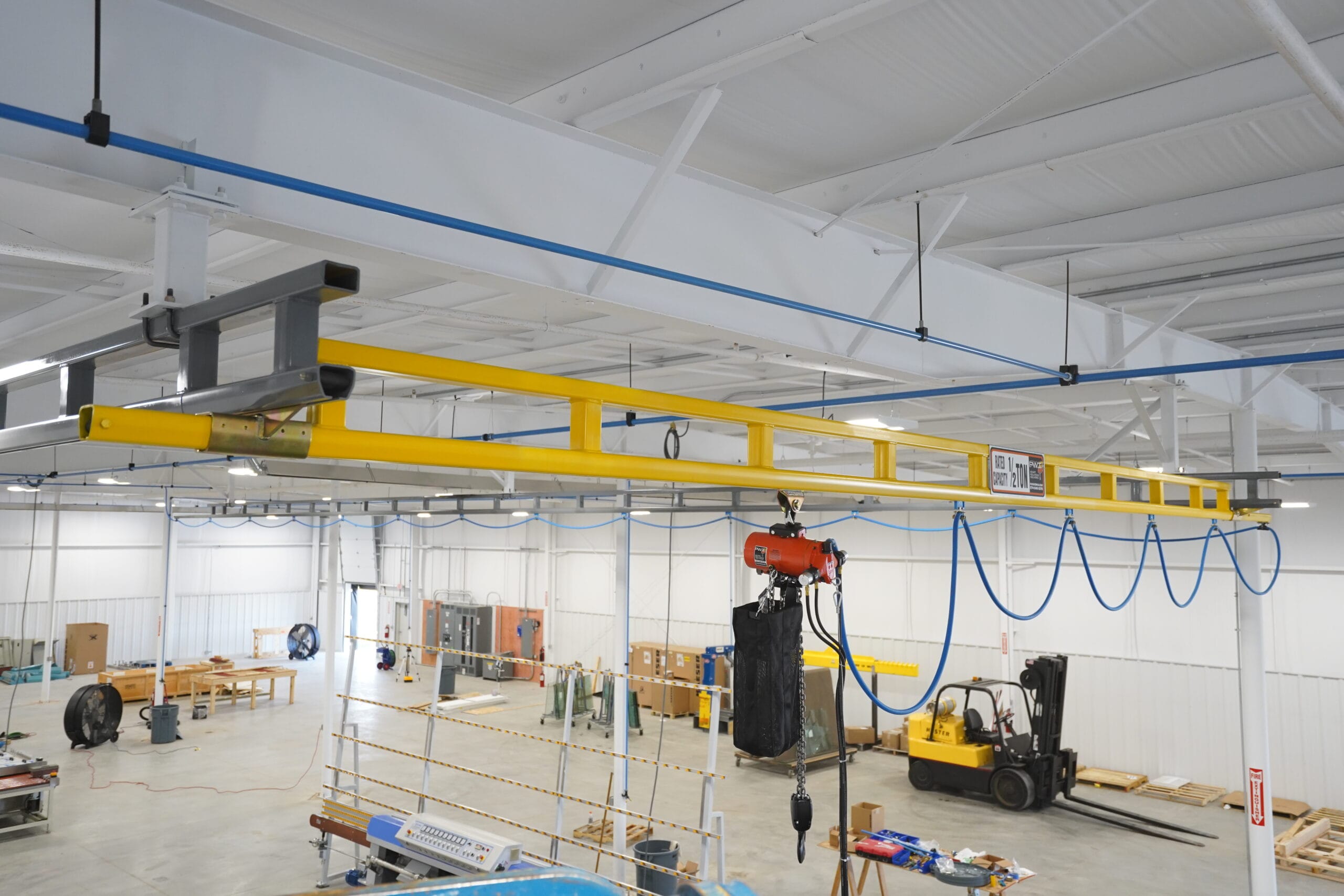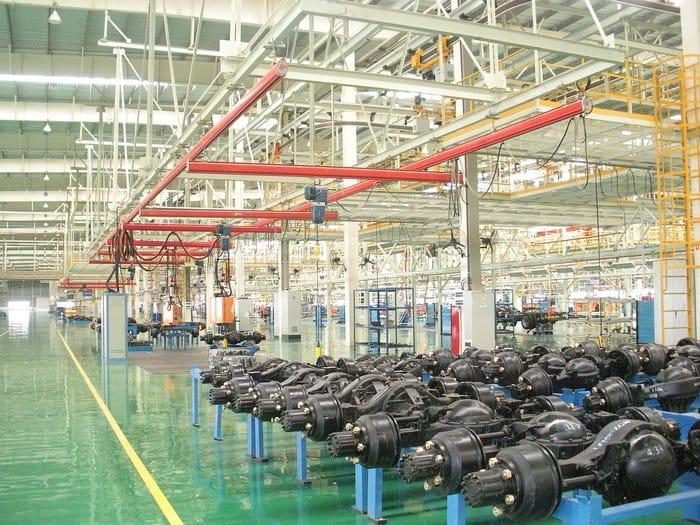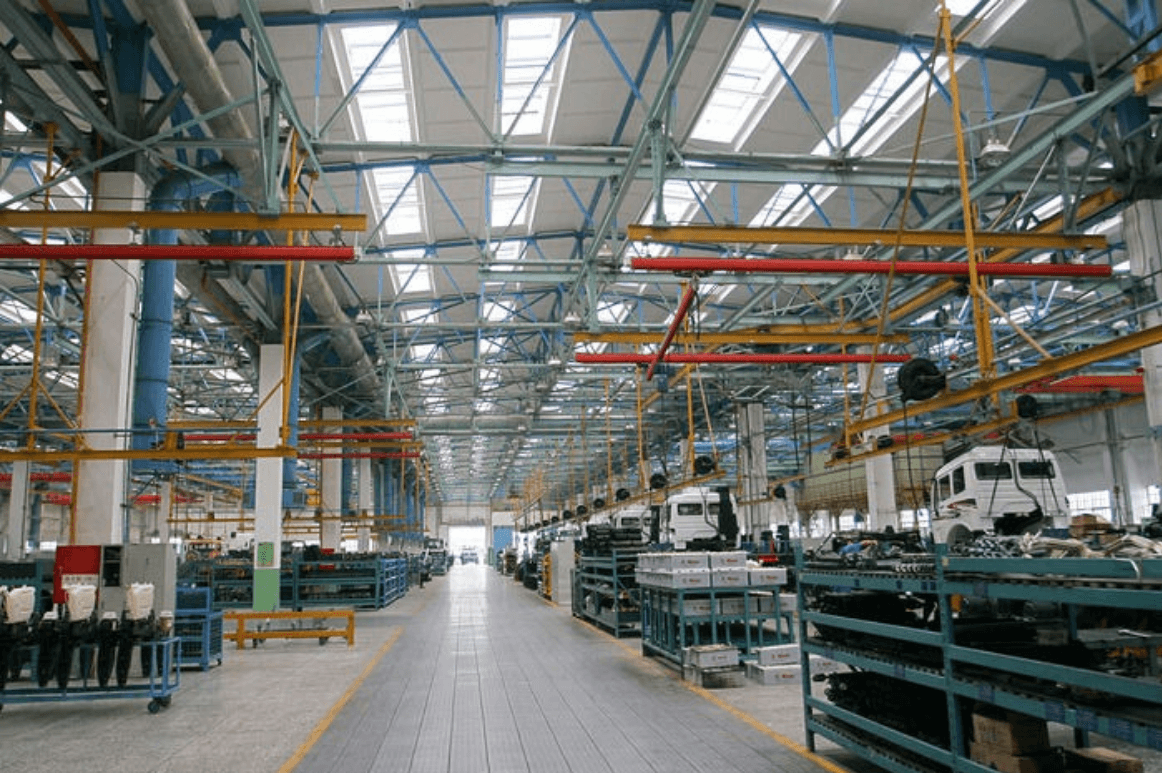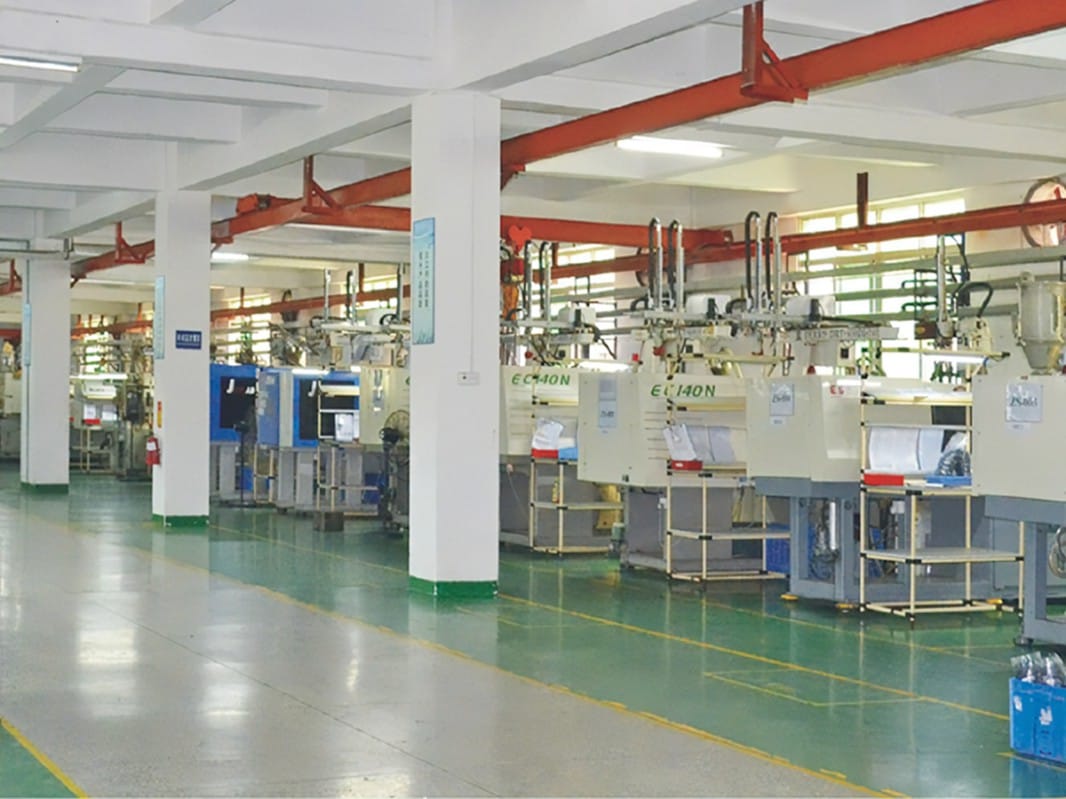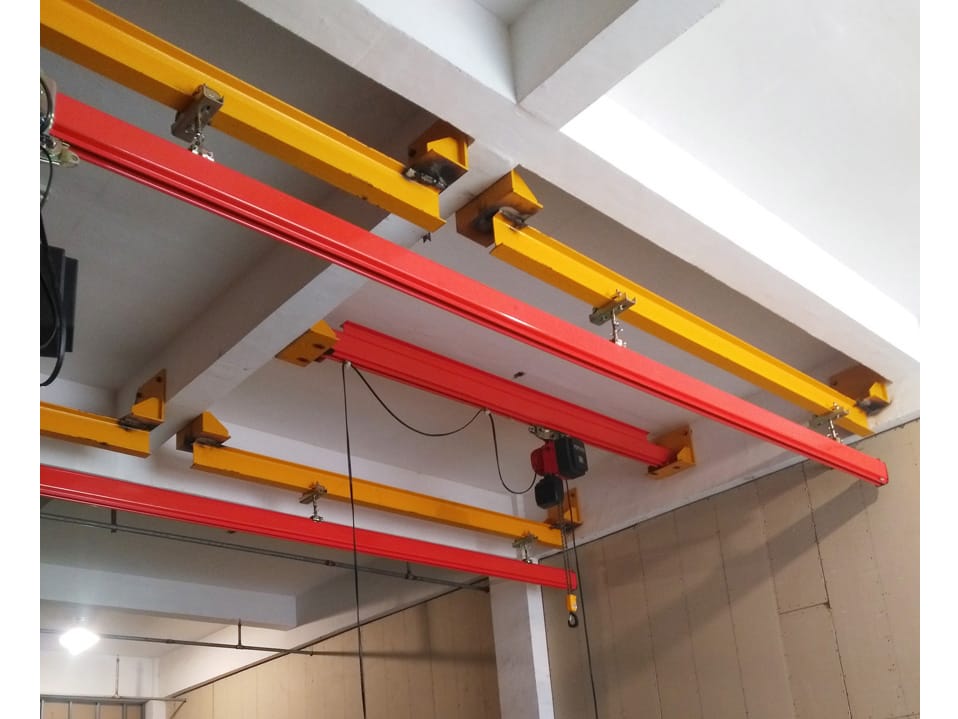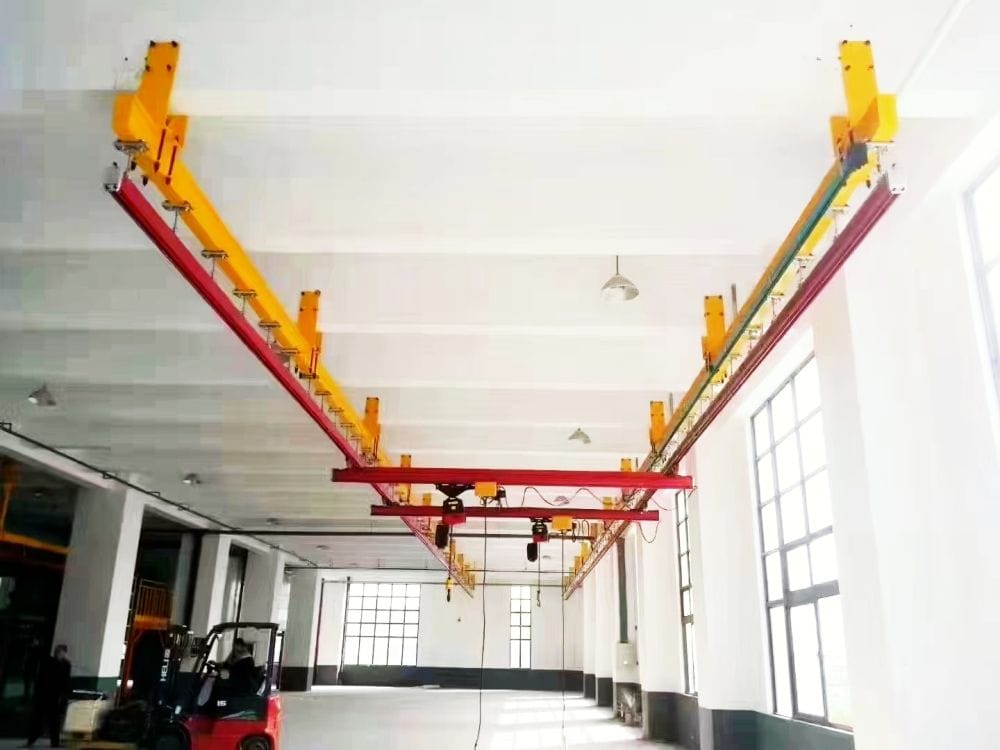
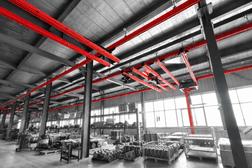
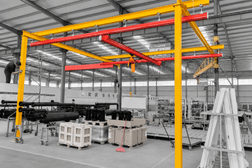
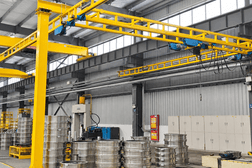
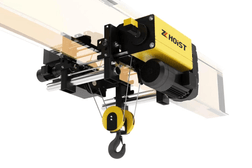
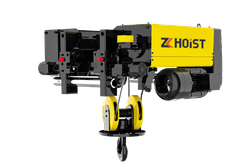
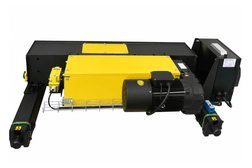
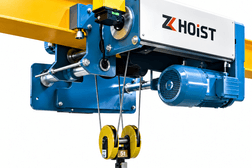
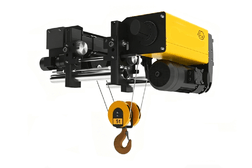
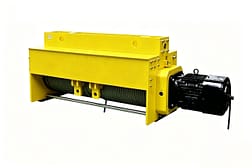
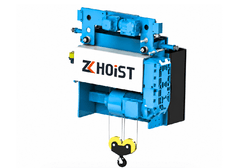
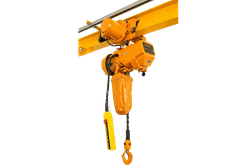
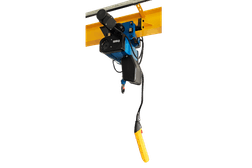
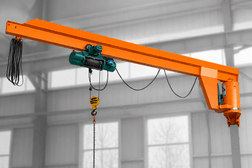
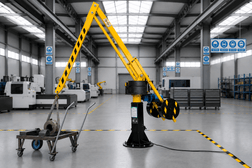
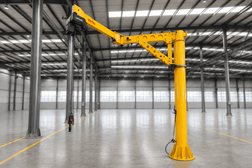
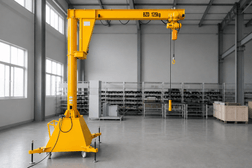
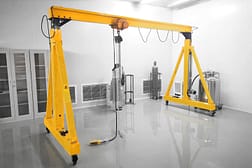
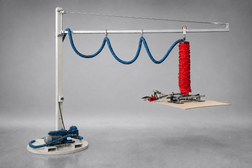
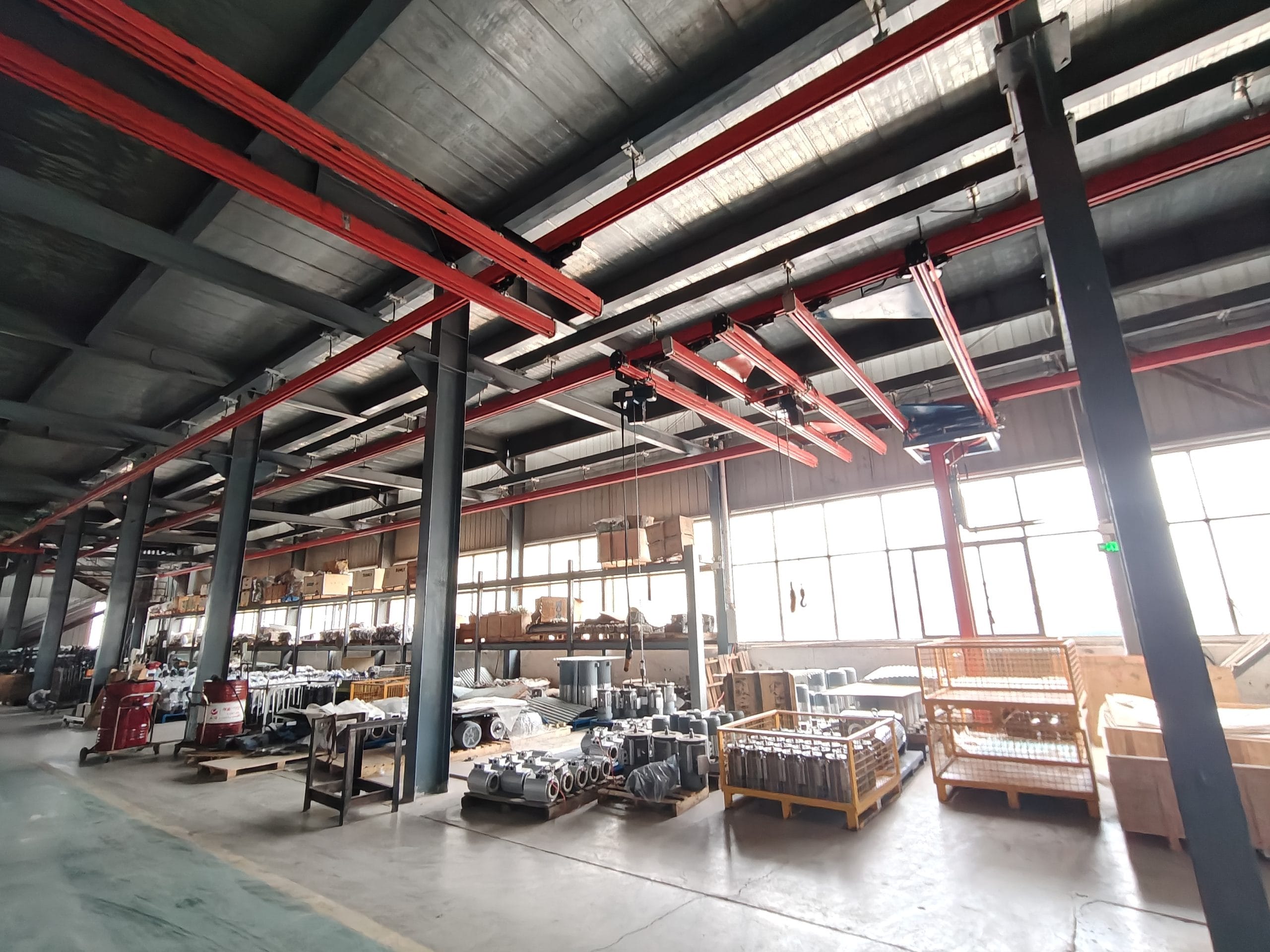
Ceiling mounted workstation bridge crane is a lightweight material-handling system designed for workstations and production lines. Suspended from roof trusses, floor slabs or a dedicated overhead steel structure, it requires no floor-mounted support columns and keeps the areas around machinery, material routes and walkways unobstructed.
Tracks, suspension assemblies, travel trolleys, bridge girders, lifting equipment and power-supply components form a rectangular working area. Flexible connections permit limited articulation for light loads and easy manual operation, while rigid connections reduce sway for higher loads, frequent cycles and more precise positioning. ZKHOIST supplies single-girder, double-girder and telescopic configurations according to capacity, span, building structure and workstation layout.
Ceiling Mounted Workstation Bridge Crane Specifications
| Tham số | Sự miêu tả |
| Rated Capacity | 80 kg-3 t |
| Khoảng | 3-10 m |
| Chiều cao nâng | Determined by building height, installation elevation and equipment clearance |
| Duty Class | A3-A4; frequent or special-duty applications require separate verification |
| Lắp đặt | Suspended from roof trusses, steel beams below slabs or dedicated overhead supports |
| Connection Type | Flexible / rigid connection |
| Bridge Configuration | Single girder / double girder / telescopic bridge |
| Track Material | Cold-rolled carbon-steel track; aluminum track is optional for lightweight or clean applications |
| Travel and Control | Manual or powered travel; pendant or remote control optional |
| Customization | Non-standard spans, runway layouts, suspension arrangements and coverage can be engineered to order |
Advantages of the Ceiling Mounted Workstation Bridge Crane
No Floor Columns: Clear Workstations and Aisles
The crane is suspended from the overhead building structure, with no support columns in the working area. Machinery, carts, forklift aisles and pedestrian routes can be arranged more freely, especially in space-constrained or equipment-dense plants.
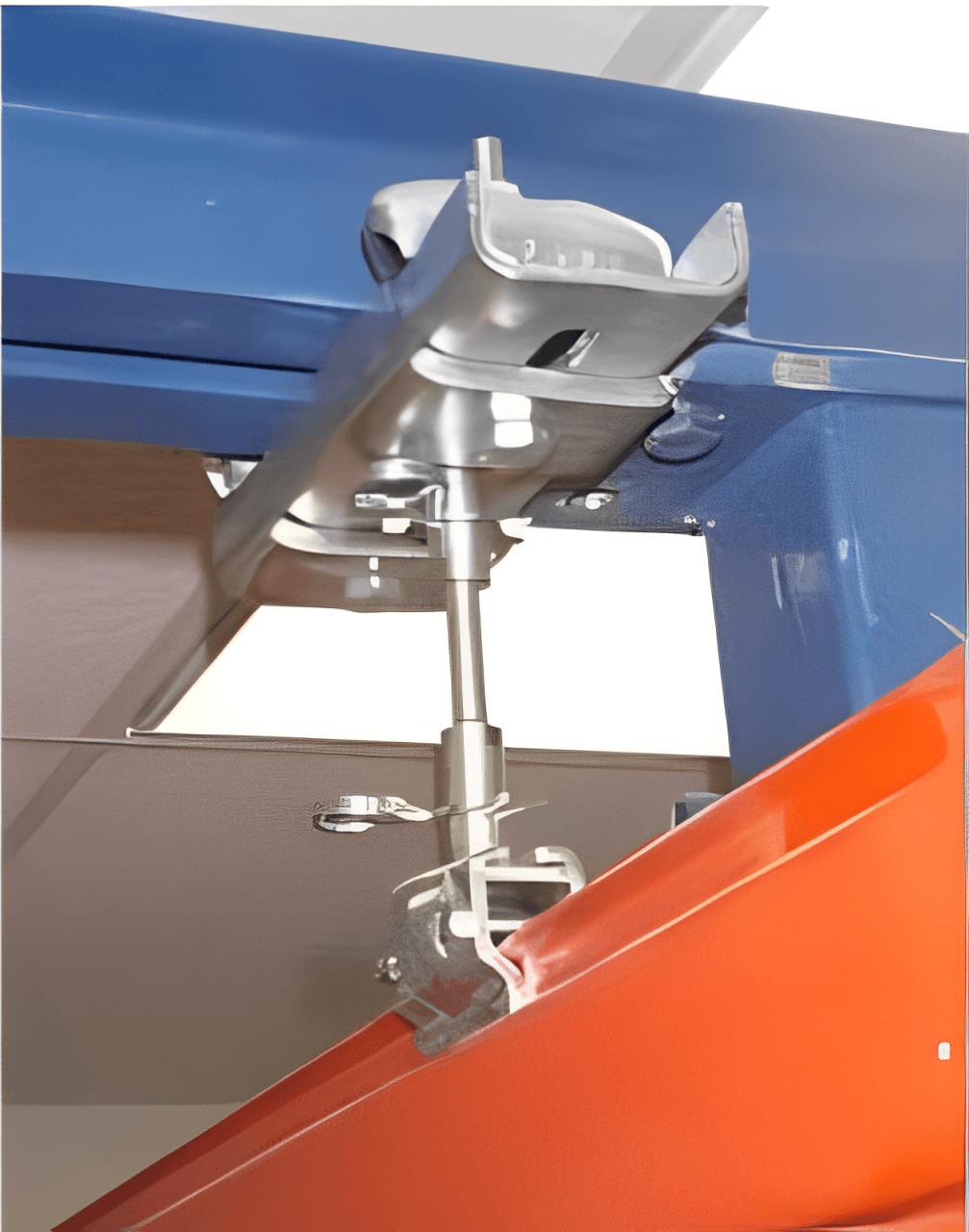
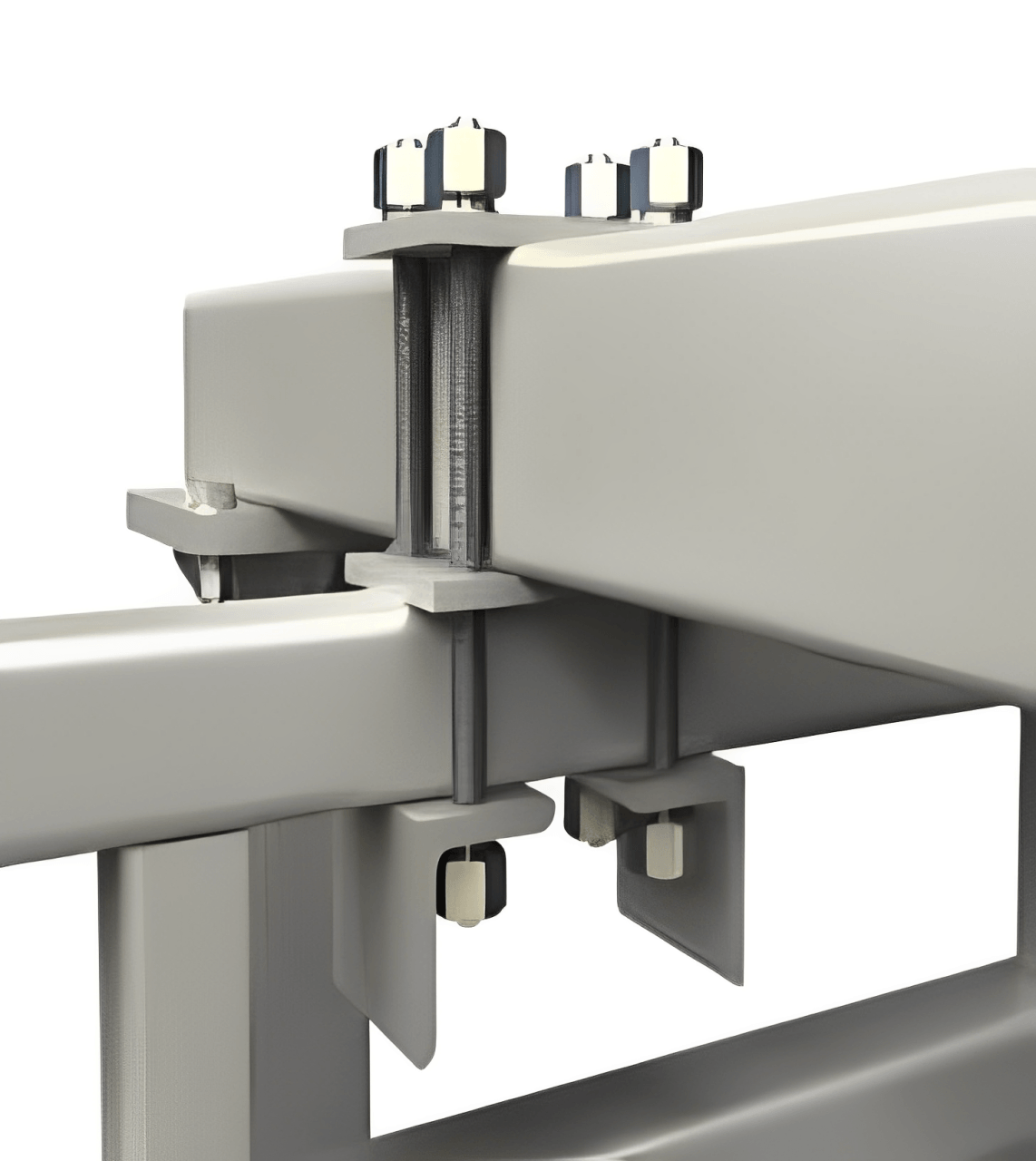
Flexible or Rigid Connections to Suit the Application
Flexible connections allow limited articulation, accommodate minor installation tolerances and reduce binding during travel. Rigid connections minimize sway and improve positioning for heavier loads, frequent cycles or more demanding accuracy requirements.
Lightweight Track for Easier Manual Travel
Cold-formed enclosed tracks and lightweight bridge girders reduce system weight and rolling resistance, supporting frequent starts, short transfers and manual positioning of suspended loads.
Modular Design for Expansion and Reconfiguration
Modular tracks, bridges, trolleys, suspension assemblies and power-supply components make future changes easier. After load verification, the runway can be extended, the coverage area adjusted or additional bridges installed.
Single and Double Girder Options
Single-girder cranes are lighter and simpler for routine workstation handling. Double-girder cranes provide greater installation space and stability for higher capacities, longer spans or specialized lifting devices.
Suitable for Existing Plant Retrofits
Where the overhead building structure has sufficient capacity, the system avoids floor foundations and column installation, reducing disruption to existing production areas. Any roof-truss reinforcement or dedicated support beam must be determined by structural verification.
Cần cẩu treo dầm đơn trạm làm việc
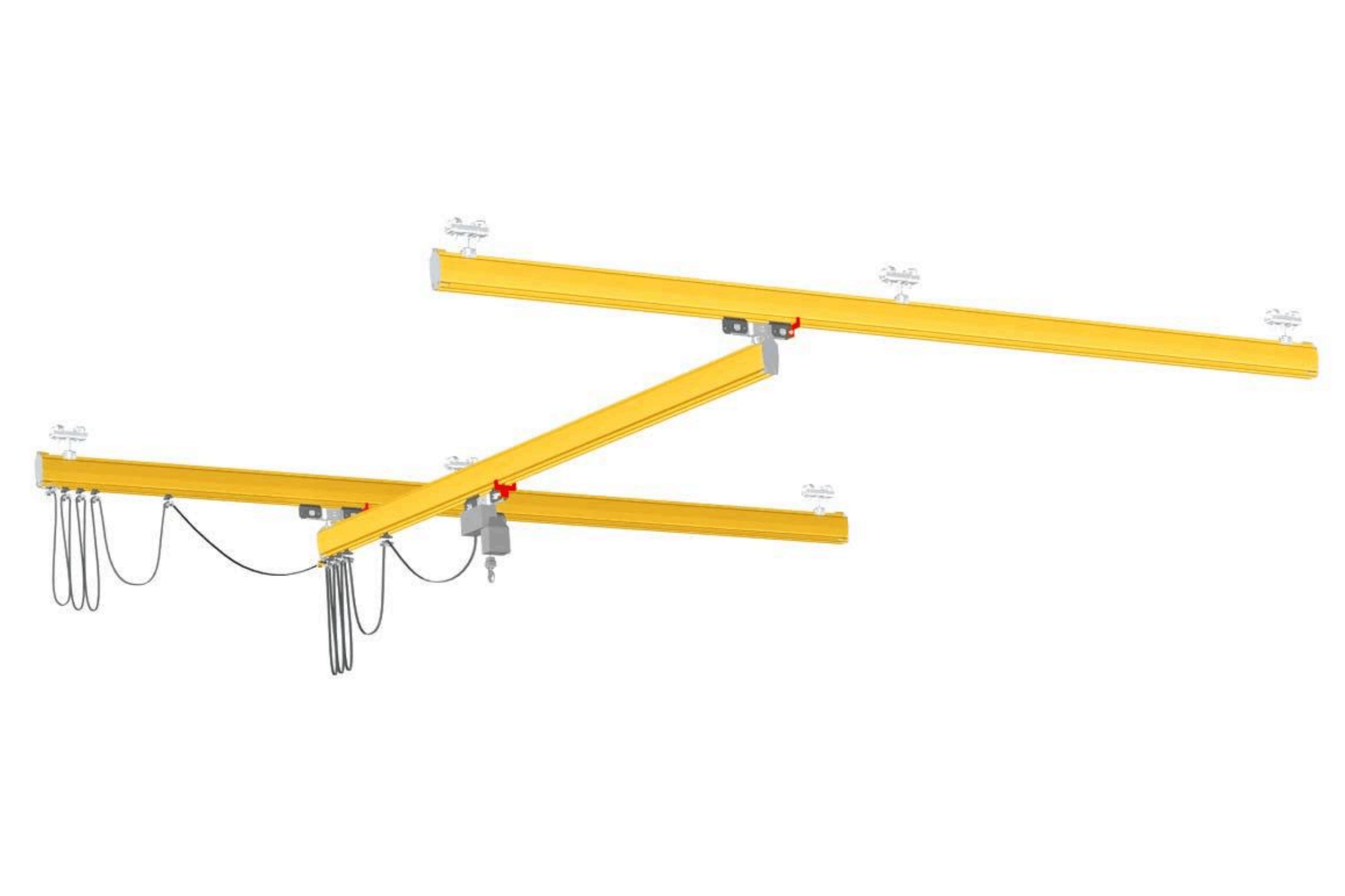
A single-girder system consists of two longitudinal runways and one transverse bridge girder. Its low self-weight and simple structure suit assembly, machine loading, component transfer and maintenance stations. Selection must consider rated load, below-the-hook device weight, span, bridge length and operating frequency.
| Đường sắt | Mục | 80 | 125 | 250 | 500 | 1000 | 2000 | 3200 |
| TÔI | Khoảng | 4.4 | 3.8 | 1.8 | / | / | / | / |
| Chiều dài chùm tia | 5 | 4 | 2 | / | / | / | / | |
| II | Khoảng | / | / | 7.7 | 5.7 | 2.7 | / | / |
| Chiều dài chùm tia | / | / | 8 | 6 | 3 | / | / | |
| III | Khoảng | / | / | 10.5 | 9.2 | 6.6 | 4 | 3.4 |
| Chiều dài chùm tia | / | / | 13 | 11 | 8 | 5 | 4 |
Cần cẩu treo dầm đôi trạm làm việc
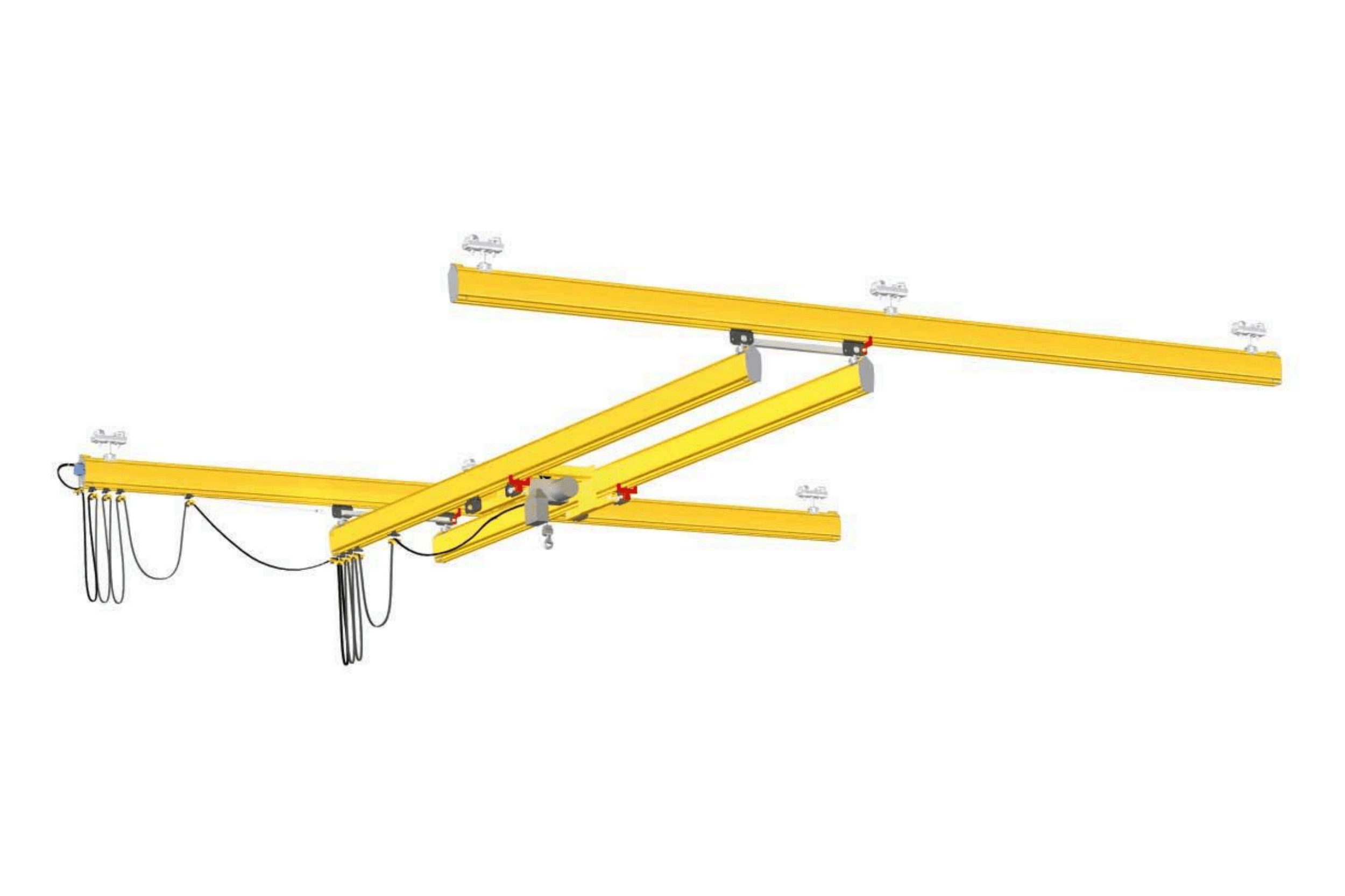
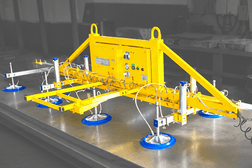
A double girder system uses two parallel bridge girders to support the hoist trolley or a special lifting device. It provides more installation space and improved load distribution for powered trolleys, vacuum lifters, manipulators and eccentric loads, making it suitable for higher capacities, longer spans and applications requiring better load control.
| Đường sắt | Mục | 125 | 250 | 500 | 1000 | 2000 | 3200 |
| TÔI | Khoảng | 5.1 | 4 | 2.8 | / | / | / |
| Chiều dài chùm tia | 7 | 5 | 3 | / | / | / | |
| II | Khoảng | / | 10 | 8.1 | 5.9 | 3.7 | / |
| Chiều dài chùm tia | / | 12 | 10 | 8 | 4 | / | |
| III | Khoảng | / | 10.5 | 10.5 | 9.3 | 6.7 | 5.2 |
| Chiều dài chùm tia | / | 14 | 14 | 12 | 7 | 7 |
Sự khác biệt giữa hệ thống cần cẩu trạm làm việc linh hoạt và cứng nhắc
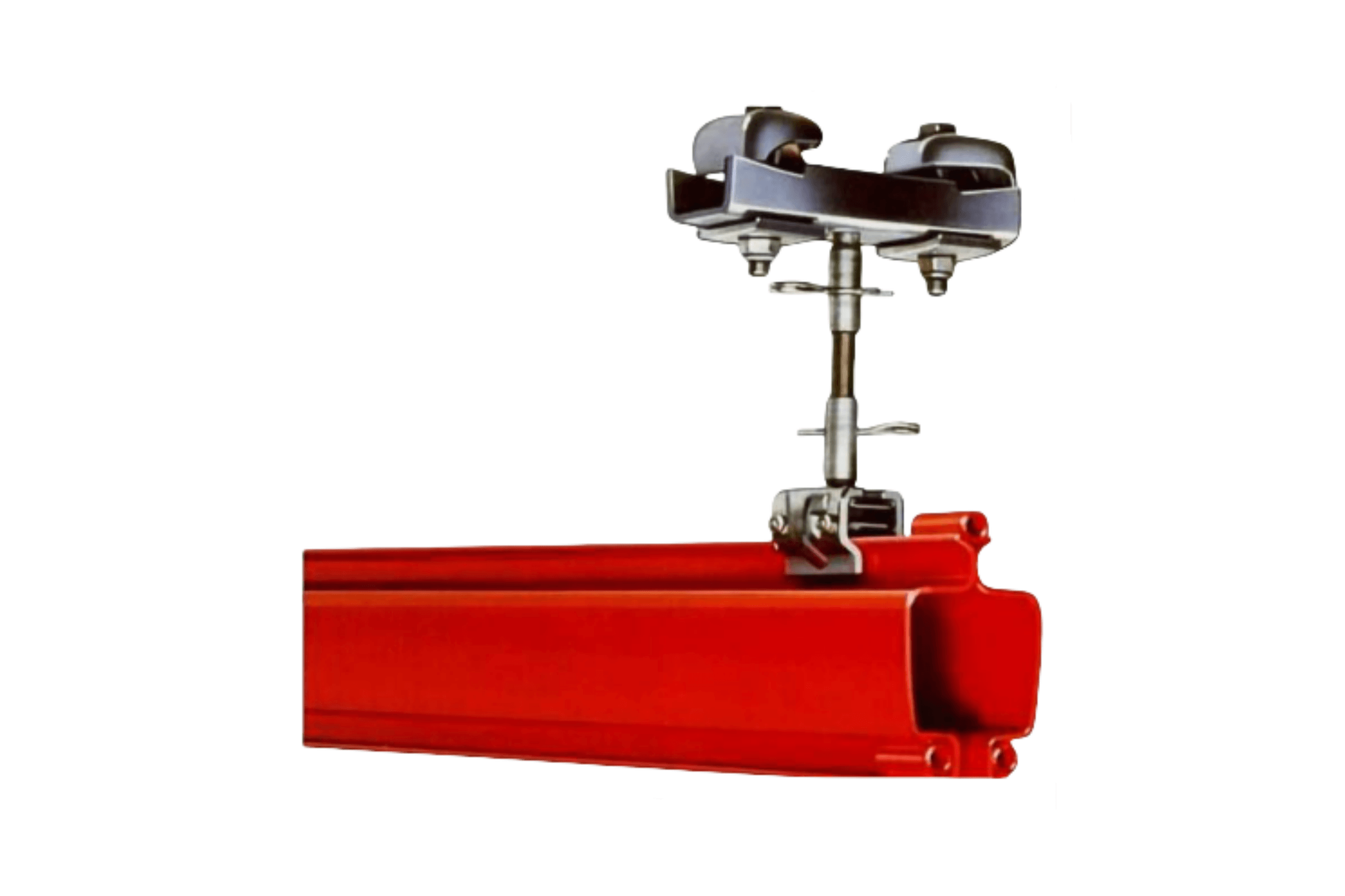
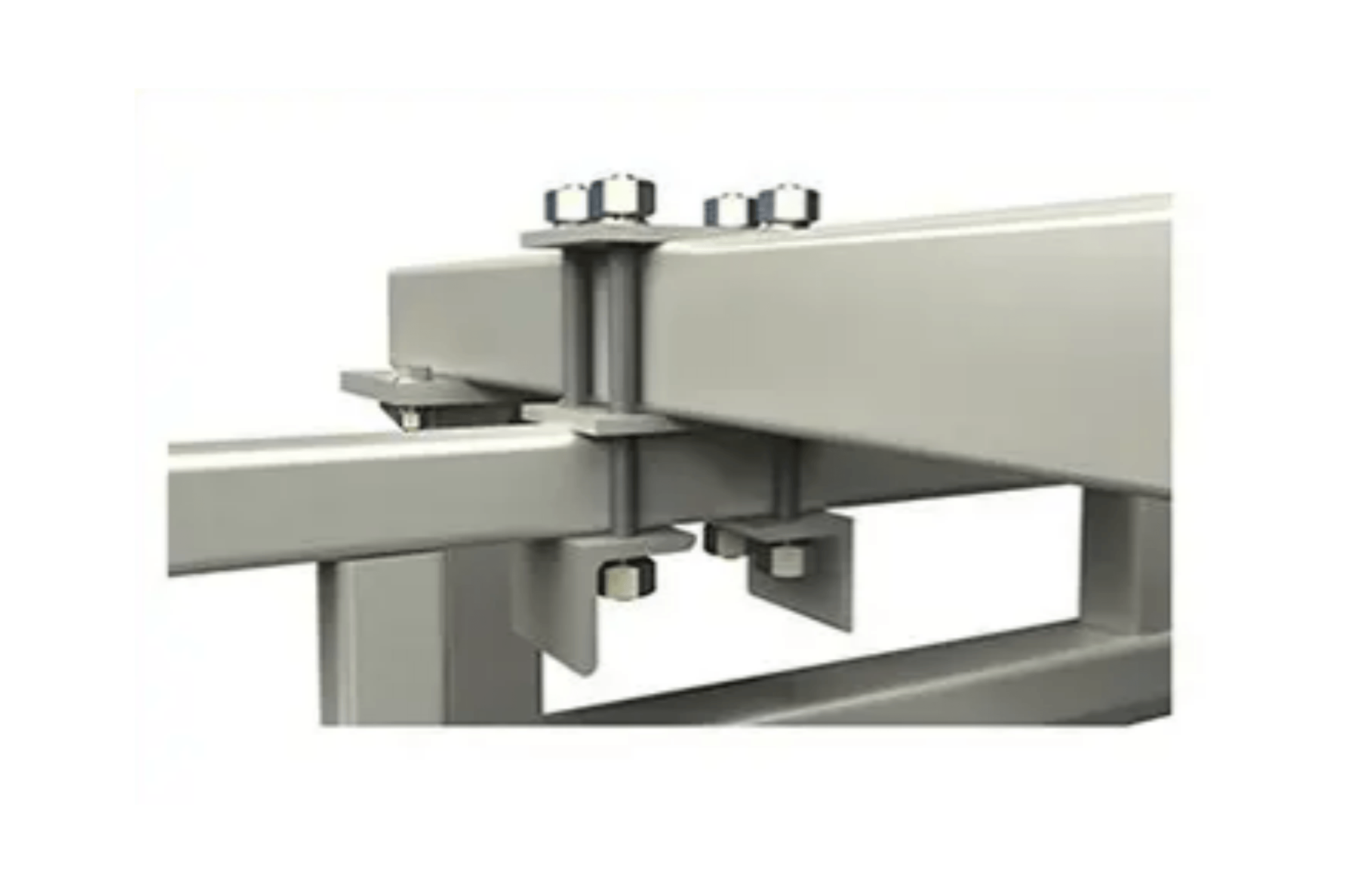
| So sánh | Cần cẩu trạm làm việc linh hoạt | Cần cẩu trạm làm việc cứng |
| Cấu trúc đường ray | Ray thép định hình nguội dạng kín (ray thép hình chữ C) | Dầm chữ I, dầm hộp hoặc các loại ray cứng khác. |
| Phương thức kết nối | Các khớp nối linh hoạt sử dụng khớp vạn năng, khớp cầu và cụm treo, cho phép chuyển động góc. | Các mối nối bu lông cứng chắc với các tấm nối, hầu như không cho phép chuyển động. |
| Khả năng phát âm | Cho phép khả năng xoay chuyển góc hạn chế | Hầu như không có sự phát âm rõ ràng. |
| Tính ổn định hoạt động | Cho phép chuyển động nhẹ nhàng hơn, giúp di chuyển mượt mà hơn. | Độ cứng kết cấu và tính ổn định hoạt động cao hơn |
Product Application Presentation