
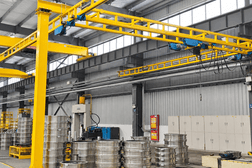
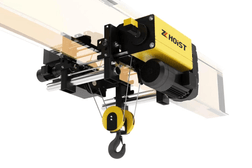
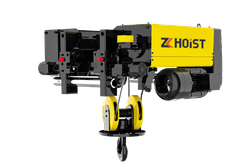
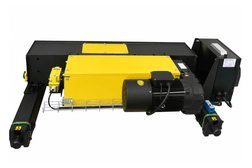
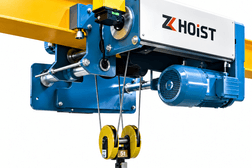
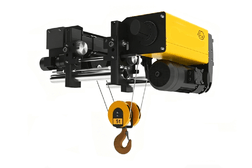
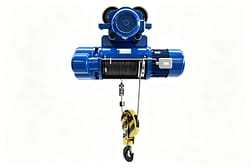
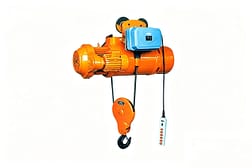
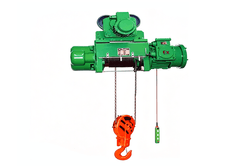
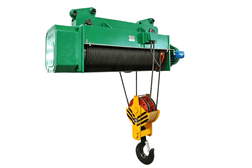
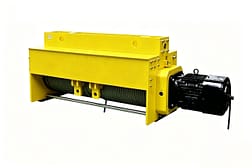
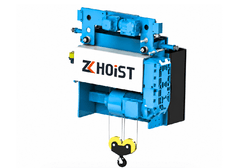
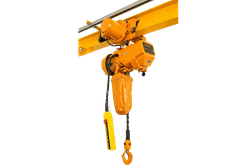
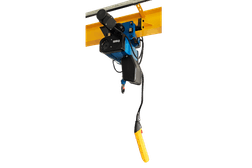
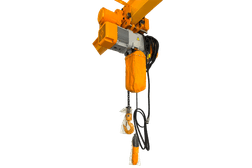
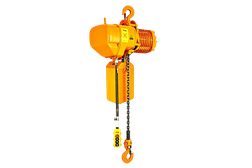
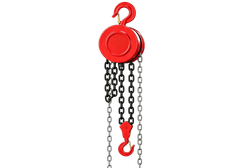
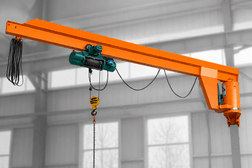
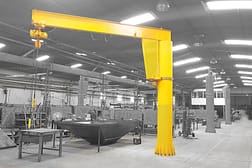
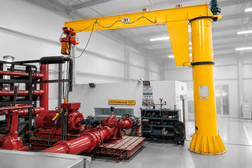
Клиенту в Пуэрто-Рико потребовалась электрическая цепная тали: грузоподъемность 1 тонна, высота подъема 7 м. Общая стоимость: 606 долларов США.
В наличии на местном складе нет. Пришлось заказывать из Китая.
Сначала он изучил стоимость морской перевозки — 225 долларов США за доставку, плюс примерно 350 долларов США за портовые сборы в пункте назначения. Экспедитор сказал: «Стоимость вашего груза менее 2500 долларов США, мы не принимаем такие заказы. И доставка займет 55-65 дней».
Вместо этого он выбрал авиаперевозку: 750 долларов США, доставка за 6 рабочих дней.
Стоило ли оно того? Оборудование починили. Производственная линия не останавливалась. Да, стоило.
Закупка недорогих запасных частей для кранов осуществляется по иной логике, чем закупка комплектных подъемников или оптовых партий. Вот что я узнал за годы работы на экспортном рынке, и практическая схема, которую вы можете использовать.
Почему недорогие запчасти для кранов на самом деле сложнее купить
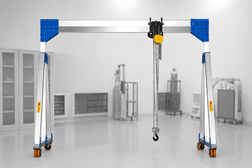
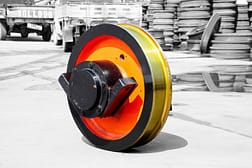
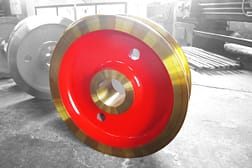
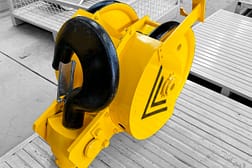
Комплектующие для кранов выглядят просто: цепные подъемники, тросовые тали, колеса кранаДвигатели, изнашиваемые детали. Несколько сотен долларов за штуку.
Однако трансграничные фиксированные издержки не уменьшаются пропорционально стоимости товара. Плата за оформление документов, таможенное оформление, портовые сборы — они применяются независимо от того, стоит ли ваш груз 200 долларов США или 20 000 долларов США.
Результат оказывается парадоксальным: «доставка небольшого двигателя может стоить дороже, чем сам двигатель».
Хуже того, многие экспедиторы отказываются от небольших заказов с низкой стоимостью. Они опасаются, что груз может быть брошен получателем в пункте назначения, штрафов за простой, расходов на утилизацию — слишком много хлопот за слишком малую прибыль.
Три совета по выбору поставщиков — выбирайте в зависимости от ситуации
Основываясь на многолетнем опыте экспорта, можно выделить три основных канала сбыта.
Совет 1: Поиск местных поставщиков
Покупайте напрямую у местного дистрибьютора. Никакой трансграничной доставки, никакого таможенного оформления.
- Более высокая цена за единицу, но нулевые международные логистические и таможенные расходы.
- Отсутствие риска отказа от заказа, отсутствие задержек, максимально быстрая доставка.
- Недостаток: ограниченная доступность моделей — нестандартные подъемники или двигатели могут отсутствовать на складе.
Лучше всего подходит для: Аварийный ремонт при наличии товара на складе.
Минимальный риск, самый простой процесс. Рассматривайте возможность закупки в Китае только в том случае, если местные поставщики недоступны.
Совет 2: Прямые закупки в Китае + авиаперевозки
Заказывайте напрямую у китайского поставщика, доставка осуществляется индивидуально.
- Плюсы: полный модельный ряд, прозрачное ценообразование, широкий выбор.
- Минусы: доллар низкого порядка не может покрыть трансграничные фиксированные издержки.
- Морские грузоперевозки часто отказываются принимать небольшие заказы, а стоимость доставки в пункт назначения может превышать стоимость товара.
Лучше всего подходит для: Срочные потребности, когда товары местного производства отсутствуют.
Стандартное решение: «прямые поставки + авиадоставка до двери». Доставка 6-7 дней. Более высокая стоимость доставки, но полный контроль, отсутствие риска отказа от заказа. Самый безопасный вариант для чрезвычайных ситуаций.
Совет 3: Консолидация через китайского агента
Если вы регулярно закупаете товары в Китае, поручите агенту объединять небольшие заказы с другими грузами.
- Для мелких товаров больше не требуются отдельные логистические и таможенные расходы — все издержки распределяются между всеми грузами.
- Агент занимается проверкой, консолидацией, оформлением заказов и таможенным оформлением.
- Сочетает ценовые преимущества Китая с эффективностью затрат на морские грузоперевозки.
Лучше всего подходит для: Плановое пополнение запасов, ежемесячное или ежеквартальное обновление складских запасов.
Портовые сборы и таможенные пошлины распределяются на весь заполненный контейнер, что полностью решает проблему «затраты на логистику превышают затраты на сам продукт».
Реальный случай: Как мы доставили подъемник USD 606
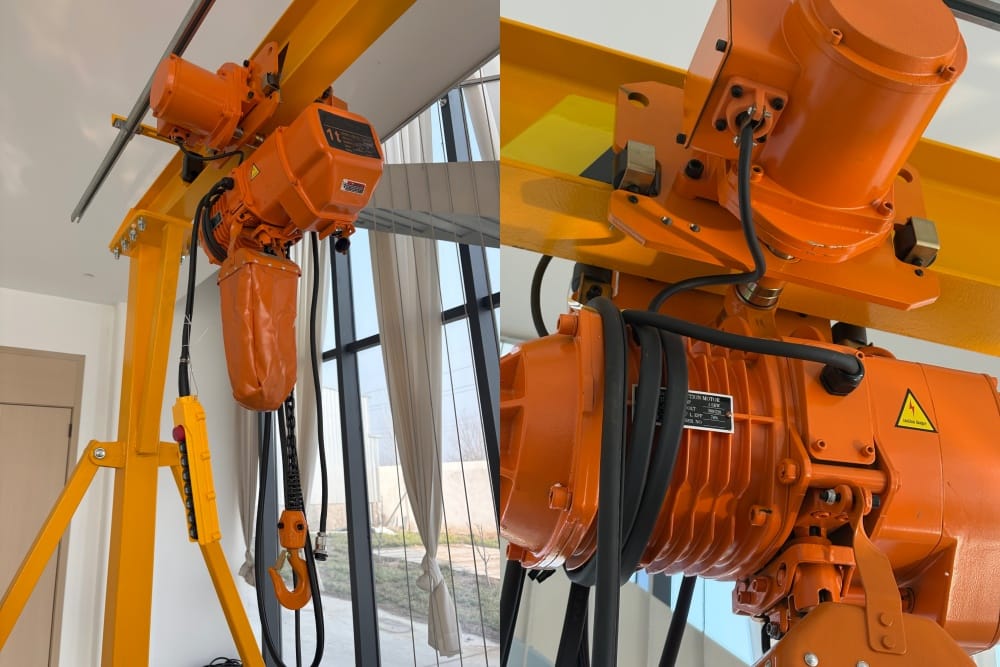
Проект «Пуэрто-Рико»:
- Изделие: электрическая цепная тали грузоподъемностью 1 тонна, высота подъема 7 м.
- Стоимость: 606 долларов США
- Пункт назначения: Пуэрто-Рико
- Предыстория: поломка оборудования, аварийный ремонт, отсутствие товара в наличии на месте.
Сравнение двух вариантов
| Вариант | Расходы | Время в пути | Риск |
| Морские грузоперевозки | $225 стоимость фрахта + $350 стоимость доставки | 55-65 дней | Отказ экспедитора, риск отказа от перевозки и плата за простой. |
| Авиадоставка до двери | $750 | 6-7 дней | Низкий, полностью регулируемый |
Решение: Авиадоставка до двери.
Экстренный ремонт + отсутствие товара на складе → оптимальное решение: прямые поставки из Китая + авиаперевозка.
Дорого? 750 долларов США за доставку. Но оборудование снова заработало через 6 дней. При морской перевозке подъемник прибыл бы на два месяца позже — к тому времени потери производства превысили бы стоимость доставки.
Универсального решения не существует — есть лишь сопоставление сценариев.
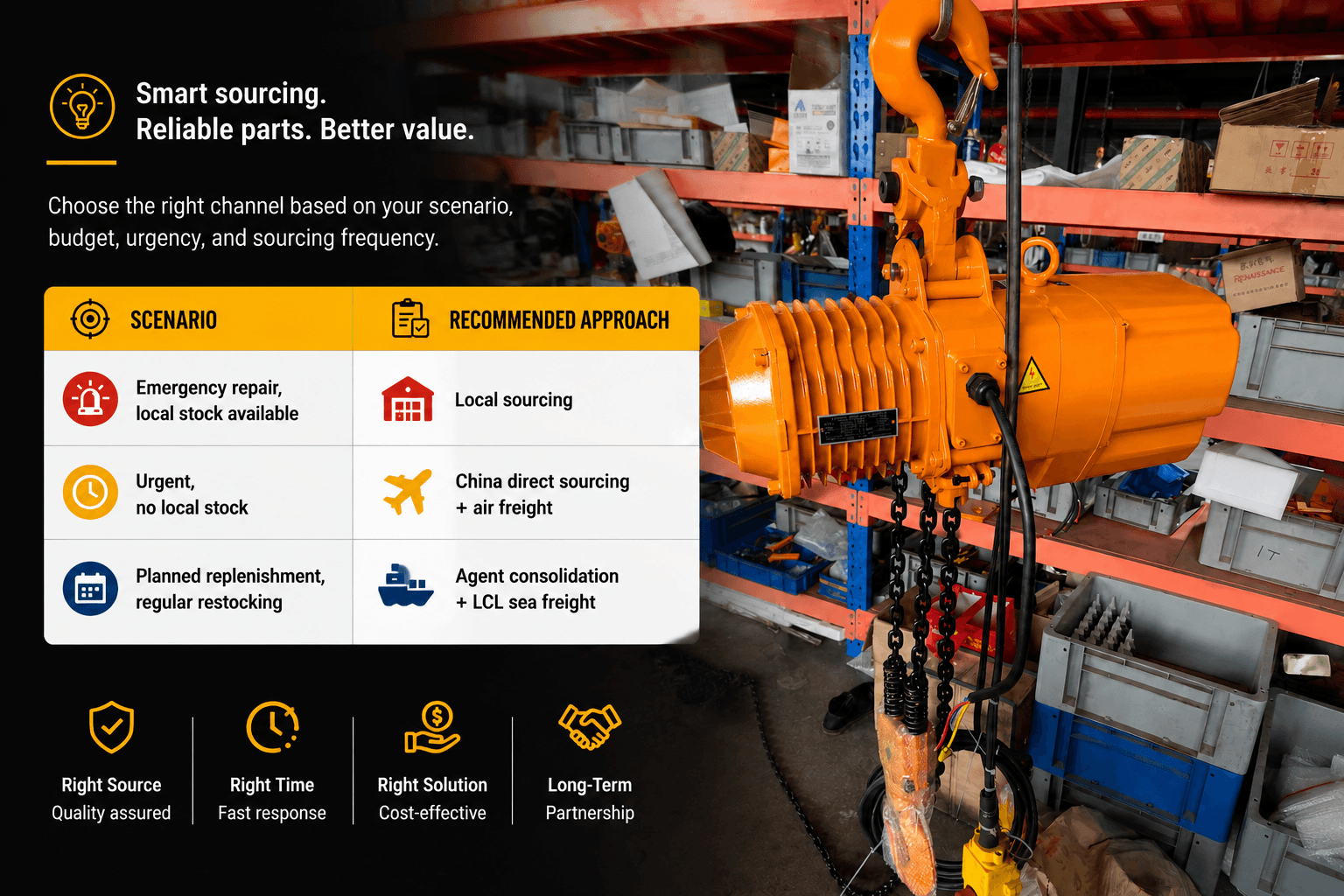
| Сценарий | Рекомендуемый подход |
| Экстренный ремонт, наличие товара на складе в наличии. | Местные поставщики |
| Срочно, нет в наличии на складе. | Прямые поставки из Китая + авиаперевозки |
| Плановое пополнение запасов, регулярное обновление складских запасов. | Консолидация агентских перевозок + морские перевозки сборных грузов |
Сопоставьте частоту закупок, требования к срокам выполнения и имеющиеся ресурсы с этой структурой, и вы получите четкий ответ.
Какой самый неприятный опыт доставки мелких деталей для кранов у вас был? Вы когда-нибудь платили за логистику больше, чем за сам товар? Оставьте комментарий ниже.
Я занимаюсь экспортом крановых запчастей уже 5 лет, специализируясь на цепных и канатных тали, колесах, двигателях и других комплектующих для небольших кранов. Если вам нужна помощь в поиске поставщиков или подтверждении технических характеристик, обращайтесь.
