
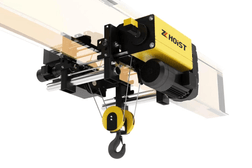
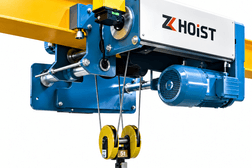
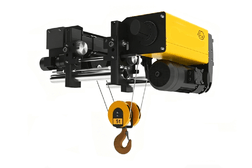
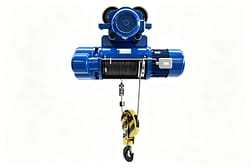
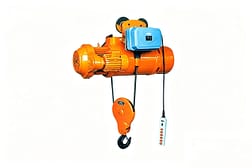
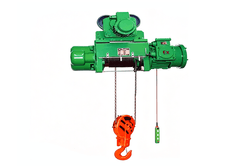
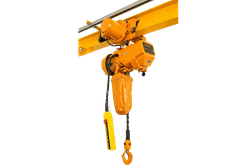
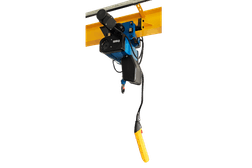
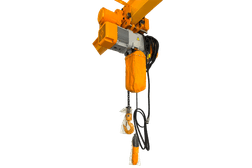
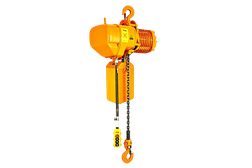
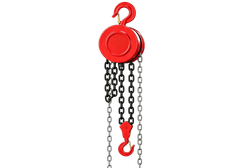
یک مشتری در پورتوریکو به یک بالابر زنجیری برقی نیاز داشت: ظرفیت بالابری ۱ تن، ارتفاع بالابری ۷ متر. ارزش کل: ۶۰۶ دلار آمریکا.
موجودی محلی موجود نیست. مجبور شدم از چین تهیه کنم.
او ابتدا هزینه حمل و نقل دریایی را بررسی کرد - ۲۲۵ دلار برای حمل و نقل، به علاوه حدود ۳۵۰ دلار هزینه بندر مقصد. متصدی حمل و نقل گفت: ارزش بار شما کمتر از ۲۵۰۰ دلار است، ما سفارشهایی از این دست نمیپذیریم. و تحویل ۵۵ تا ۶۵ روز طول میکشد.
او به جای آن با حمل و نقل هوایی رفت: ۷۵۰ دلار آمریکا، تحویل در ۶ روز کاری.
ارزشش را داشت؟ تجهیزات تعمیر شدند. خط تولید متوقف نشد. بله، ارزشش را داشت.
قطعات یدکی جرثقیل ارزان قیمت، منطق خرید متفاوتی نسبت به بالابرهای کامل یا سفارشات عمده دارند. در اینجا چیزی که من از سالها تجربه صادرات آموختهام و یک چارچوب عملی که میتوانید از آن استفاده کنید، آورده شده است.
چرا خرید قطعات یدکی جرثقیل ارزان قیمت در واقع سخت تر است؟
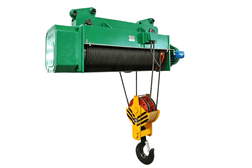
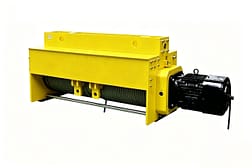
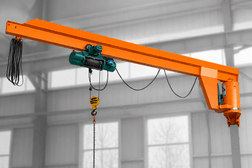
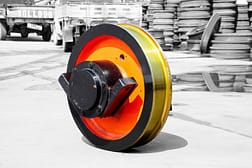
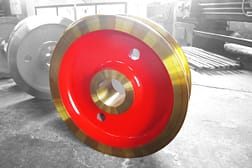
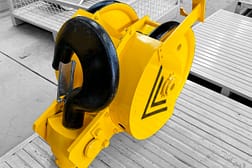
لوازم جانبی جرثقیل ساده به نظر میرسند: بالابرهای زنجیری, بالابرهای سیم بکسلی, چرخهای جرثقیل، موتورها، قطعات مستهلک. هر کدام چند صد دلار.
اما هزینههای ثابت فرامرزی با ارزش محصول کاهش نمییابند. هزینههای اسناد، ترخیص گمرکی، هزینههای جابجایی در بندر - این هزینهها چه ارزش محموله شما ۲۰۰ دلار آمریکا باشد و چه ۲۰،۰۰۰ دلار آمریکا، اعمال میشوند.
نتیجه خلاف انتظار است: «هزینه ارسال یک موتور کوچک میتواند از خود موتور بیشتر باشد.»
بدتر از آن، بسیاری از شرکتهای حمل و نقل به سفارشهای کوچک و کمهزینه دست نمیزنند. آنها نگران رها شدن محموله توسط گیرنده در مقصد، هزینههای معطلی، هزینههای دفع زباله هستند - دردسرهای زیاد برای سود کم.
سه نکته در مورد منبعیابی - انتخاب بر اساس سناریو
بر اساس سالها تجربه صادرات، در اینجا سه کانال اصلی را معرفی میکنیم.
نکته ۱: منبعیابی محلی
مستقیماً از توزیعکننده محلی خرید کنید. بدون ارسال مرزی، بدون ترخیص گمرکی.
- قیمت واحد بالاتر، اما بدون هزینههای لجستیک و ترخیص بینالمللی
- بدون ریسک رها شدن، بدون تاخیر، سریعترین تحویل
- معایب: موجودی محدود مدل - ممکن است بالابرها یا موتورهای غیر استاندارد موجود نباشند
بهترین برای: تعمیرات اضطراری، زمانی که موجودی انبار محلی موجود باشد.
کمترین ریسک، سادهترین فرآیند. فقط زمانی که عرضه محلی در دسترس نیست، تامین از چین را در نظر بگیرید.
نکته ۲: منبعیابی مستقیم از چین + حمل و نقل هوایی
مستقیماً از یک تأمینکننده چینی تهیه کنید و بهصورت جداگانه ارسال کنید.
- مزایا: طیف کاملی از مدلها، قیمتگذاری شفاف، انتخاب گسترده
- معایب: دلار با سفارش کم نمیتواند هزینههای ثابت فرامرزی را جذب کند.
- حمل و نقل دریایی اغلب سفارشهای کوچک را رد میکند و هزینههای حمل و نقل ممکن است از ارزش محصول فراتر رود.
بهترین برای: نیازهای فوری در صورت عدم موجودی انبار محلی.
راه حل استاندارد: «تامین مستقیم + حمل هوایی تا درب منزل». تحویل ۶-۷ روزه. هزینه حمل و نقل بالاتر، اما کنترل کامل، بدون خطر رها شدن. امنترین انتخاب برای سناریوهای اضطراری.
نکته ۳: ادغام از طریق یک نماینده چینی
اگر مرتباً از چین خرید میکنید، از یک نماینده بخواهید سفارشهای کوچک را با سایر محمولهها ادغام کند.
- اقلام کوچک دیگر هزینههای لجستیک و گمرکی جداگانهای ندارند - هزینهها در کل محموله تقسیم میشوند
- نماینده، بازرسی، تجمیع، رزرو و ترخیص کالا از گمرک را انجام میدهد
- مزیت قیمتگذاری چین را با بهرهوری هزینه حمل و نقل دریایی ترکیب میکند
بهترین برای: پر کردن مجدد موجودی برنامهریزیشده، شارژ مجدد ماهانه یا فصلی.
هزینههای بندری و ترخیص کالا بین کانتینرهای پر تقسیم میشود و مشکل «هزینههای لجستیکی بیشتر از محصول است» را کاملاً حل میکند.
مورد واقعی: چگونه یک بالابر ۶۰۶ دلاری را ارسال کردیم
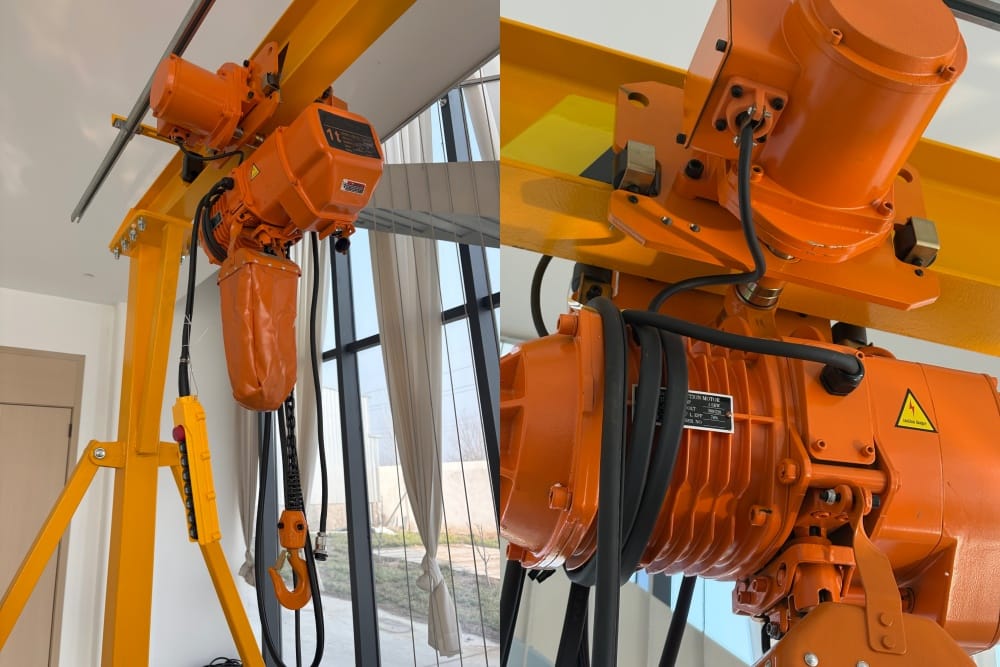
پروژه پورتوریکو:
- محصول: بالابر زنجیری برقی ۱ تنی، ارتفاع بالابری ۷ متر
- ارزش: ۶۰۶ دلار آمریکا
- مقصد: پورتوریکو
- پیشینه: خرابی تجهیزات، تعمیر اضطراری، نبود موجودی انبار محلی
دو گزینه در مقایسه
| گزینه | هزینه | زمان ترانزیت | ریسک |
| حمل و نقل دریایی | $225 هزینه حمل و نقل + $350 هزینه حمل و نقل تا مقصد | ۵۵-۶۵ روز | عدم پذیرش توسط فورواردر، ریسک رها کردن کالا و هزینههای معطلی |
| حمل و نقل هوایی تا درب منزل | $750 | ۶-۷ روز | کم، کاملاً قابل کنترل |
تصمیم: حمل و نقل هوایی تا درب منزل
تعمیر اضطراری + عدم موجودی محلی → راهکار منطبق: تامین مستقیم از چین + حمل و نقل هوایی.
گران؟ ۷۵۰ دلار برای حمل و نقل. اما تجهیزات ظرف ۶ روز دوباره به کار افتادند. با حمل و نقل دریایی، بالابر دو ماه بعد میرسید - تا آن زمان، ضرر تولید از هزینه حمل و نقل بیشتر میشد.
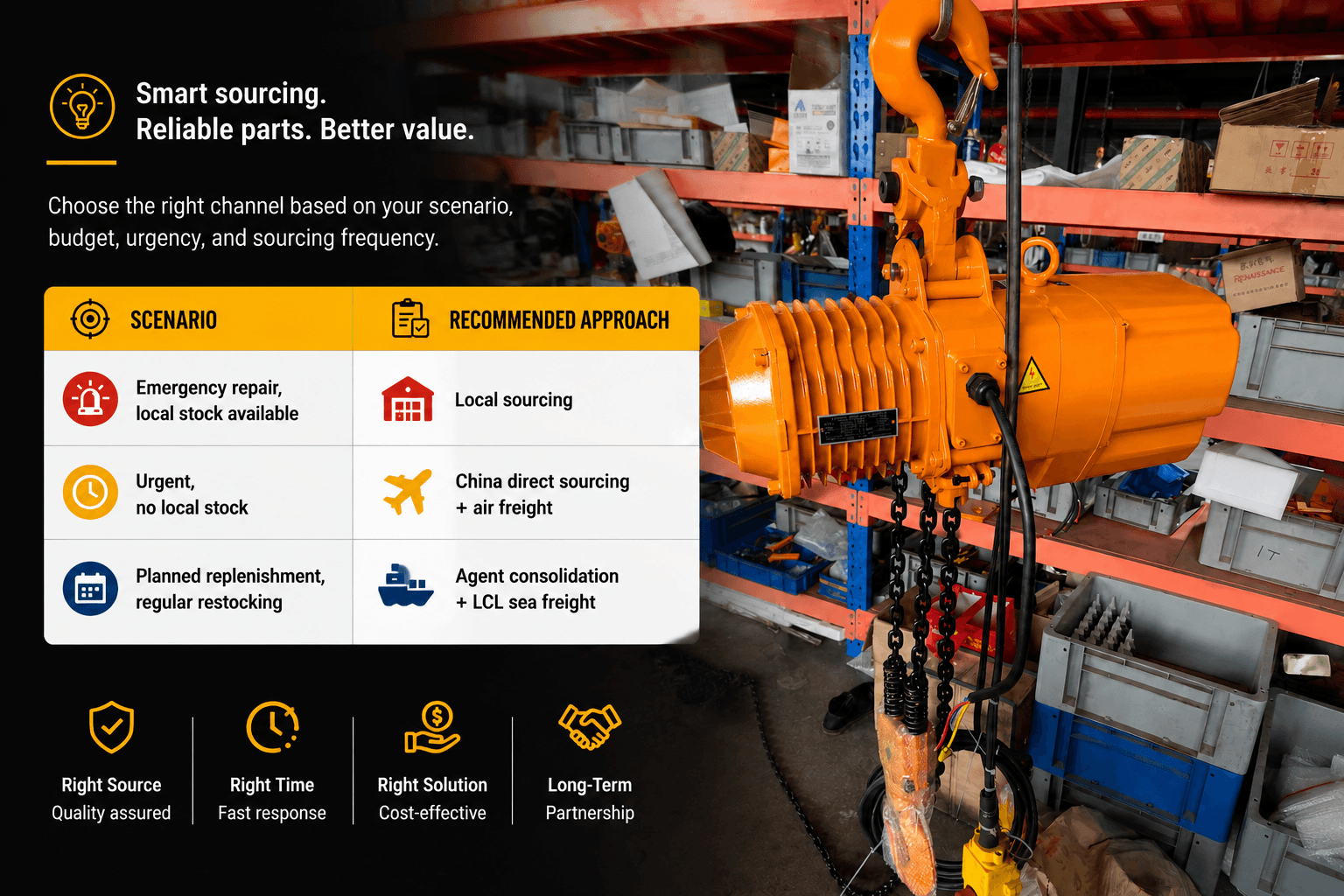
هیچ نسخه یکسانی برای همه وجود ندارد - فقط تطبیق سناریوها
| سناریو | رویکرد پیشنهادی |
| تعمیر اضطراری، موجودی محلی موجود است | منبعیابی محلی |
| فوری، موجودی محلی ندارد | تامین مستقیم چین + حمل و نقل هوایی |
| تجدید برنامهریزیشده، انبارگردانی منظم | ادغام نمایندگی + حمل و نقل دریایی LCL |
فراوانی منبعیابی، الزامات زمان تحویل و منابع موجود خود را با این چارچوب مطابقت دهید، و به پاسخ روشنی خواهید رسید.
ناامیدکنندهترین تجربه حمل و نقل شما با قطعات کوچک جرثقیل چه بوده است؟ آیا تا به حال برای تدارکات بیشتر از خود محصول هزینه کردهاید؟ نظر خود را در زیر بنویسید.
من ۵ سال است که در زمینه صادرات قطعات جرثقیل فعالیت دارم و در زمینه بالابرهای زنجیری، بالابرهای سیم بکسلی، چرخ، موتور و سایر لوازم جانبی کوچک جرثقیل تخصص دارم. اگر نیاز به تامین قطعات دارید یا برای تایید مشخصات به کمک نیاز دارید، با ما تماس بگیرید.
