
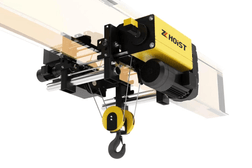
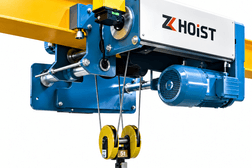
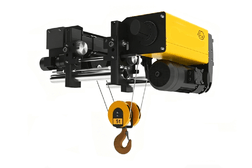
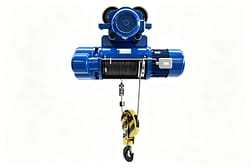
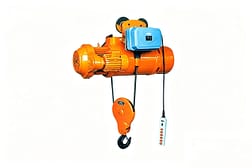
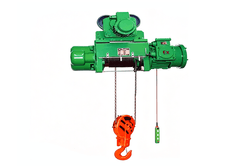
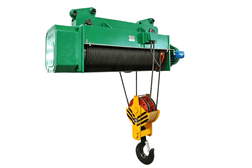
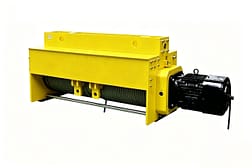
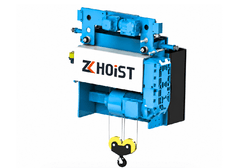
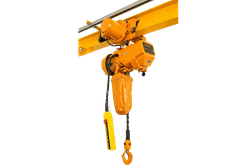
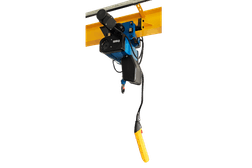
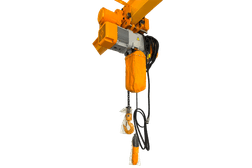
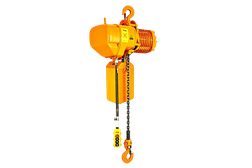
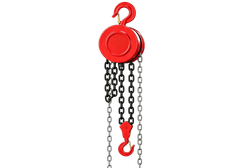
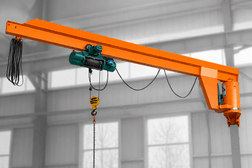
En kunde i Puerto Rico havde brug for en elektrisk kæpladetalje: løftekapacitet 1 ton, løftehøjde 7 m. Samlet værdi: USD 606.
Ingen lokale varer tilgængelige. Måtte købe fra Kina.
Han undersøgte først søfragt — 225 USD for forsendelse, plus anslåede 350 USD i destinationshavneafgifter. Speditøren sagde: din lastværdi er under 2.500 USD, vi tager ikke imod den slags ordrer. Og leveringen ville tage 55-65 dage.
Han valgte i stedet luftfragt: 750 USD, leveret på 6 hverdage.
Var det det værd? Udstyret blev repareret. Produktionslinjen stoppede ikke. Ja, det var det værd.
Lavpris kranreservedele følger en anden indkøbslogik end komplette taljer eller bulkbestillinger. Her er, hvad jeg har lært af mange års eksporterfaring, og et praktisk rammeværk, du kan bruge.
Hvorfor billige kranreservedele faktisk er sværere at købe
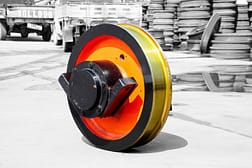
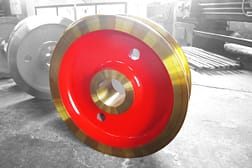
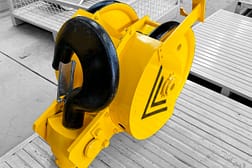
Krantilbehør ser enkelt ud: kædetaljer, wirehejs, kranhjul, motorer, sliddele. Et par hundrede dollars stykket.
Men grænseoverskridende faste omkostninger falder ikke med produktets værdi. Dokumentationsgebyrer, toldbehandling, havnehåndteringsgebyrer – de gælder, uanset om din last er 200 USD eller 20.000 USD værd.
Resultatet er kontraintuitivt: "forsendelse af en lille motor kan koste mere end selve motoren."
Værre endnu, mange speditører vil ikke røre ved små ordrer til lave priser. De bekymrer sig om, at modtageren skal efterlades på destinationen, gebyrer for demurrage, bortskaffelsesomkostninger – for meget hovedpine for for lidt profit.
Tre sourcingtips — Vælg efter scenarie
Baseret på mange års eksporterfaring er her de tre hovedkanaler.
Tips 1: Lokal sourcing
Køb direkte fra en lokal distributør. Ingen grænseoverskridende forsendelse, ingen toldbehandling.
- Højere enhedspris, men ingen internationale logistik- og toldomkostninger
- Ingen risiko for afbrydelse, ingen forsinkelser, hurtigste levering
- Ulempe: begrænset modeltilgængelighed — ikke-standard taljer eller motorer er muligvis ikke på lager.
Bedst til: nødreparationer, når der er lokale varer på lager.
Laveste risiko, enkleste proces. Overvej kun sourcing fra Kina, når lokale forsyninger ikke er tilgængelige.
Tips 2: Direkte sourcing fra Kina + luftfragt
Køb direkte fra en kinesisk leverandør og send individuelt.
- Fordele: komplet modeludvalg, gennemsigtige priser, bredt udvalg
- Ulemper: Lavprisdollar kan ikke absorbere grænseoverskridende faste omkostninger
- Søfragt afviser ofte små ordrer, og destinationsgebyrer kan overstige produktets værdi.
Bedst til: presserende behov, når lokale varer ikke er tilgængelige.
Standardløsning: "direkte sourcing + luftfragt til døren." Levering på 6-7 dage. Højere fragtomkostninger, men fuld kontrol, ingen risiko for at forlade varen. Det sikreste valg i nødsituationer.
Tips 3: Konsolidering via en kinesisk agent
Hvis du regelmæssigt køber fra Kina, så få en agent til at konsolidere små ordrer med anden fragt.
- Små varer har ikke længere separate logistik- og toldomkostninger – udgifterne deles på tværs af hele forsendelsen
- Agent håndterer inspektion, konsolidering, booking og toldklarering
- Kombinerer Kinas prisfordel med omkostningseffektivitet inden for søfragt
Bedst til: planlagt lageropfyldning, månedlig eller kvartalsvis genopfyldning.
Havneafgifter og toldklareringsgebyrer fordeles over en fuld container, hvilket fuldstændigt løser problemet med, at "logistikomkostninger er højere end produktet".
Virkelig case: Sådan sendte vi en USD 606-talje
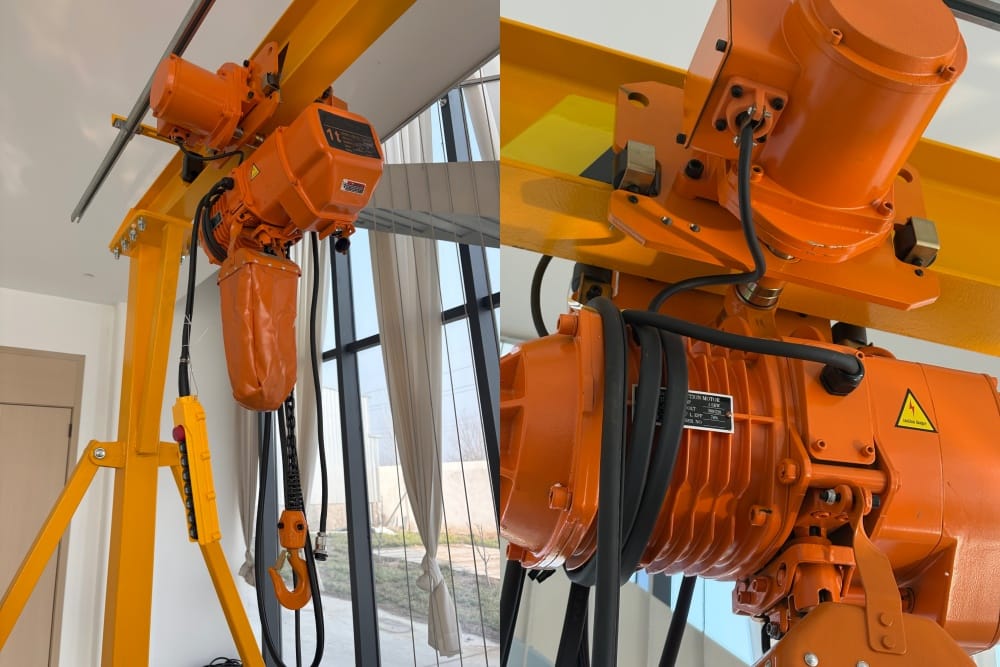
Puerto Rico-projektet:
- Produkt: 1 ton elektrisk kædetalje, 7 m løftehøjde
- Værdi: 606 USD
- Destination: Puerto Rico
- Baggrund: udstyrsnedbrud, nødreparation, intet lokalt lager
To muligheder sammenlignet
| Valgmulighed | Koste | Transittid | Risiko |
| Søfragt | $225 fragt + $350 destinationsgebyrer | 55-65 dage | Afvisning af speditør, risiko for opgivelse og gebyrer for demurrage |
| Luftfragt til døren | $750 | 6-7 dage | Lav, fuldt kontrollerbar |
Beslutning: Luftfragt til døren
Nødreparation + intet lokalt lager → matchende løsning: direkte sourcing fra Kina + luftfragt.
Dyrt? 750 USD i fragt. Men udstyret kørte igen på 6 dage. Med søfragt ville taljen være ankommet to måneder senere – på det tidspunkt ville produktionstabet have overskygget fragtomkostningerne.
Ingen universel løsning – kun scenariematchning
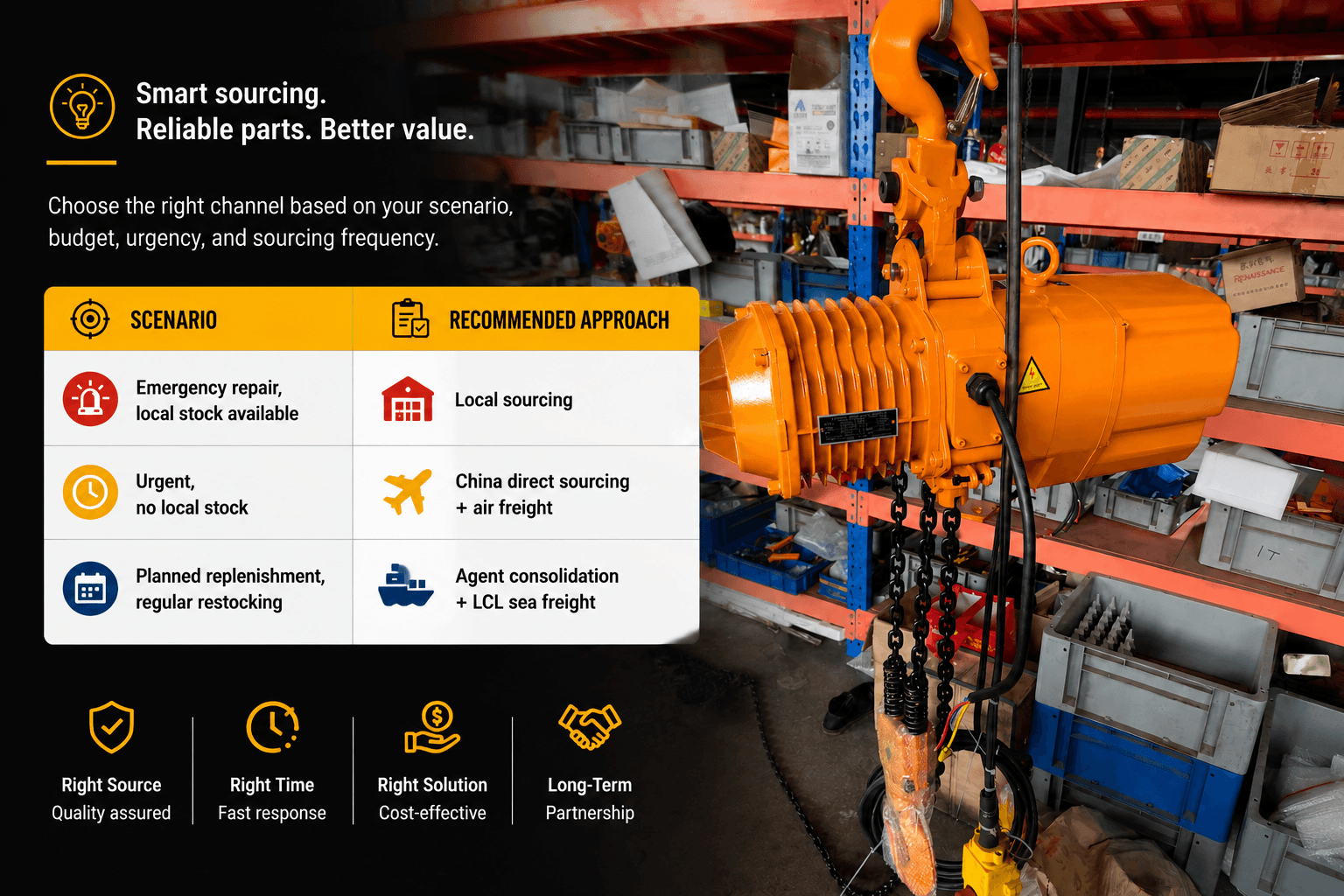
| Scenarie | Anbefalet fremgangsmåde |
| Nødreparation, lokalt lager tilgængeligt | Lokal indkøb |
| Haster, ingen lokale varer | Direkte sourcing fra Kina + luftfragt |
| Planlagt genopfyldning, regelmæssig genopfyldning | Agentkonsolidering + LCL-søfragt |
Match din sourcingfrekvens, krav til leveringstid og eksisterende ressourcer med denne ramme, så får du et klart svar.
Hvad er den mest frustrerende forsendelsesoplevelse, du har haft med små krandele? Har du nogensinde betalt mere for logistik end for selve produktet? Skriv en kommentar nedenfor.
Jeg har eksporteret krandele i 5 år med speciale i kædetaljer, wiretaljer, hjul, motorer og andet småt krantilbehør. Hvis du har behov for sourcing eller har brug for hjælp til at bekræfte specifikationer, er du velkommen til at kontakte mig.
