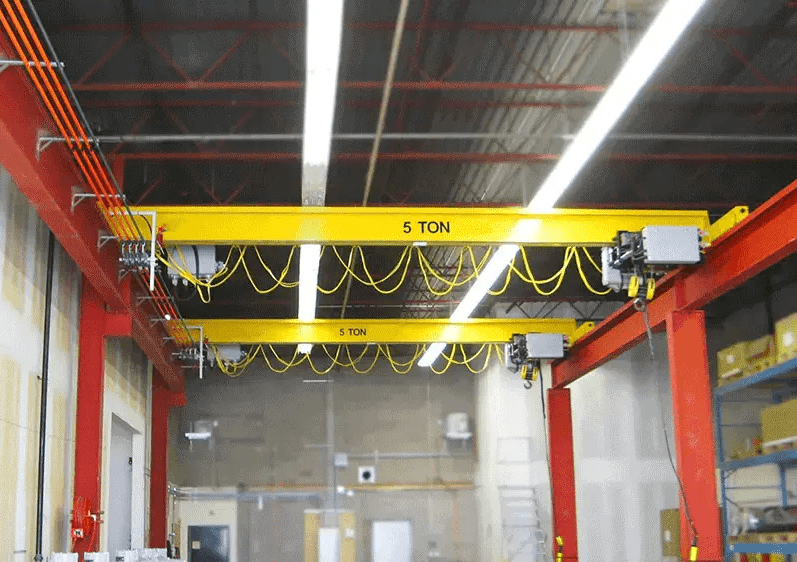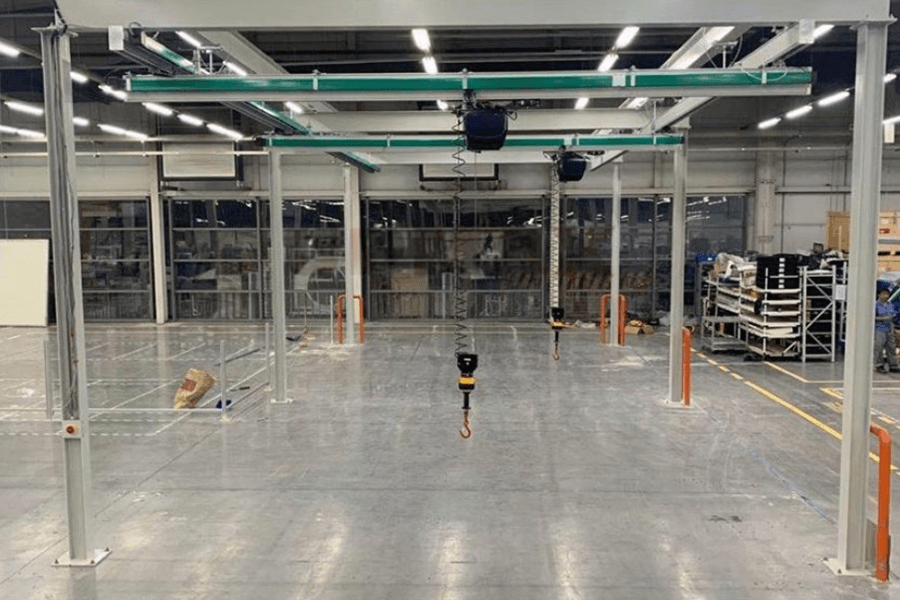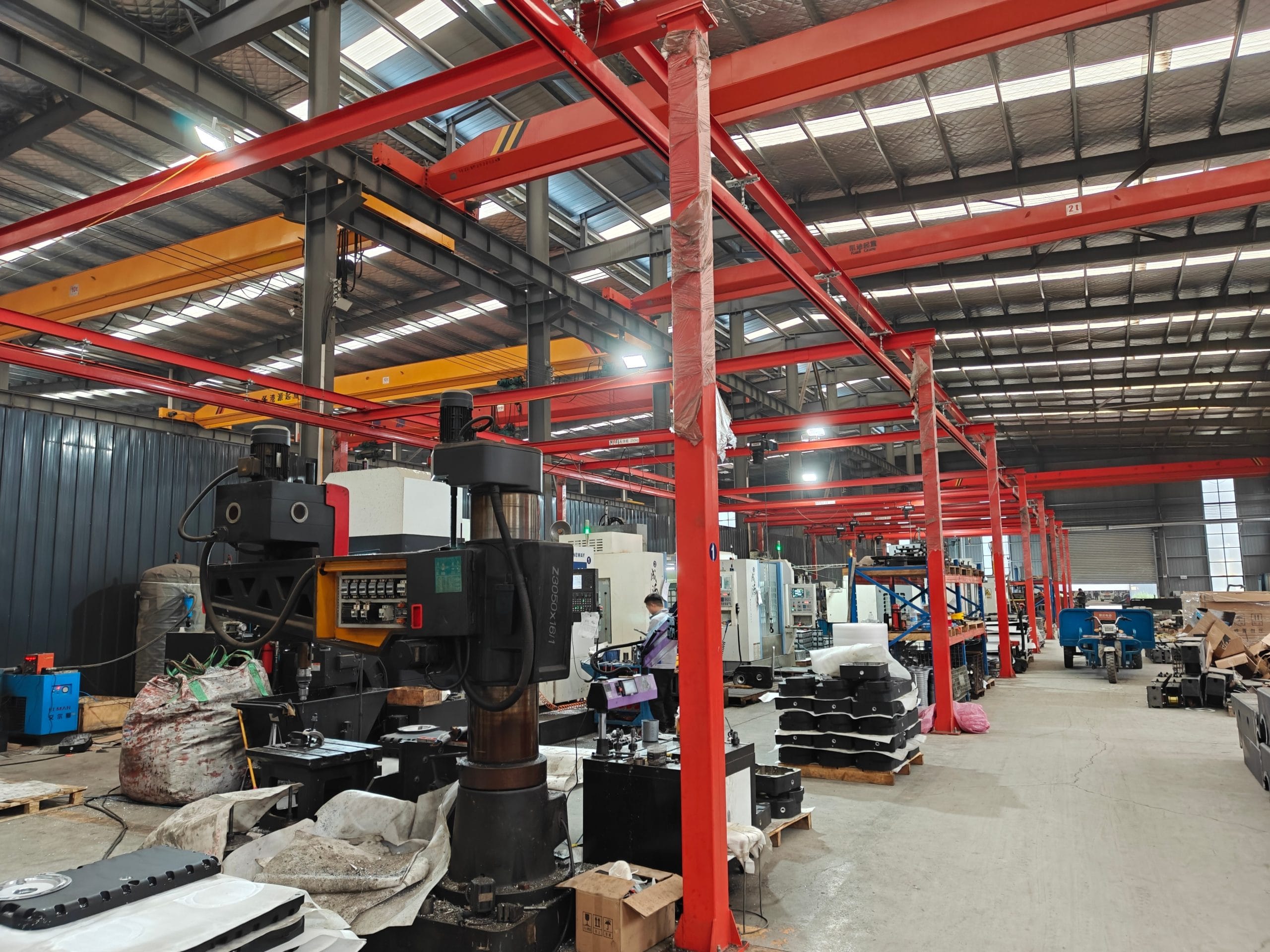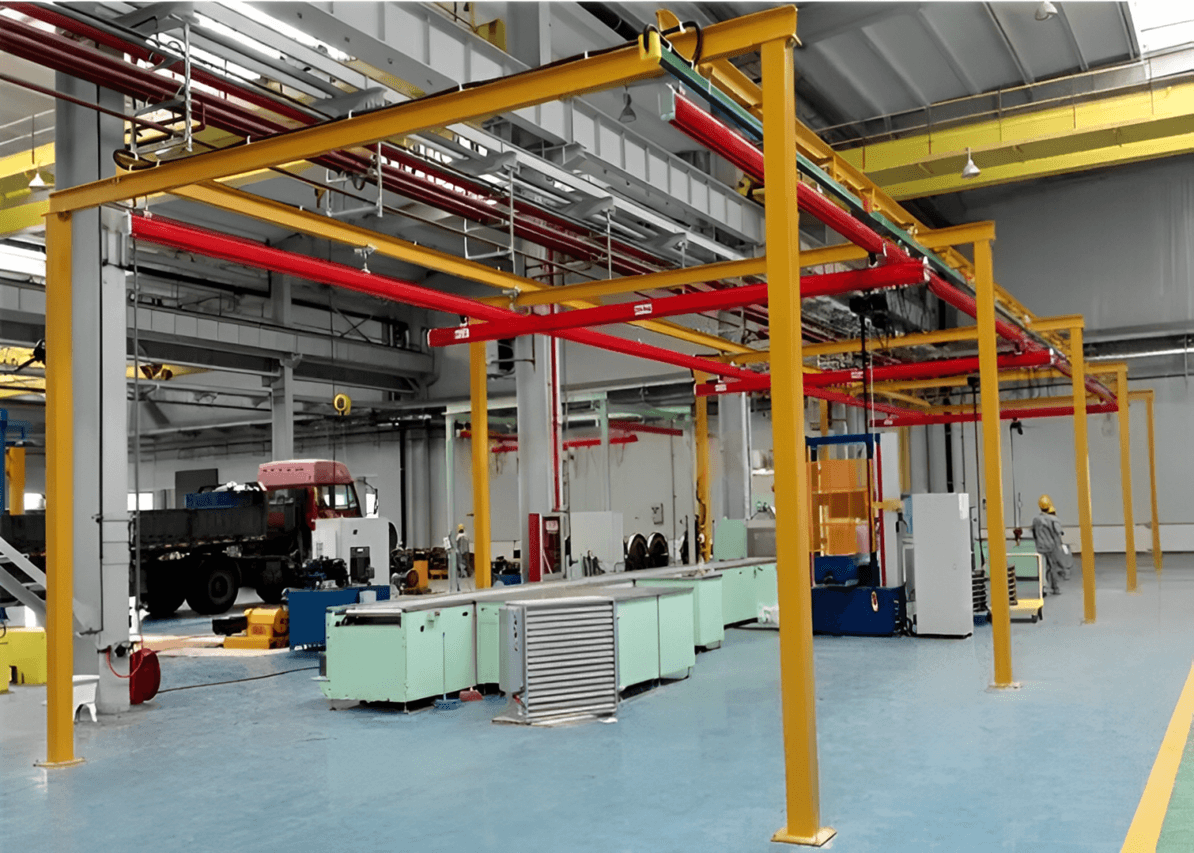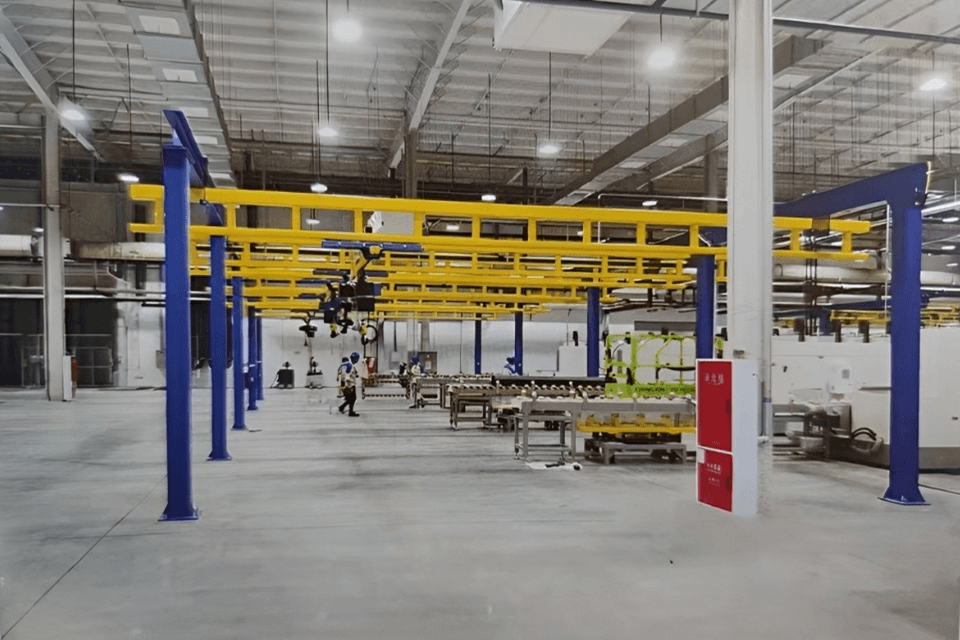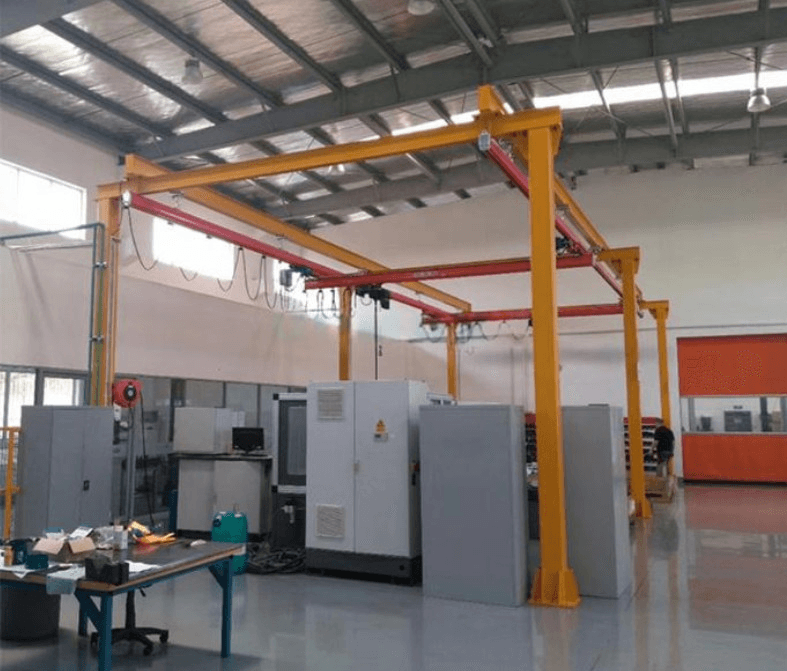
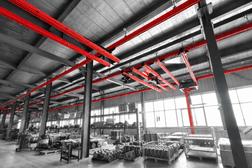
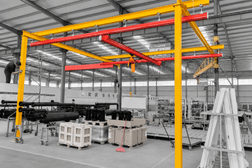
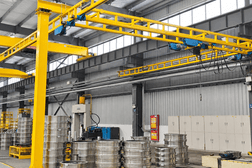
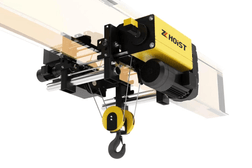
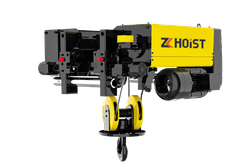
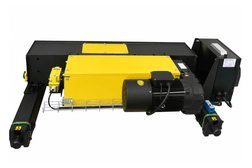
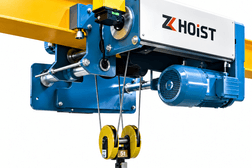
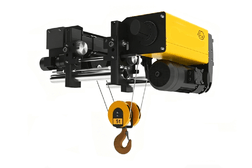
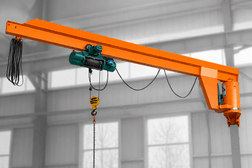
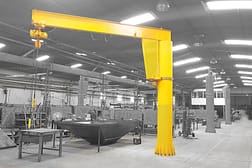
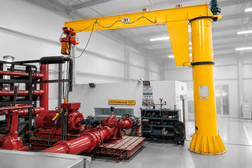
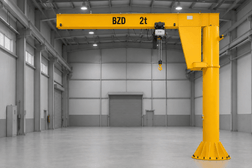
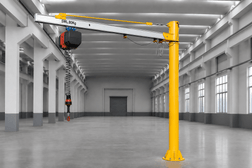
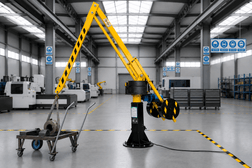
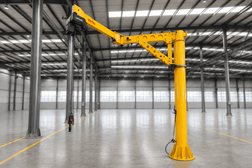
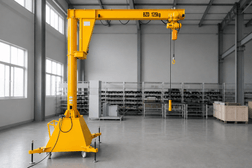
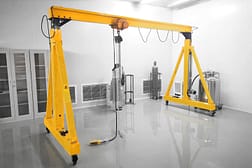
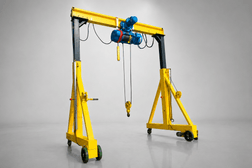
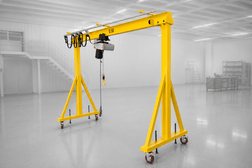
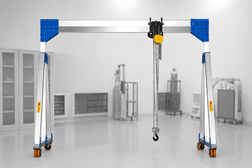
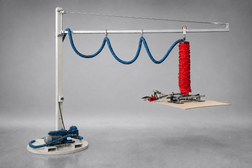
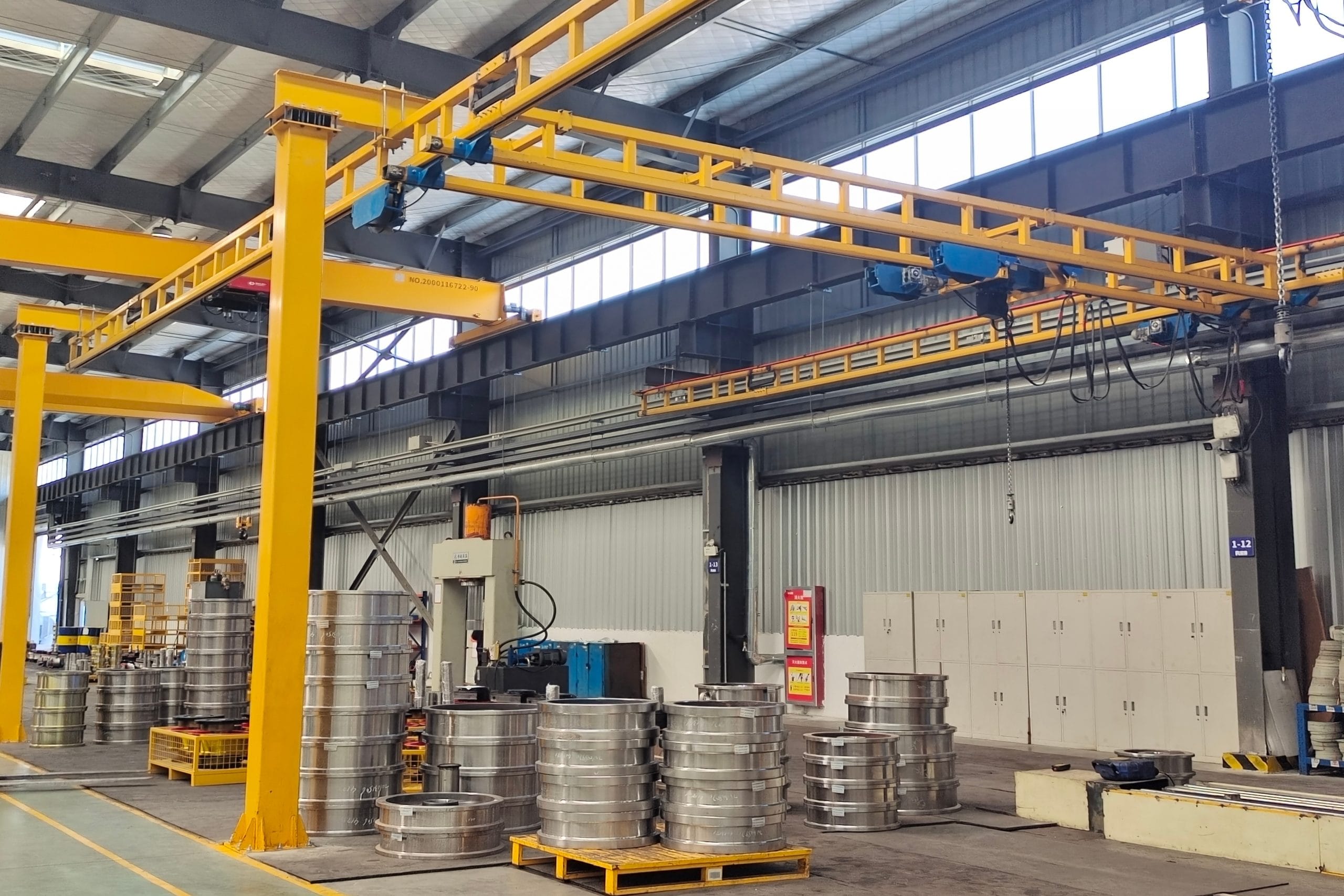
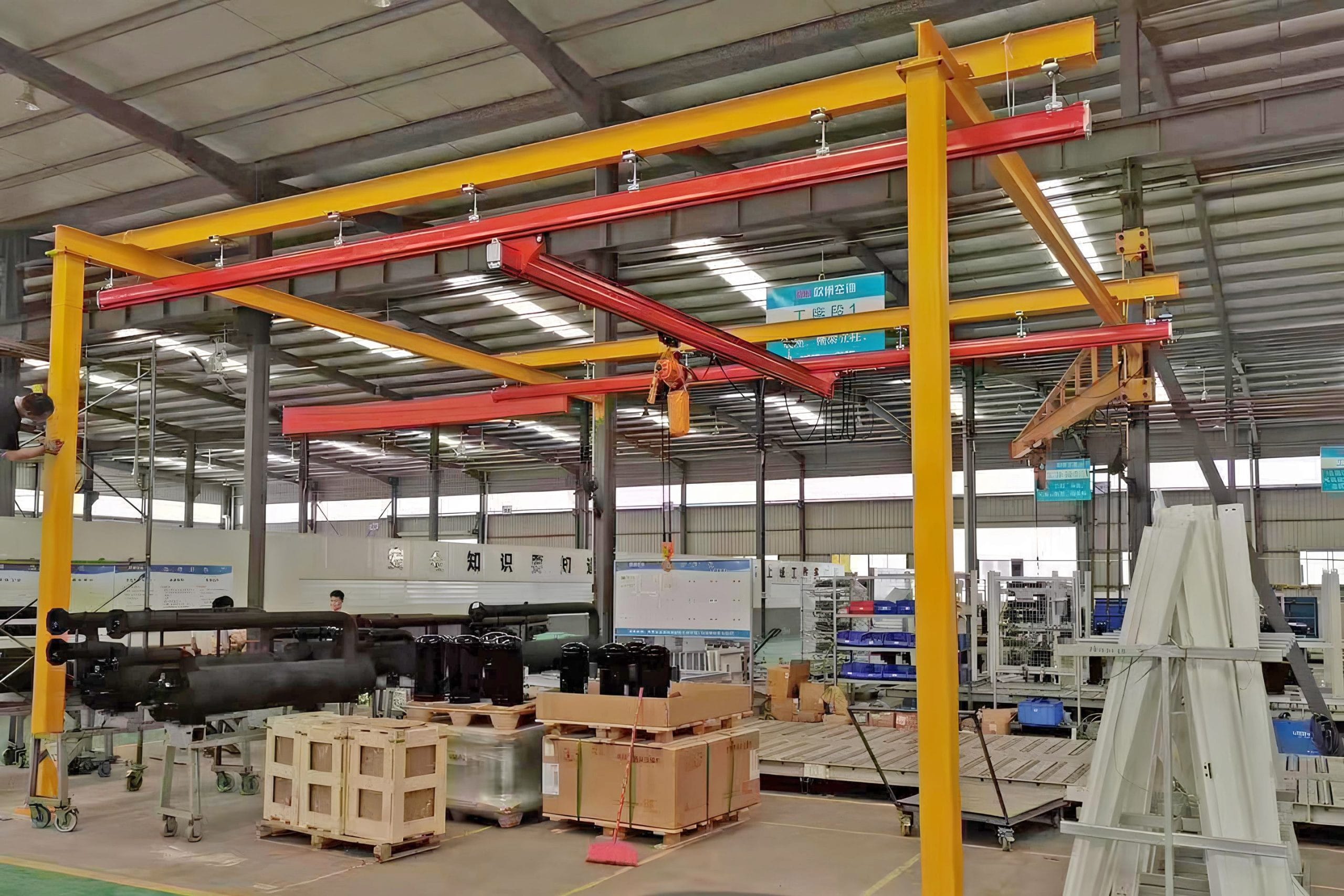
Freestanding Workstation Bridge Crane is a self-supporting lifting system designed for efficient material handling in factories, warehouses, assembly lines, and maintenance areas. Unlike traditional overhead cranes, it does not rely on the building structure, making installation faster, more flexible, and cost-effective.
Its modular design allows easy expansion or relocation as production needs change. Available with manual or electric hoists, the system provides smooth, precise load movement while reducing operator effort and improving workplace safety. With capacities up to 3 tons, ZKHOIST Freestanding Workstation Bridge Cranes offer a reliable and customizable solution for light-duty material handling applications.
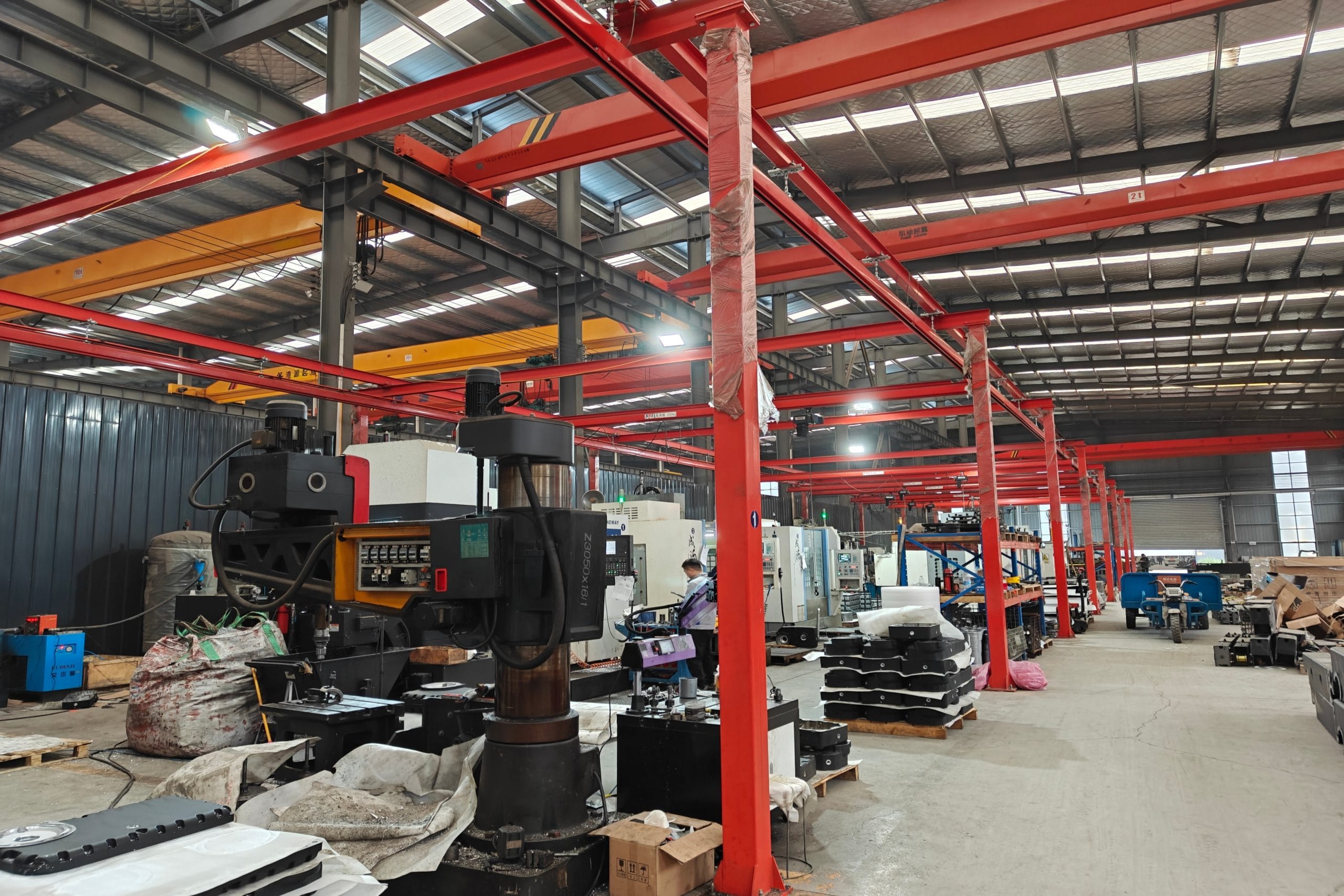
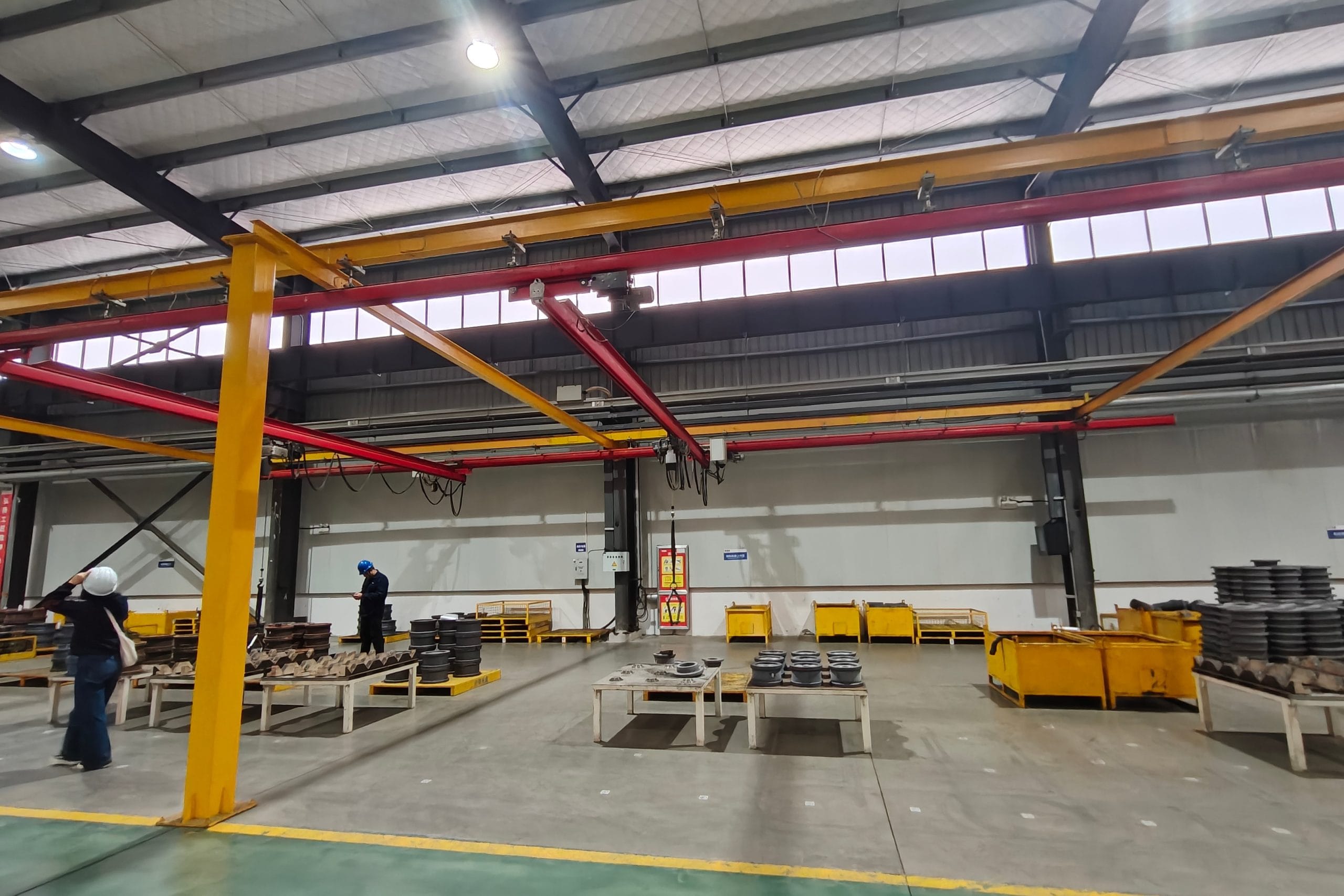
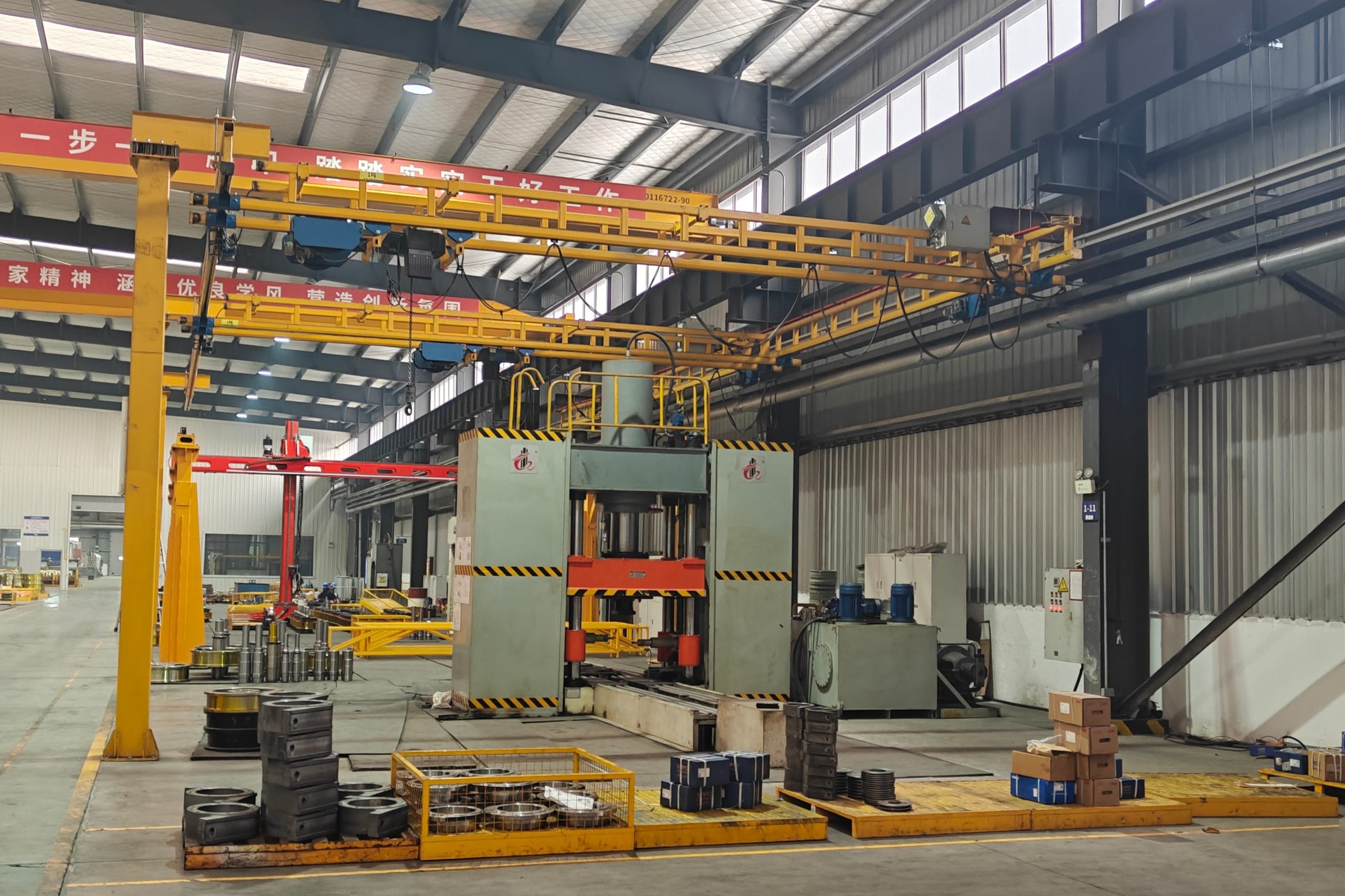
When Is a Freestanding Workstation Bridge Crane the Better Installation Choice?
A freestanding arrangement is primarily an installation and building-interface decision. It is often selected in the following situations:
- The roof cannot safely carry crane loads. Existing roof trusses, purlins or building columns may not have enough reserve capacity for the crane, lifted load and dynamic effects.
- The building structure is unknown or difficult to verify. This is common in older workshops, leased factories and buildings with incomplete structural drawings.
- The customer does not want to modify the roof or building columns. The crane can be installed without welding or suspending equipment from the overhead structure.
- The production line may be relocated later. Bolted modular columns and runways are easier to dismantle, reconfigure and reinstall after the new floor and anchors have been checked.
- The working area may expand. Runway length, bridge quantity or adjacent work cells can be considered in the original layout and added after an engineering review.
- Overhead services obstruct a suspended crane. Ducts, pipes, lighting, skylights or production equipment may prevent practical ceiling mounting.
- Different areas have different ceiling heights. Independent columns can establish the required crane elevation without following every change in the roof structure.
Why Choose a Freestanding Workstation Bridge Crane?
Independent Floor-Supported Structure
Columns, base plates and runway supports form an independent load-bearing system. This makes the crane suitable for workshops where the roof has insufficient capacity, overhead space is obstructed, or structural modification is restricted. The floor, anchors and foundation must still be checked for the project loads.
Full Rectangular Work-Area Coverage
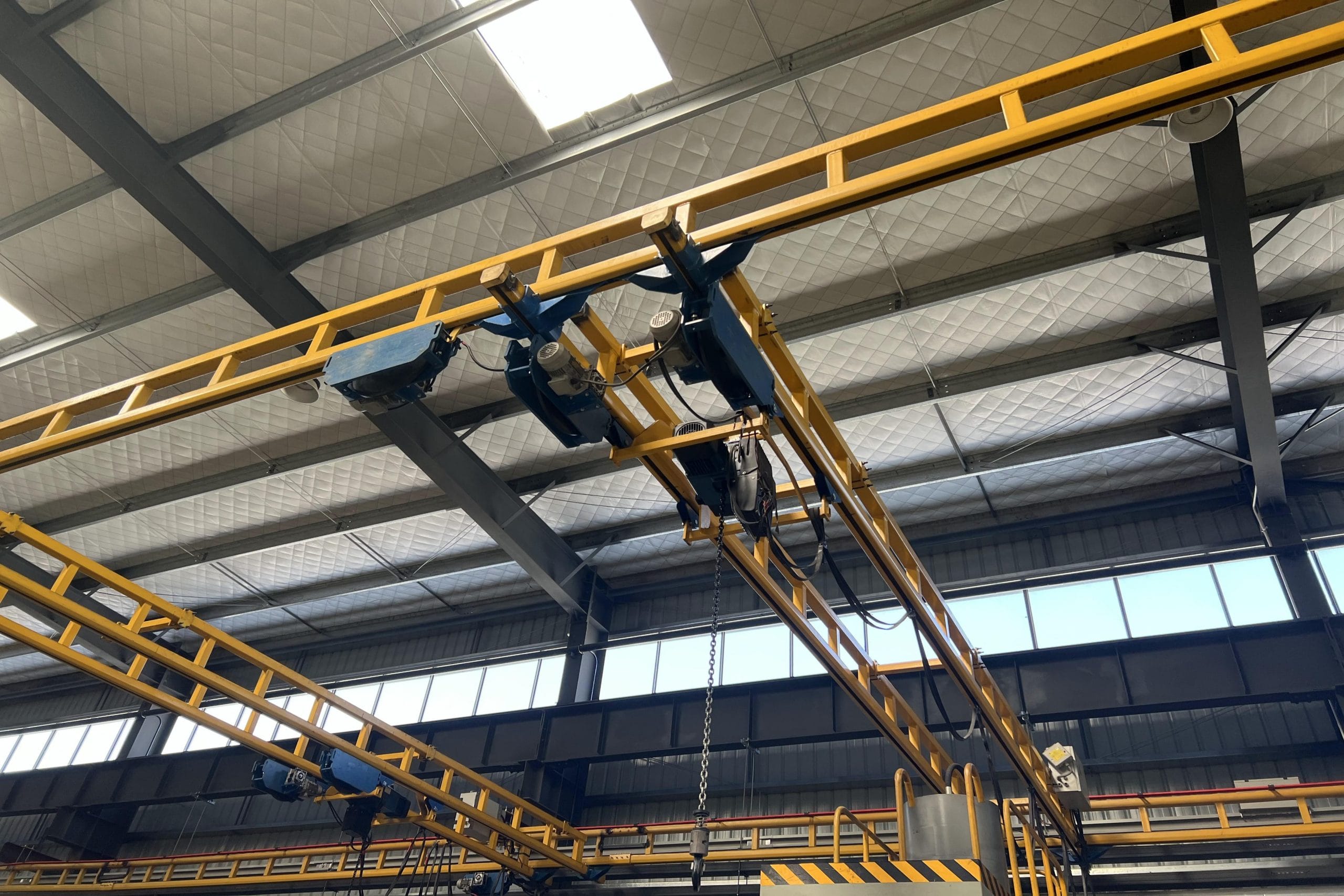
The bridge travels along two parallel runways while the hoist trolley travels across the bridge. Together with vertical lifting, these three motions provide access to nearly any point within the designed rectangular working area.
Modular Layout for Production Changes
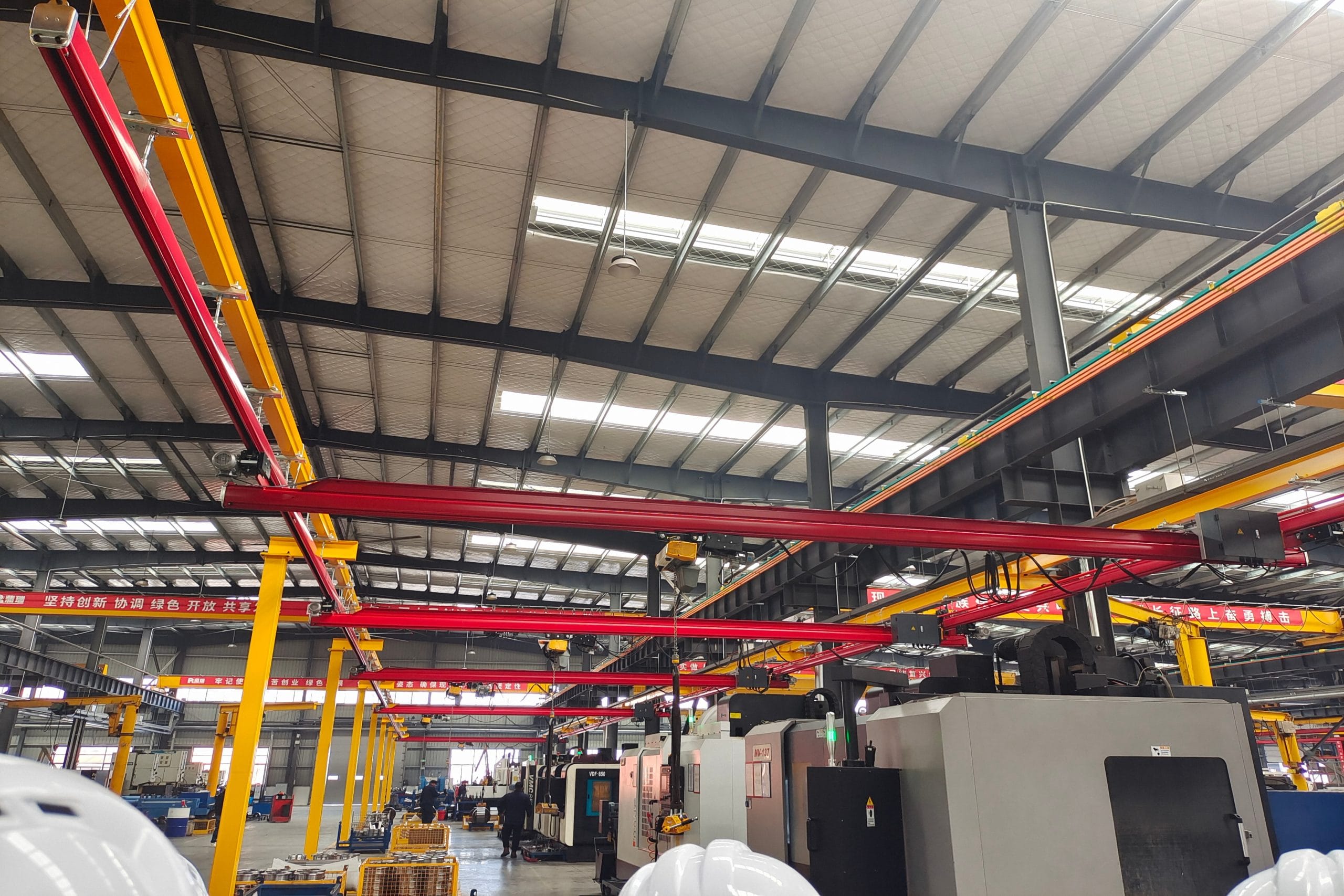
Runways, bridges, columns, hoists, controls and power-supply systems can be arranged around machines, aisles and process flow. Future runway extensions, additional bridges or workstation changes can be considered during the initial design and verified before modification.
Main Components of Freestanding Workstation Bridge Crane
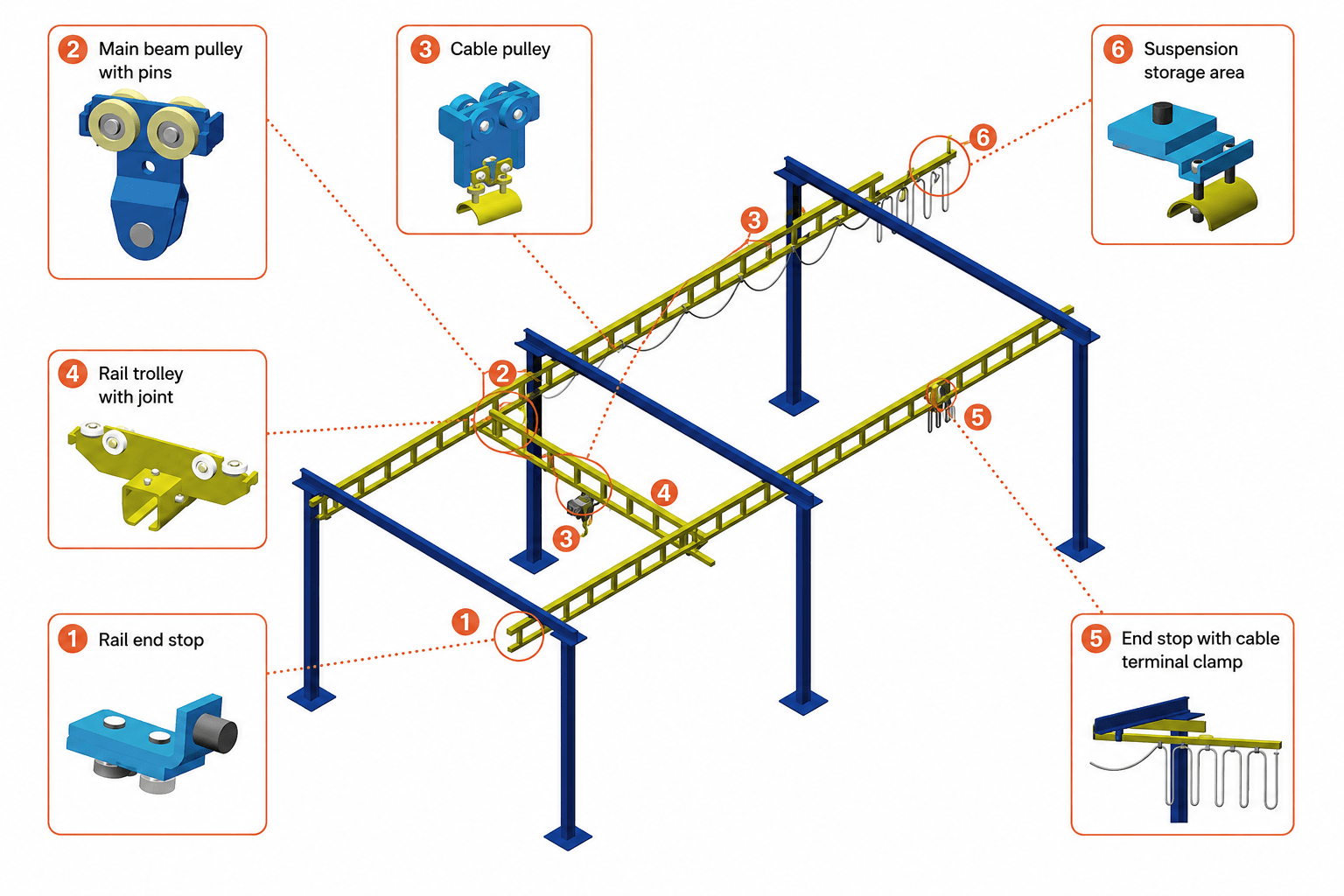
Freestanding Workstation Bridge Crane Parameters
| Lifting capacity(kg) | Rail type | L1 Max. (mm) | L2 Max. (mm) | L4 Max. (mm) | L5 Max. (mm) | L9 Max. (mm) |
| 250 | I-N | 1900 | 1200 | 2500 | 600 | 1200 |
| 250 | I-H | 9000 | 1200 | 10000 | 600 | 1200 |
| 500 | II-N | 1800 | 1200 | 2500 | 600 | 1200 |
| 500 | II-H | 9000 | 1200 | 1000 | 600 | 1200 |
| 1000 | III-N | 2000 | 1200 | 3000 | 600 | 1200 |
| 1000 | III-H | 9000 | 1200 | 10000 | 600 | 1200 |
| 2000 | III-H | 8000 | 1200 | 9000 | 600 | 1200 |
Perbedaan Antara Sistem Derek Stasiun Kerja Fleksibel dan Kaku
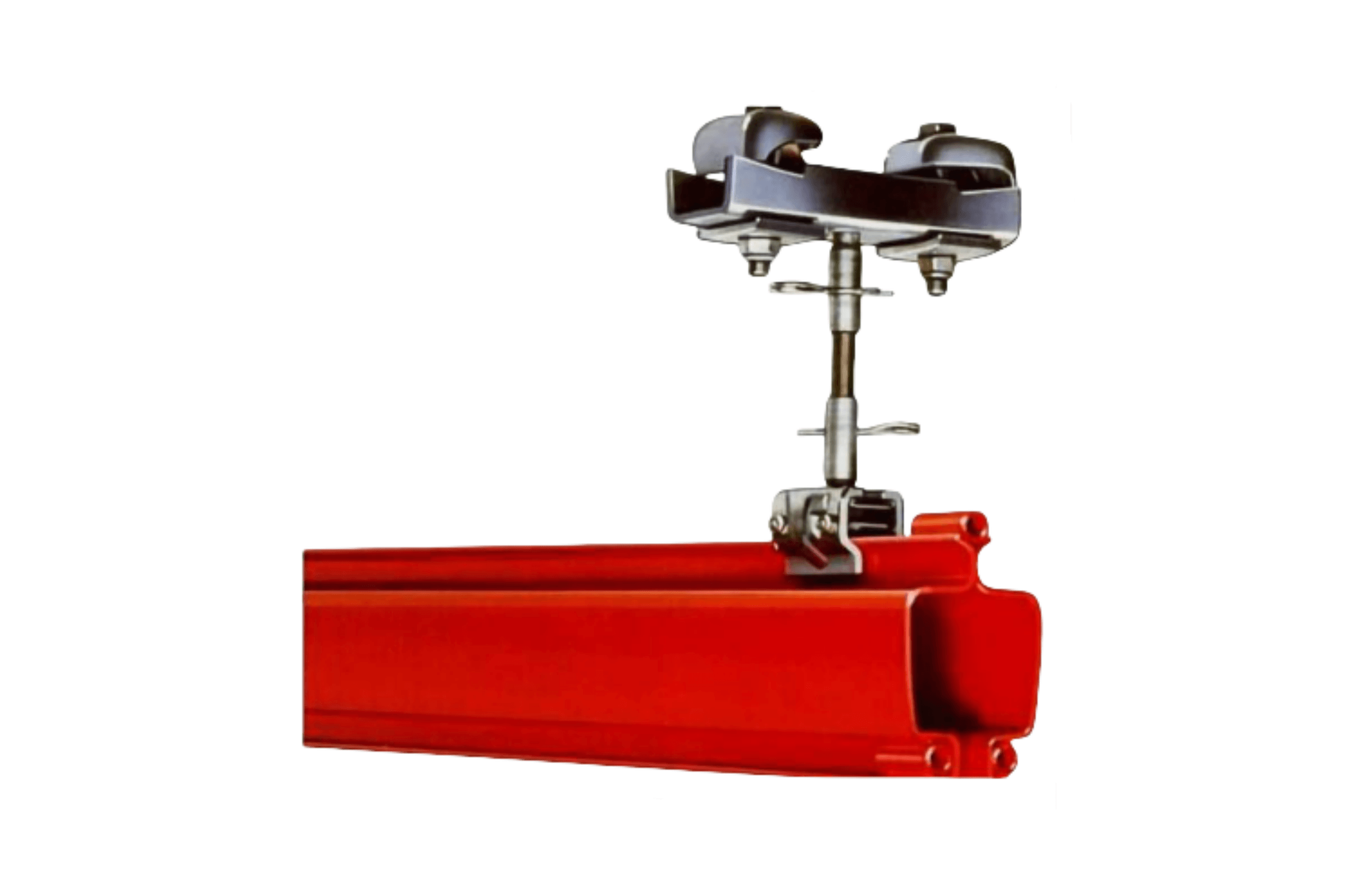
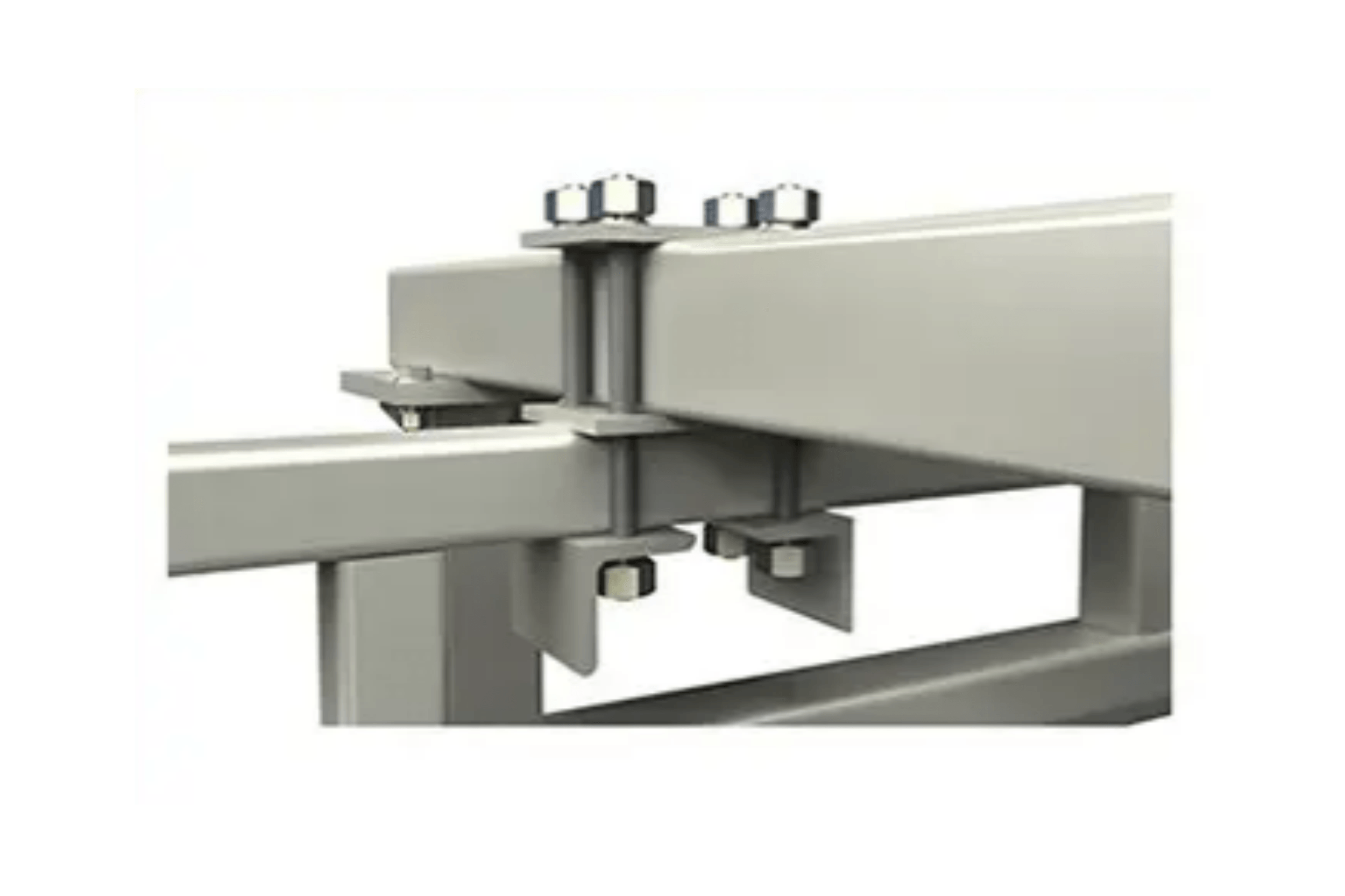
| Perbandingan | Derek Stasiun Kerja Fleksibel | Derek Stasiun Kerja Kaku |
| Struktur Rel | Rel tertutup hasil pembentukan dingin (rel profil C) | Profil rel I-beam, box beam, atau profil rel kaku lainnya |
| Metode Koneksi | Sambungan artikulasi menggunakan sambungan universal, sambungan bola, dan rakitan suspensi, memungkinkan pergerakan sudut. | Sambungan baut kaku dengan pelat penghubung, yang memungkinkan hampir tidak ada pergerakan. |
| Kemampuan Artikulasi | Memungkinkan artikulasi sudut terbatas. | Hampir tidak ada artikulasi |
| Stabilitas Operasional | Memungkinkan artikulasi ringan untuk pergerakan yang lebih mulus. | Kekakuan struktural dan stabilitas operasional yang lebih tinggi |
Application of Freestanding Workstation Bridge Crane