
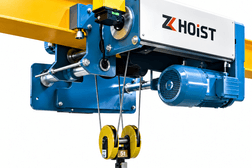
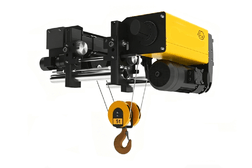
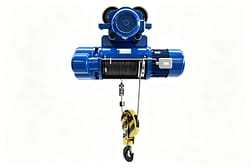
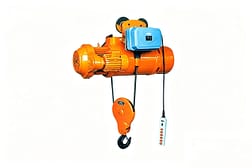
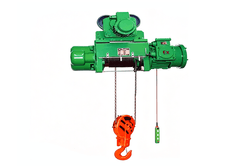
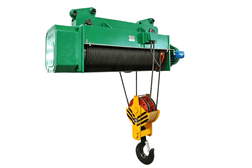
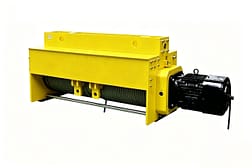
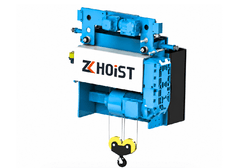
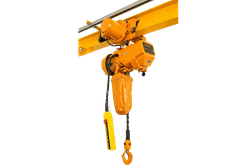
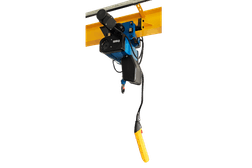
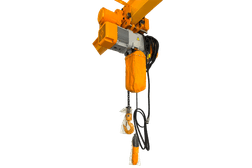
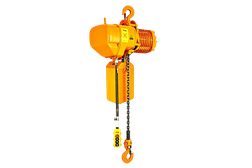
सीडी और जेडई वायर रोप इलेक्ट्रिक होइस्ट का बाजार अवलोकन
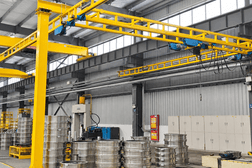
विश्वभर में सिंगल-गर्डर ओवरहेड क्रेन, गैन्ट्री क्रेन और अन्य उपकरणों के लिए सहायक लिफ्टिंग मैकेनिज्म क्षेत्र में, सीडी वायर रोप इलेक्ट्रिक होइस्ट और ZE वायर रोप इलेक्ट्रिक होइस्ट बाजार में इनकी हिस्सेदारी सबसे अधिक है और ये सबसे व्यापक अनुप्रयोग परिदृश्यों को कवर करते हैं। दोनों मॉडल अधिकांश पारंपरिक उठाने की स्थितियों के लिए उपयुक्त हैं और सामान्य इनडोर और आउटडोर सामग्री हैंडलिंग कार्यों के लिए लागू होते हैं।
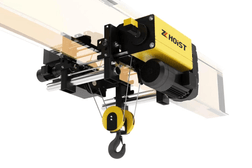
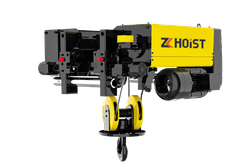
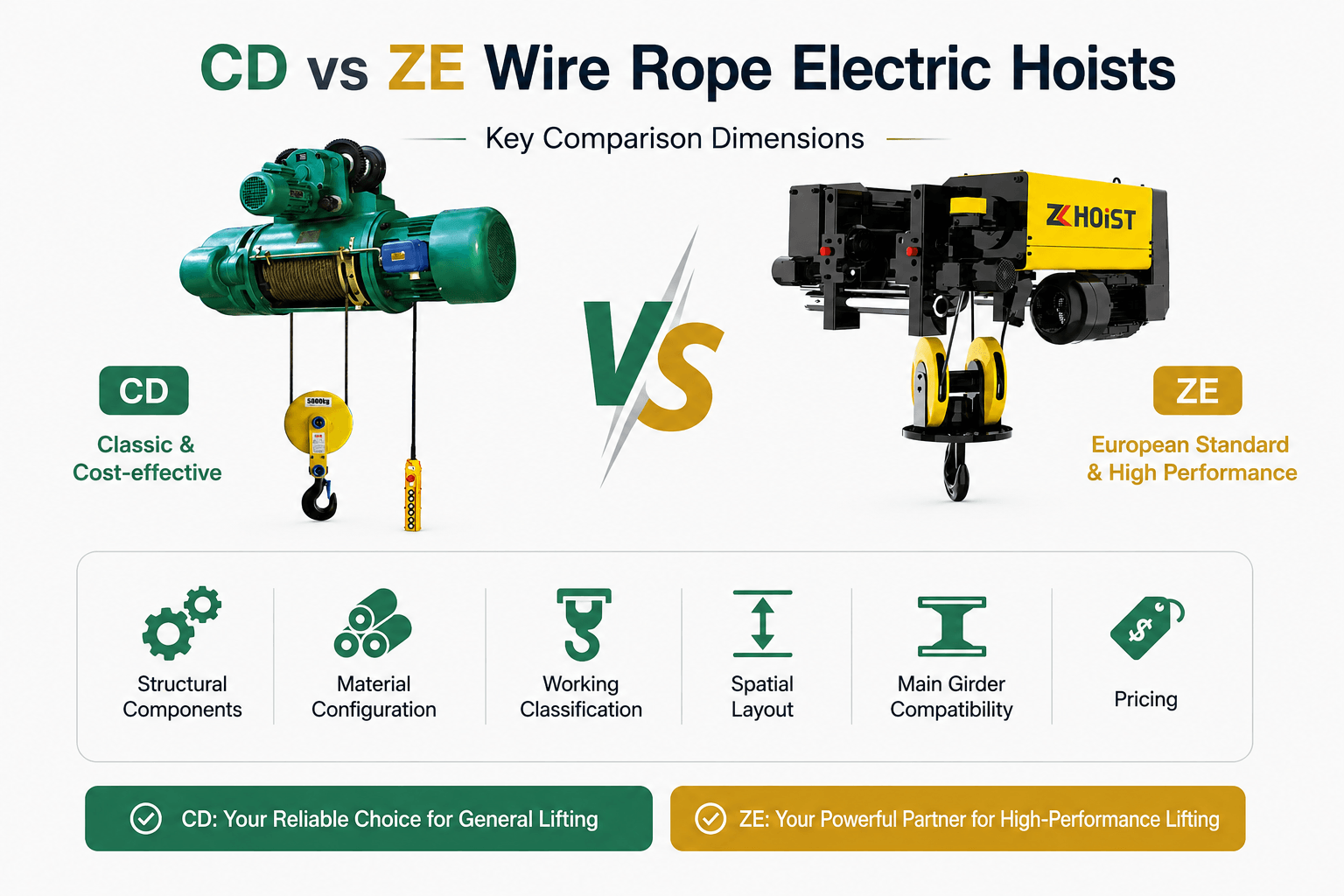
दोनों उत्पादों की मुख्य विशेषताएं स्पष्ट रूप से भिन्न हैं। सीडी वायर रोप इलेक्ट्रिक होइस्ट एक क्लासिक पारंपरिक मॉडल है जो किफ़ायती, सार्वभौमिक अनुकूलता और आसान रखरखाव पर केंद्रित है, जिससे यह मध्यम से कम परिचालन आवृत्ति वाले सामान्य कार्यशाला भारोत्तोलन के लिए सर्वोत्तम विकल्प बन जाता है। ज़ेडई वायर रोप इलेक्ट्रिक होइस्ट यूरोपीय एफईएम क्रेन निर्माण मानकों का अनुपालन करता है और मॉड्यूलर हल्के ढांचे को अपनाता है। यह उच्च कार्य क्षमता और कम ऊंचाई पर बेहतर प्रदर्शन प्रदान करता है, जो उच्च आवृत्ति परिचालन, उच्च परिशुद्धता आवश्यकताओं और सीमित संयंत्र स्थान वाली आधुनिक कार्यशालाओं के लिए उपयुक्त है।
नीचे संरचनात्मक घटकों, सामग्री विन्यास, कार्य वर्गीकरण, स्थानिक लेआउट, मुख्य गर्डर अनुकूलता और मूल्य निर्धारण सहित आयामों के आधार पर उनके अंतरों का विवरण दिया गया है, जिससे खरीदारों को सटीक मॉडल चयन करने में मदद मिलेगी।
कोर असेंबली संरचना और घटक सामग्री विन्यास में भिन्नताएँ
दोनों होइस्ट एक ही लिफ्टिंग सिद्धांत पर काम करते हैं: एक मोटर रिड्यूसर को चलाकर ड्रम को घुमाती है, जिससे वायर रोप घूमती और खुलती है और लिफ्टिंग व लोअरिंग होती है। हालांकि, इनकी समग्र बनावट, मुख्य घटकों की सामग्री, मशीनिंग की सटीकता और असेंबली की कारीगरी में पूर्णतः अंतर है – ये अंतर कार्य वर्गीकरण और सेवा जीवन में मूलभूत रूप से भिन्नता पैदा करते हैं। विस्तृत तुलनाएँ नीचे दी गई हैं:
समग्र मशीन लेआउट संरचना
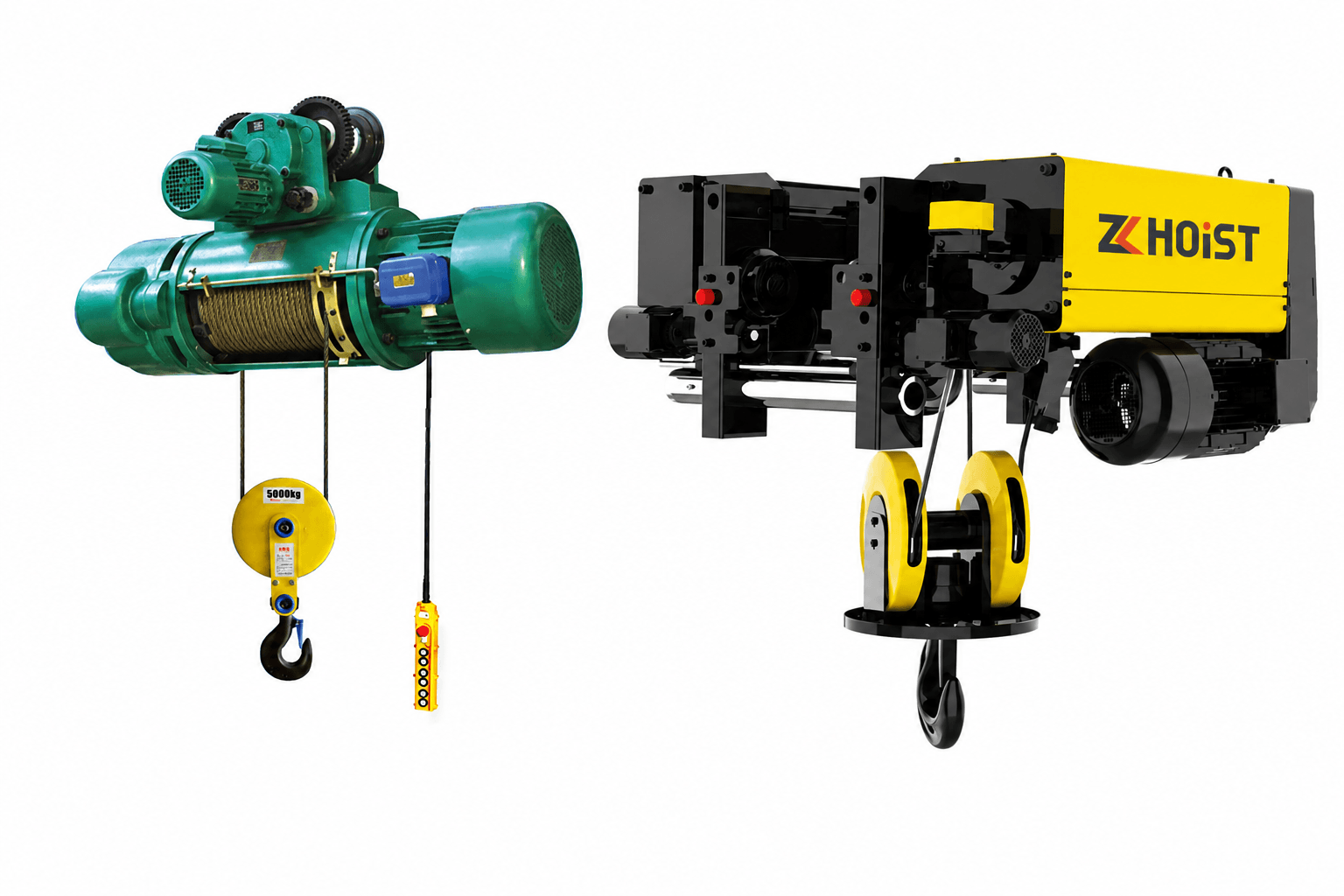
सीडी वायर रोप इलेक्ट्रिक होइस्ट
इसमें पारंपरिक समाक्षीय श्रृंखला लेआउट का उपयोग किया गया है। लिफ्टिंग मोटर, कपलिंग, ड्रम और रिड्यूसर को एक सीधी रेखा में अनुदैर्ध्य रूप से व्यवस्थित किया गया है। पूरी मशीन लंबी और संकीर्ण है, और इसकी बाहरी संरचना में पुर्जे अलग-अलग असेंबल किए गए हैं, जिनमें बड़े अंतराल हैं। इसके कारण इसका डेड वेट अधिक है, तनाव बिखरा हुआ है और संचालन के दौरान इसमें स्पष्ट कंपन होता है।
ZE वायर रोप इलेक्ट्रिक होइस्ट
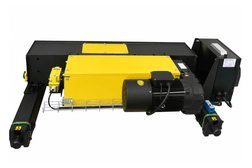
इसमें साइड-माउंटेड स्प्लिट मॉड्यूलर लेआउट है। लिफ्टिंग मोटर ड्रम के किनारे के समानांतर स्थित है, जबकि रिड्यूसर को बाहरी कपलिंग के बिना आंतरिक रूप से स्थापित किया गया है। एक एकीकृत फ्रेम मुख्य तंत्रों को घेरे हुए है, जो पूरे ढांचे के लिए उच्च एकीकरण, संतुलित तनाव और एकीकृत भार वहन क्षमता प्रदान करता है, जिससे परिचालन स्थिरता में काफी वृद्धि होती है।
मुख्य घटकों की सामग्री और विनिर्माण शिल्प
| मुख्य घटक | सीडी वायर रोप इलेक्ट्रिक होइस्ट | ZE वायर रोप इलेक्ट्रिक होइस्ट |
| कम करने | साधारण 45# स्टील से निर्मित गियर वाला सॉफ्ट-टूथ रिड्यूसर। दांतों की सतह की कम सटीकता के कारण घिसाव प्रतिरोध कम होता है। इसमें ओपन लुब्रिकेशन प्रणाली है जिसके लिए नियमित रूप से गियर ऑयल भरना आवश्यक है और यह झटके सहने में कमजोर है। | उच्च परिशुद्धता वाला 3-इन-1 हार्ड-टूथ रिड्यूसर। मिश्र धातु इस्पात के गियरों को कार्बराइजिंग और क्वेंचिंग के बाद बारीक ग्राइंडिंग से गुज़ारा जाता है। पूरी तरह से सीलबंद डिज़ाइन जीवन भर रखरखाव-मुक्त स्नेहन सुनिश्चित करता है, साथ ही बार-बार चालू-बंद होने और भारी भार के प्रभावों के प्रति मज़बूत प्रतिरोध प्रदान करता है। |
| ब्रेकिंग सिस्टम | साधारण एस्बेस्टस फ्रिक्शन लाइनिंग से सुसज्जित सिंगल इलेक्ट्रोमैग्नेटिक ब्रेक। खराब ऊष्मा अपव्यय के कारण तेजी से घिसाव होता है; बार-बार चालू-बंद करने पर ब्रेक के अधिक गर्म होने और हुक के फिसलने की संभावना रहती है, जिससे केवल बुनियादी पार्किंग ब्रेकिंग ही संभव हो पाती है। | साइलेंट डिस्क ब्रेकिंग के साथ ड्यूल रिडंडेंट ब्रेकिंग सिस्टम (सर्विस ब्रेक + सेफ्टी पार्किंग ब्रेक)। उच्च तापमान और घिसाव-प्रतिरोधी फ्रिक्शन पैड में अंतर्निर्मित ऊष्मा अपव्यय संरचनाएं होती हैं। यह बफर्ड इम्पैक्ट-फ्री स्टार्ट-स्टॉप और ओवरलोड सेल्फ-लॉकिंग सुरक्षा प्रदान करता है। |
| लिफ्टिंग मोटर | साधारण वायु शीतलन और कम इन्सुलेशन श्रेणी वाली पारंपरिक वाई-सीरीज़ क्रेन मोटर को कम समय के कार्य चक्रों के लिए डिज़ाइन किया गया है। लंबे समय तक निरंतर संचालन निषिद्ध है, और इसकी ओवरलोड क्षमता कमजोर है। | एफईएम द्वारा निर्मित विशेषीकृत वेरिएबल फ्रीक्वेंसी क्रेन मोटर में आईपी55 उच्च सुरक्षा ग्रेड और अंतर्निर्मित फोर्सड कूलिंग फैन है। क्लास एच इन्सुलेशन उत्कृष्ट ओवरलोड और एंटी-एजिंग प्रदर्शन के साथ 24 घंटे निरंतर संचालन को सपोर्ट करता है। |
| ड्रम और वायर रोप | मानक चिकनी सतह वाली वायर रोप के लिए उपयुक्त, कम व्यास और पतली दीवार वाला ड्रम। साधारण रूप से निर्मित रोप ग्रूव वायर रोप के घिसाव और उछाल को कम करते हैं। इसमें केवल बुनियादी यांत्रिक लिमिट स्विच लगे होते हैं। | बड़े व्यास वाला मोटा प्रेसिजन ड्रम, जिसमें बारीक मशीनिंग द्वारा बनाए गए फिसलन रोधी रस्सी के खांचे हैं, और साथ में गैल्वनाइज्ड, घिसाव-प्रतिरोधी विशेष क्रेन वायर रोप का उपयोग किया गया है। बेहतर एंटी-जंप और एंटी-ब्रेक सुरक्षा के लिए कई इलेक्ट्रॉनिक लिमिट डिवाइस लगाए गए हैं। |
| खूंटी हटाना | क्लास पी हुक, Q345QD सामग्री | क्लास टी हुक, 35CrMo मिश्र धातु इस्पात सामग्री |
विद्युत नियंत्रण एवं सुरक्षा विन्यास
सीडी होइस्ट में मानक रूप से वेरिएबल फ्रीक्वेंसी स्पीड रेगुलेशन के बिना साधारण एसी कॉन्टैक्टर कंट्रोल लगा होता है, जिसके परिणामस्वरूप चालू और बंद करते समय झटके लगते हैं। इनमें केवल बुनियादी ऊपरी और निचली यात्रा सीमाएं होती हैं और IP54 सुरक्षा ग्रेड होता है।
ZE होइस्ट में स्टेपलेस बफर्ड स्टार्ट और स्टॉप के लिए वेरिएबल फ्रीक्वेंसी इलेक्ट्रिकल कंट्रोल स्टैंडर्ड रूप से दिया गया है। इसमें ओवरलोड प्रोटेक्शन, फेज सीक्वेंस प्रोटेक्शन, इमरजेंसी पावर कट-ऑफ और डुअल अपर/लोअर ट्रैवल लिमिट्स जैसी पूर्ण सुरक्षा सुविधाएँ अंतर्निहित हैं। पूरी मशीन IP55 प्रोटेक्शन ग्रेड की है, जो धूल भरे और नमी वाले वर्कशॉप वातावरण के लिए उपयुक्त है।
कार्य कर्तव्य का सार: ZE M5 तक क्यों पहुंचता है जबकि CD केवल M3 तक?
पारंपरिक सीडी मॉडल की तुलना में जेडई वायर रोप इलेक्ट्रिक होइस्ट की उच्च कार्य क्षमता किसी एक बेहतर घटक के कारण नहीं है। बल्कि, उनकी समग्र डिजाइन फिलॉसफी, ट्रांसमिशन सिस्टम, मोटर कॉन्फ़िगरेशन और सुरक्षा कारक उच्च आवृत्ति संचालन और लंबी सेवा जीवन के लिए इंजीनियर किए गए हैं।
ग्राहक के दृष्टिकोण से सरल शब्दों में समझाते हुए, मुख्य कारण नीचे सूचीबद्ध हैं:
बार-बार संचालन के लिए उच्च मोटर ड्यूटी साइकिल
सीडी होइस्ट में आमतौर पर एस3 251टीपी1टी ड्यूटी साइकिल (एम3 वर्गीकरण के अनुरूप) वाले शंक्वाकार रोटर मोटर का उपयोग किया जाता है। बार-बार चालू करने से आसानी से ओवरहीटिंग हो सकती है, जिससे निरंतर चलने का समय सीमित हो जाता है।
ZE होइस्ट में वेरिएबल फ्रीक्वेंसी या वाउंड लिफ्टिंग मोटर्स लगी होती हैं जो S4 और S5 ड्यूटी साइकल को सपोर्ट करती हैं, जिससे स्टार्टअप का समय काफी बढ़ जाता है, लंबे समय तक लगातार संचालन के दौरान तापमान में कम वृद्धि होती है और उच्च-आवृत्ति वाले लिफ्टिंग कार्यों के लिए अनुकूलता सुनिश्चित होती है।
हार्ड-टूथ रिड्यूसर समग्र सेवा जीवन को बढ़ाता है
सीडी होइस्ट में अधिकतर तीन-चरण गियर रिडक्शन प्रणाली का उपयोग किया जाता है, जिसमें कम परिशुद्धता वाले गियर की मशीनिंग, तेज परिचालन शोर और गियर का तेजी से घिसाव होता है।
ZE होइस्ट में सटीक गियर ग्राइंडिंग के माध्यम से निर्मित हार्ड-टूथ रिड्यूसर का उपयोग किया जाता है, जिनमें उच्च संचरण दक्षता और मजबूत भार क्षमता होती है, जो उच्च आवृत्ति वाली कार्य परिस्थितियों में काफी लंबी सेवा जीवन प्रदान करती है।
बेहतर ड्रम और वायर रोप डिज़ाइन थकान से होने वाले नुकसान को कम करता है
सीडी होइस्ट में छोटे ड्रम लगे होते हैं, जो कम परिशुद्धता वाले रस्सी के खांचों के साथ मिलकर तार की रस्सियों के लिए बड़े विक्षेपण कोण बनाते हैं।
ZE होइस्ट में बड़े व्यास वाले ड्रम और अनुकूलित रस्सी ग्रूव ज्यामिति होती है जो वायर रोप तनाव को समान रूप से वितरित करती है, वायर रोप के सेवा जीवन को बढ़ाती है और बार-बार उपयोग के कारण होने वाली थकान क्षति को कम करती है।
परिवर्तनीय आवृत्ति सुचारू संचालन यांत्रिक झटके को कम करता है
अधिकांश सीडी होइस्ट सिंगल-स्पीड ऑपरेशन की सुविधा प्रदान करते हैं, जिसमें उठाने की गति तेज होती है और चालू और बंद होने के दौरान भारी प्रभाव पड़ता है।
ZE होइस्ट में मानक रूप से डुअल-स्पीड या वेरिएबल फ्रीक्वेंसी कंट्रोल की सुविधा होती है। CD होइस्ट की तुलना में थोड़ी धीमी गति से चलने के बावजूद, ये सॉफ्ट स्टार्ट और सॉफ्ट स्टॉप फ़ंक्शन के साथ बेहद सुचारू रूप से काम करते हैं, जिससे बार-बार संचालन के दौरान मोटर, रिड्यूसर और स्टील संरचनाओं को होने वाली यांत्रिक क्षति कम हो जाती है।
पूरक टिप्पणीबाजार में उपलब्ध कुछ उन्नत सीडी होइस्ट एम4 श्रेणी तक पहुंच सकते हैं, लेकिन उनकी लागत एंट्री-लेवल जेडई होइस्ट के बराबर होती है, जिनका प्रदर्शन लागत के हिसाब से बेहद खराब होता है। उद्योग मानक के अनुसार सीडी = एम3 और जेडई = एम5 ही मान्य हैं।
स्थान उपयोग और मुख्य बीम अनुकूलन
क्रेन के मुख्य गर्डरों के लिए मिलान संबंधी अंतर
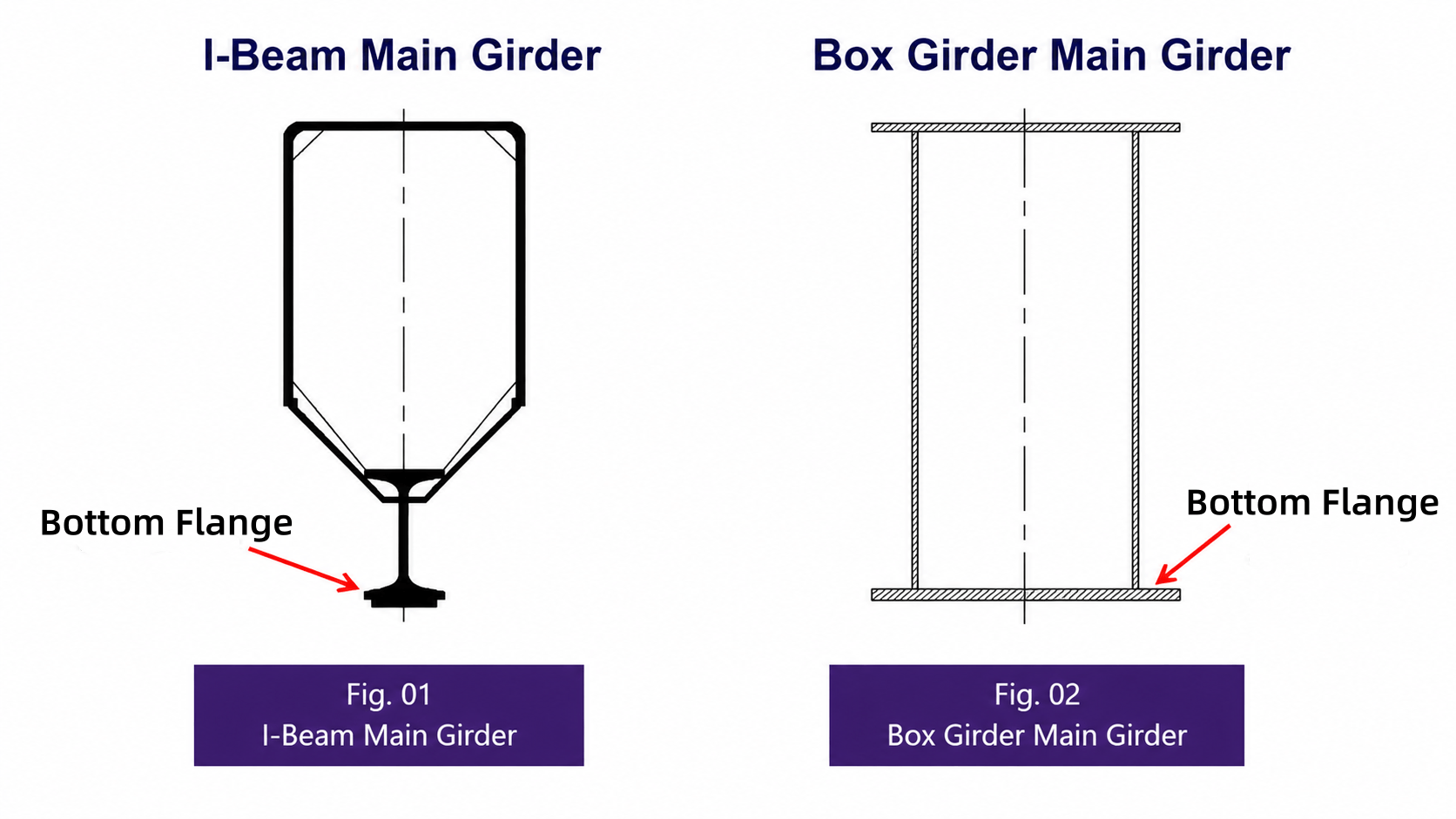
चित्र 01 में सीडी होइस्ट के साथ उपयोग किए जाने वाले विशिष्ट गर्डर क्रॉस-सेक्शन को दर्शाया गया है, जबकि चित्र 02 में जेडई होइस्ट के लिए मानक गर्डर क्रॉस-सेक्शन दिखाया गया है।
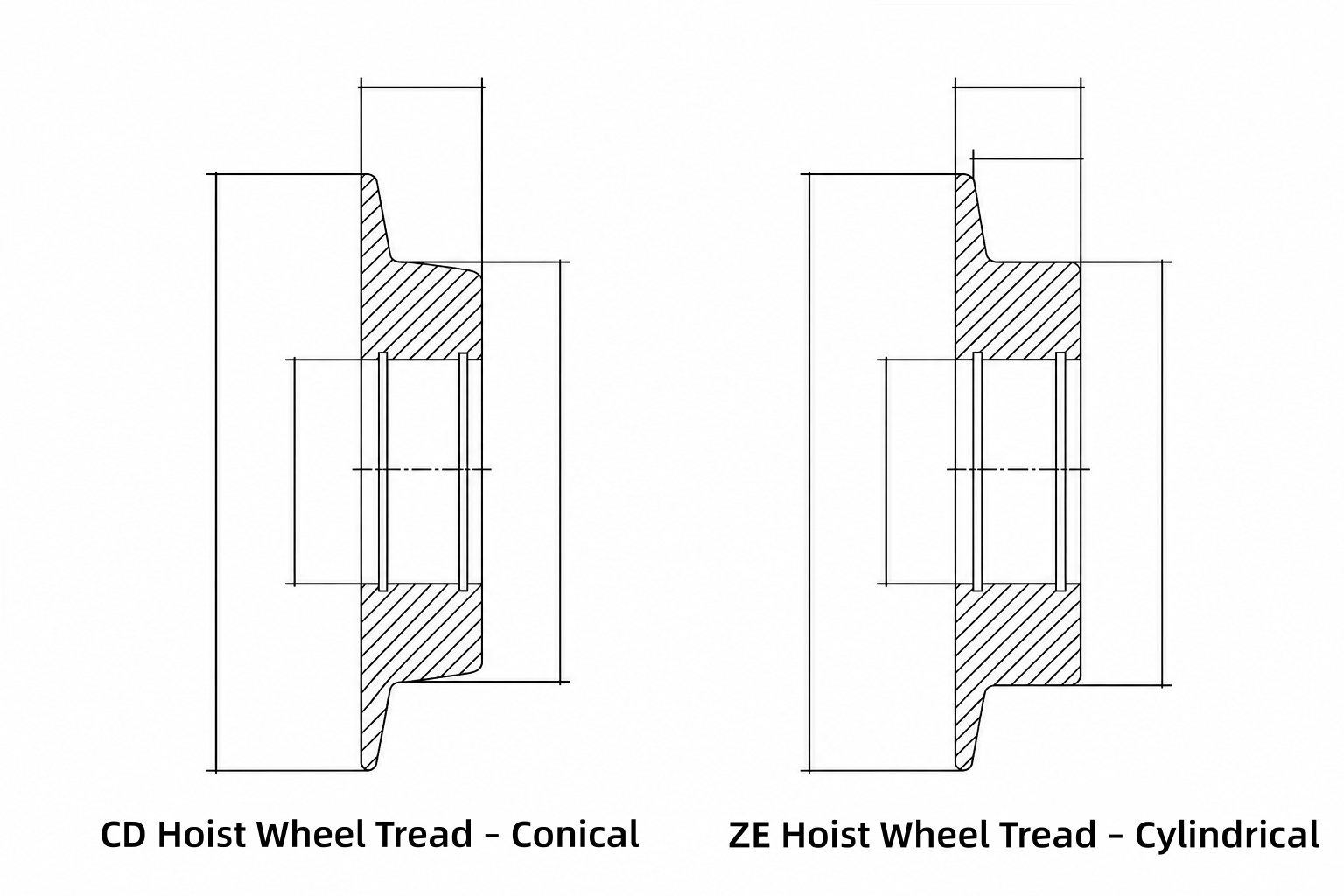
दोनों ट्रैक फ्लैंज में अंतर: आई-बीम फ्लैंज में एक निश्चित झुकाव होता है, इसलिए सीडी होइस्ट ट्रॉली के पहियों का तल शंक्वाकार होता है। जब चित्र 02 में गर्डर की निचली फ्लैंज प्लेट जेडई होइस्ट ट्रॉलियों के लिए रनिंग ट्रैक का काम करती है, तो इसकी सपाट सतह के लिए बेलनाकार सपाट ट्रॉली पहियों की आवश्यकता होती है।
ऊर्ध्वाधर हेडस्पेस और क्षैतिज अंतिम पहुँच आयामों में अंतर
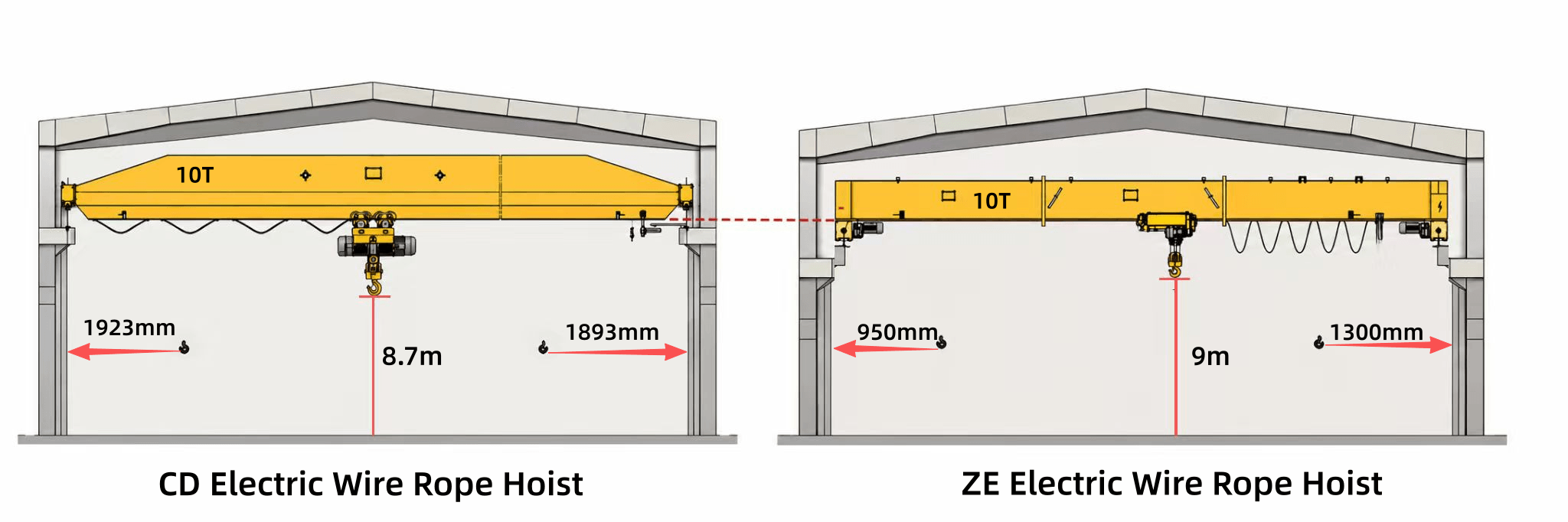
ZE होइस्ट एक विशेष कम ऊंचाई वाली C-आकार की गोलाकार संरचना को अपनाते हैं, जबकि पारंपरिक CD होइस्ट एक अंडरहंग संरचना का उपयोग करते हैं, जिससे उठाने की ऊंचाई और परिचालन कवरेज में महत्वपूर्ण अंतर आ जाता है। मापे गए फील्ड डेटा नीचे दिए गए हैं:
ऊर्ध्वाधर हेडस्पेस का लाभ
समान 10 टन क्षमता और 9 मीटर उठाने की ऊंचाई वाले कॉन्फ़िगरेशन के लिए, ZE होइस्ट हुक की ऊपरी सीमा CD होइस्ट की तुलना में लगभग 300 मिमी अधिक होती है। समान प्लांट फ्लोर ऊंचाई पर, ZE होइस्ट अधिक प्रभावी उठाने की जगह प्रदान करते हैं, जो सीमित छत की ऊंचाई वाले प्लांट, पुरानी फैक्ट्री के नवीनीकरण और सख्त हेडस्पेस आवश्यकताओं वाले उत्पादन कार्यशालाओं के लिए आदर्श हैं, जिससे उपकरण स्थापना और सामग्री हैंडलिंग क्षमता में काफी वृद्धि होती है।
क्षैतिज छोर तक पहुँचने की दूरी में लाभ
ZE होइस्ट कॉम्पैक्ट बॉडी और ऑप्टिमाइज़्ड ट्रॉली स्ट्रक्चर को अपनाते हैं, जिससे हुक वर्कशॉप के दोनों सिरों के काफी करीब पहुंच सकते हैं। फील्ड माप के अनुसार: ZE होइस्ट की बाईं ओर की पहुंच दूरी लगभग 950 मिमी और दाईं ओर की 1300 मिमी है; जबकि पारंपरिक CD होइस्ट की बाईं ओर की दूरी लगभग 1923 मिमी और दाईं ओर की दूरी लगभग 1893 मिमी होती है।
सीडी मॉडल की तुलना में, जेडई होइस्ट बाएं और दाएं छोर की पहुंच दूरी को क्रमशः लगभग 973 मिमी और 593 मिमी तक कम कर देते हैं, जिससे लिफ्टिंग ब्लाइंड जोन में भारी कमी आती है, कोने वाले क्षेत्रों में सामग्री हैंडलिंग के लिए कवरेज में सुधार होता है और प्लांट स्पेस का अधिकतम उपयोग होता है।
व्यापक स्थानिक प्रदर्शन सारांश
कम ऊंचाई और कॉम्पैक्ट डिज़ाइन के कारण, ZE यूरोपियन-स्टाइल होइस्ट न केवल प्रभावी उठाने की ऊंचाई बढ़ाते हैं, बल्कि दोनों सिरों पर डेड ज़ोन को भी काफी कम कर देते हैं, जिससे उठाने का दायरा व्यापक हो जाता है और जगह का बेहतर उपयोग होता है। पारंपरिक CD होइस्ट अपने अंडरहंग लेआउट और कमजोर एंड अप्रोच क्षमता के कारण अधिक ऊर्ध्वाधर स्थान घेरते हैं, जिससे वर्कशॉप के कोनों पर सामग्री को संभालना मुश्किल हो जाता है।
मूल्य तुलना
जिन उपयोगकर्ताओं की कार्य परिस्थितियों में अति उच्च कार्य स्तर, कम ऊंचाई और सटीक आवृत्ति रूपांतरण नियंत्रण की आवश्यकता नहीं होती है, उनके लिए सीडी वायर रोप इलेक्ट्रिक होइस्ट दैनिक उठाने की मांगों को पूरी तरह से पूरा करने के बाद बेजोड़ लागत प्रदर्शन प्रस्तुत करते हैं।
परिपक्व बड़े पैमाने पर उत्पादन, मानकीकृत स्पेयर पार्ट्स और सरल असेंबली संरचना के लाभ से, सीडी होइस्ट विनिर्माण लागत को काफी कम कर देते हैं। नीचे दी गई कोटेशन तालिका में स्पष्ट रूप से दिखाया गया है कि समान टन भार और उठाने की ऊंचाई वाले विनिर्देशों के तहत सीडी मॉडल की एकमुश्त खरीद लागत जेडई होइस्ट की तुलना में आधी से भी कम है। सामान्य कम से मध्यम आवृत्ति वाले कार्यों के लिए उच्च-स्तरीय कॉन्फ़िगरेशन के कारण कोई अनावश्यक प्रीमियम नहीं देना पड़ता है।
| क्षमता | उठाने की ऊंचाई | सीडी इलेक्ट्रिक वायर रोप होइस्ट की कीमत | ZE इलेक्ट्रिक वायर रोप होइस्ट की कीमत |
| 2टी | 6 | $710 | $1,650 |
| 3टी | 6 | $789 | $1,650 |
| 5टी | 6 | $997 | $1,850 |
| 10 टी | 9 एम | $1,731 | $3,250 |
| 16 टी | 9 एम | $2,013 | $5,300 |
महत्वपूर्ण सुझावकेवल टन भार के आधार पर कीमतों की तुलना न करें। ZE होइस्ट, CD होइस्ट की तुलना में कहीं अधिक उच्च गुणवत्ता वाली कच्ची सामग्री और विनिर्माण मानकों का उपयोग करते हैं। कीमत में अंतर केवल ब्रांड प्रीमियम के कारण नहीं, बल्कि उच्च स्तरीय कारीगरी के कारण है।
सारांश: खरीद प्रक्रिया में आने वाली समस्याओं से बचने के लिए लक्षित मॉडल का चयन
सीडी वायर रोप इलेक्ट्रिक होइस्ट के लिए उपयुक्त परिदृश्य
- कार्य परिस्थितियाँ जिनमें अत्यधिक ऊँचाई तक भार उठाना आवश्यक हो
- मानक आई-बीम और एच-बीम जैसे संकरे चलने वाले गर्डर
- अत्यधिक धूल, उच्च तापमान आदि वाले कठोर परिचालन वातावरण।
- बेस-माउंटेड इंस्टॉलेशन सहित विशेष माउंटिंग फॉर्म
- काम करने की परिस्थितियाँ जिनमें तेज़ गति से सामान उठाना आवश्यक हो
- अधिकांश सामान्य पारंपरिक लिफ्टिंग स्थितियों को कवर करना
ZE वायर रोप इलेक्ट्रिक होइस्ट के लिए उपयुक्त परिदृश्य
- 200 मिमी से अधिक चौड़ाई वाले मुख्य गर्डर, विशेष रूप से वेल्डेड बॉक्स गर्डर
- सख्त शोर नियंत्रण और उपकरणों की साफ-सफाई के उच्च मानकों वाले वर्कशॉप
- परिवर्तनीय आवृत्ति गति विनियमन, समकालिक गति, बुद्धिमान निगरानी और स्वचालित नियंत्रण की आवश्यकता वाले संचालन
- उच्च आवृत्ति, लंबे चक्र वाले भारोत्तोलन कार्य जिनके लिए M5 उच्च कार्य वर्गीकरण की आवश्यकता होती है
- लिफ्टिंग पोजिशनिंग की सटीकता के लिए सख्त आवश्यकताओं वाली सटीक उत्पादन लाइनें
- घिसाव-प्रतिरोधी हार्ड-टूथ रिड्यूसर, डिस्क ब्रेक और 2160MPa उच्च तन्यता वाले वायर रोप सहित प्रीमियम कॉन्फ़िगरेशन की मांग।
- सीमित छत की ऊंचाई वाले कारखाने के नवीनीकरण परियोजनाओं में अधिकतम प्रभावी उठाने की ऊंचाई की आवश्यकता होती है।
- ऐसे अनुप्रयोग जिनमें हल्के मशीन डेड वेट और ड्यूल-साइड सिंक्रोनस ट्रॉली ड्राइव को प्राथमिकता दी जाती है
सही होइस्ट का चयन करना केवल एक तकनीकी निर्णय नहीं है, बल्कि सुरक्षा, उत्पादन क्षमता और रखरखाव लागत में दीर्घकालिक निवेश है। कार्य परिस्थितियों और उपकरण डिजाइन के बीच सटीक तालमेल से उपकरण का समग्र प्रदर्शन काफी हद तक बेहतर हो सकता है और उसकी सेवा अवधि बढ़ सकती है।
यदि आप किसी नई निर्माण परियोजना की योजना बना रहे हैं या अपने मौजूदा क्रेन सिस्टम को अपग्रेड कर रहे हैं, तो हमारी टीम पेशेवर तकनीकी चयन मार्गदर्शन और आपकी वास्तविक ऑन-साइट लिफ्टिंग आवश्यकताओं के अनुरूप अनुकूलित समाधान प्रदान कर सकती है।
