

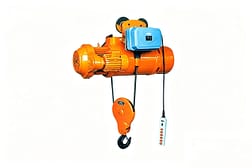
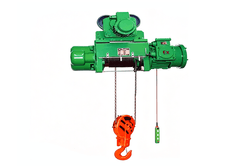
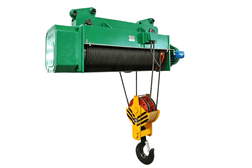
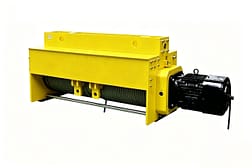
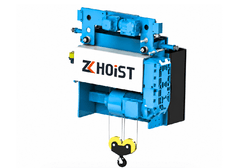
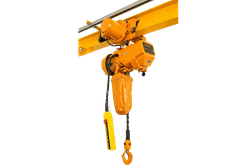
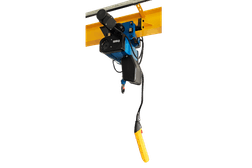
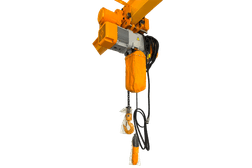
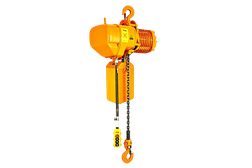
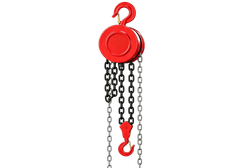
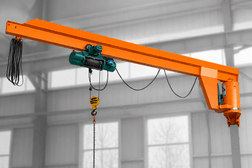
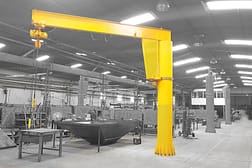
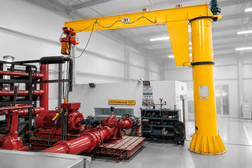
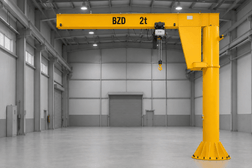
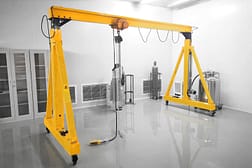
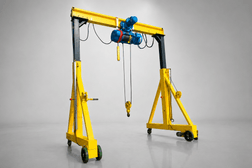
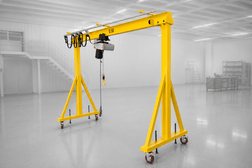
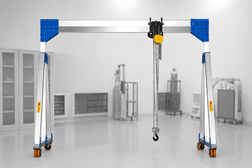
Um cliente do México solicitou um guincho de cabo de aço de 5 toneladas com altura de elevação de 7 metros. "É apenas uma substituição simples", disse ele.
Se eu tivesse feito o orçamento com base nisso, ele teria recebido um guincho elétrico que não se encaixaria na viga, não atenderia às suas necessidades reais de elevação e correria o risco de queimar o circuito de controle do guindaste original. Três problemas distintos — tudo por causa de um pedido tão rápido.
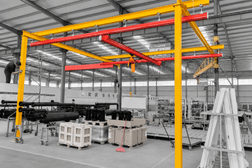
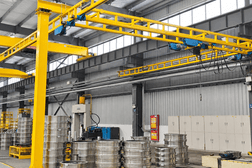
Ele estava substituindo o guincho antigo de seu guindaste semipórtico interno. Sem alterações estruturais, sem guindaste novo. Apenas um guincho elétrico. Mas mesmo uma "simples substituição" exige que três detalhes sejam verificados antecipadamente.
Aqui estão três detalhes que a maioria dos compradores ignora.
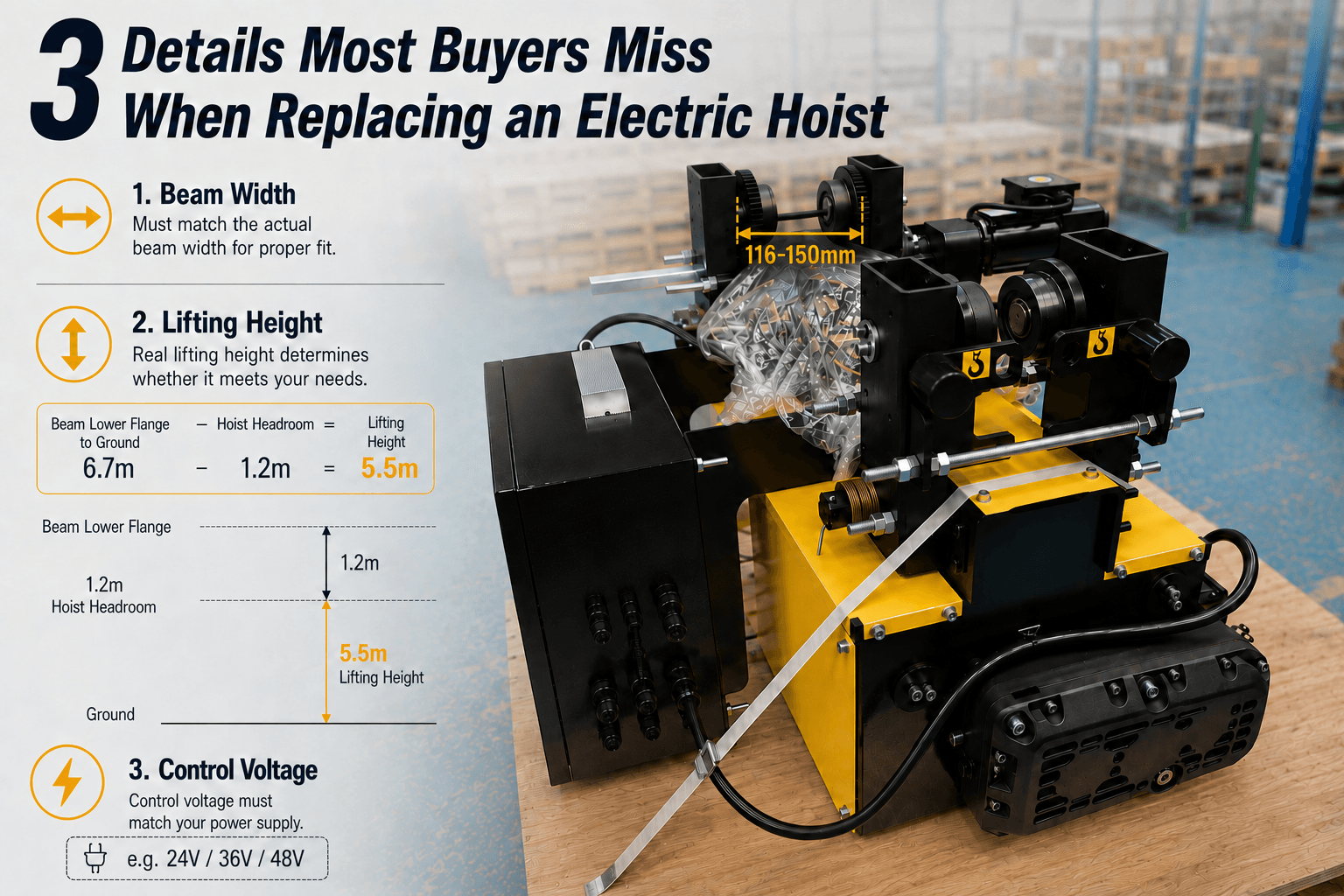
Largura da viga: a especificação que define o modelo do seu guincho elétrico.
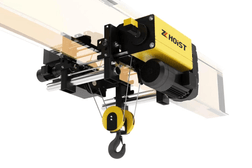
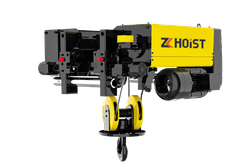
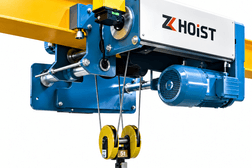
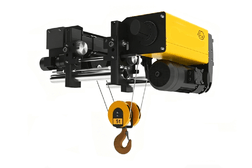
O cliente inicialmente queria um guincho elétrico de cabo de aço com baixa altura livreEste modelo apresenta rodas de carrinho posicionadas abaixo do tambor para minimizar o espaço entre a viga e o gancho, tornando-o adequado para vigas com larguras de 200 a 500 mm. É uma opção popular para maximizar a altura de elevação em oficinas com teto baixo.
Quando lhe pedi para medir a viga, a largura real da flange era de apenas 5 polegadas — 127 mm. Isso é muito estreito para um modelo com pé-direito baixo. A suspensão do gancho do guincho não se encaixaria com segurança na viga, criando instabilidade e um sério risco de segurança durante a operação.
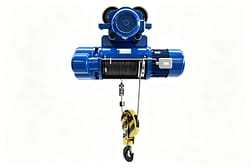
Recomendei um guincho elétrico padrão com cabo de aço e altura livre, adequado para vigas com largura entre 116 e 150 mm. As rodas do carrinho ficam posicionadas acima do tambor, tornando-o mais adequado para vigas mais estreitas.
Se tivéssemos seguido a escolha inicial, o guincho elétrico não teria sido instalado de forma estável, o que representaria riscos à segurança e acarretaria custos de substituição e atrasos desnecessários.
Altura de elevação: por que 7 m se tornaram 5,5 m
O cliente propôs inicialmente uma altura de elevação de 7 metros. À primeira vista, isso parece razoável para muitas oficinas.
Expliquei o cálculo profissional:
Altura de elevação disponível = Distância da flange inferior da viga do guindaste até o solo − Altura livre do guincho
Este é um passo que muitos compradores ignoram. Eles medem do chão ao teto ou fazem uma estimativa com base no que acham que precisam — mas o próprio guincho elétrico ocupa espaço vertical. A altura de elevação realmente útil é sempre menor do que a esperada.
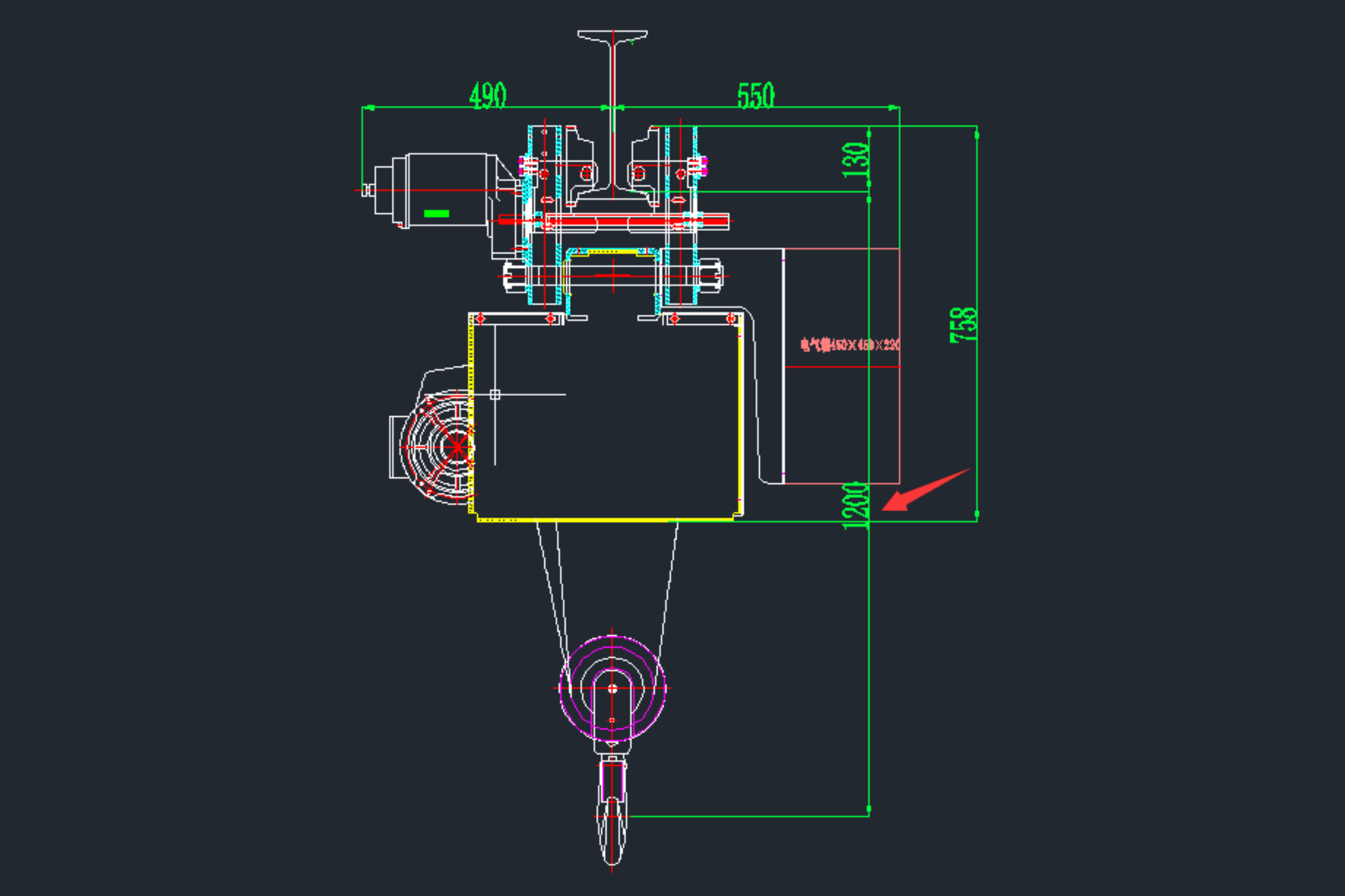
Meu cliente fez as medições no local: a distância da flange inferior da viga ao solo é de 6,7 m, e a altura livre do nosso guindaste é de 1,2 m. Isso resulta em uma altura útil de elevação de 5,5 m.
Se tivéssemos encomendado 7 metros com base no pedido inicial, o mecanismo de elevação do guincho elétrico teria atingido a viga muito antes de alcançar a altura desejada. As duas opções nesse ponto seriam: aceitar uma altura de elevação menor do que a necessária ou pagar por uma modificação personalizada — ambas opções ruins.
Tensão de controle de 48V: a especificação mais negligenciada
Este é o detalhe que é mais frequentemente negligenciado.
Muitos compradores focam apenas na capacidade e na altura de elevação, mas a tensão de controle é o que realmente faz o guincho elétrico funcionar com o sistema existente. Como este cliente manteve o carro principal, o painel de controle e o circuito de controle do guindaste original, o sistema já possui uma tensão de controle fixa — geralmente 24V, 36V ou 48V.
O contator, a bobina, o transformador e os botões do guincho são todos configurados de fábrica para corresponder a essa voltagem. Se você errar:
- Os botões do painel de controle não respondem e o contator não pode ser acionado.
- A bobina dentro do guincho pode superaquecer e queimar em poucos minutos.
- O receptor do controle remoto pode sofrer danos permanentes.
- Você precisará de um eletricista no local para instalar um novo transformador e refazer a fiação do circuito.
Já vi casos em que um guincho elétrico, em perfeitas condições, ficou sem uso por semanas enquanto o comprador se desdobrava para encontrar um eletricista local que pudesse modificar o painel de controle. Uma verificação de 30 segundos antes de fazer o pedido teria evitado todo esse transtorno para todos.
Confirmamos a tensão de controle de 48V para este projeto, que combina perfeitamente com o guindaste existente.
Resultado: Pronto para usar desde o primeiro dia
Especificações finais:
- ✅ Talha elétrica de cabo de aço de 5 toneladas, altura livre padrão
- ✅ Altura de elevação: 5,5 m
- ✅ Fonte de alimentação 220V / trifásica / 60Hz (padrão de energia industrial do México)
- ✅ Tensão de controle de 48V para ser compatível com o guindaste existente.
- ✅ Encaixe perfeito para a largura da flange da viga de 127 mm
O cliente pagou integralmente via Alibaba. Assim que recebemos o pagamento, iniciamos imediatamente a produção. Os produtos foram entregues em sua oficina dentro do prazo acordado. Ao conectar o guincho ao guindaste, tudo funcionou exatamente como projetado — sem modificações, sem surpresas, sem custos adicionais.
Mais tarde, ele me disse: "Eu não tinha ideia de quantos detalhes estavam envolvidos. Obrigado por me guiar por tudo."
É por causa desse tipo de feedback que eu nunca pulo a etapa de verificação, não importa quão simples a solicitação pareça.
5 números para verificar antes de cada pedido de guincho elétrico
Substituir um guincho elétrico antigo parece simples, mas os detalhes determinam se ele se encaixará e funcionará corretamente desde o primeiro dia. Ao planejar uma substituição, confirme estes cinco pontos com seu fornecedor antes de fazer o pedido:
- Altura do ponto mais baixo do seu prédio fabril até o solo — Isso determina o espaço máximo disponível tanto para o guindaste quanto para a carga a ser içada.
- Altura livre do guincho — O próprio guincho ocupa espaço vertical. Subtraia essa altura da altura total para obter a altura útil real de elevação.
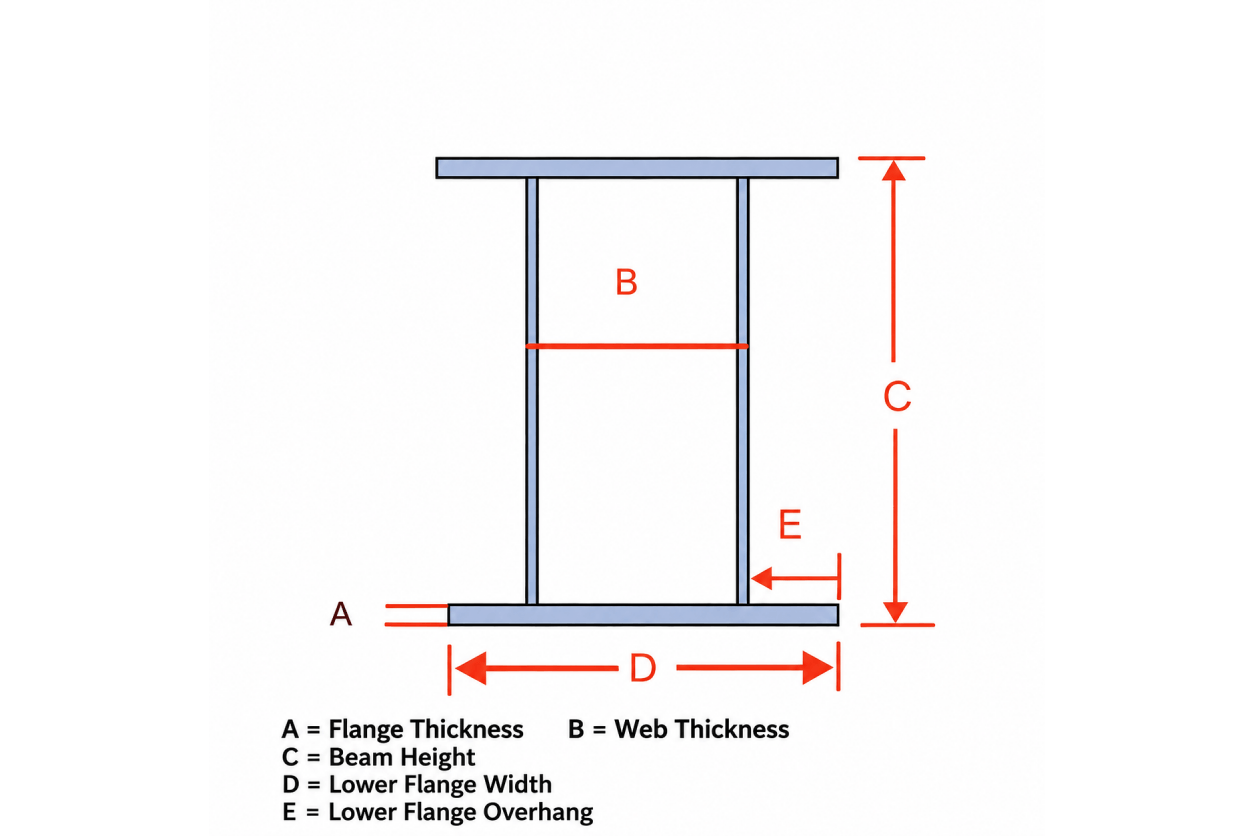
- Largura da flange inferior da viga da ponte rolante — A suspensão do guincho deve corresponder exatamente a essa largura. Se for muito estreita ou muito larga, o guincho não poderá ser montado com segurança.
- Tensão original de controle do guindaste (24V / 36V / 48V) — Se essa tensão estiver incorreta, seu guindaste não responderá ou, pior, danificará o circuito existente.
- Acessórios necessários — Controle remoto, interruptores de limite e outros acessórios devem ser confirmados com antecedência para evitar problemas de compatibilidade.
Por que trabalhar comigo?
Um fornecedor qualificado de guindastes não se limita a vender equipamentos — ele oferece soluções profissionais completas de verificação e compatibilidade de especificações. O fornecedor certo economiza tempo, dinheiro e evita a frustração de lidar com um guindaste inadequado.
Seja você um usuário final de fábrica, um distribuidor de guindastes ou uma empresa de engenharia de estruturas metálicas com necessidades de substituição de talhas, novos projetos ou demanda por guindastes de suporte, não hesite em entrar em contato. Sólido conhecimento do produto, comunicação clara e foco em soluções práticas — sem marketing excessivo, apenas conselhos úteis.
Compartilhe sua experiência de compra de guindastes e talhas na seção de comentários.
