
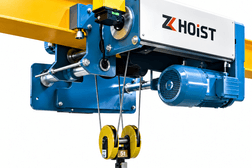
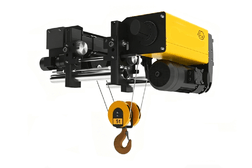
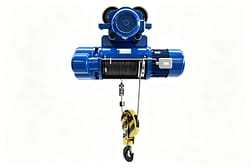
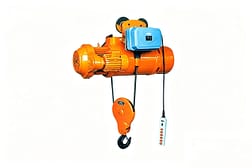
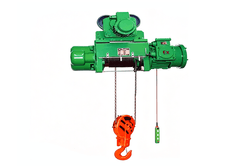
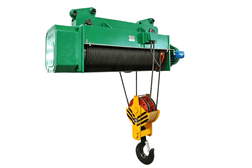
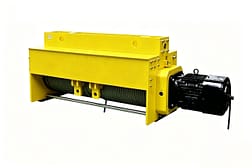
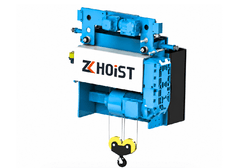
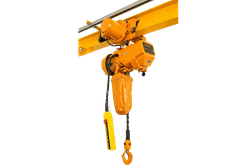
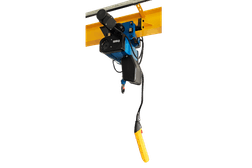
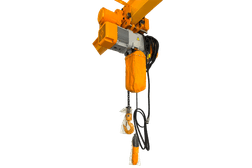
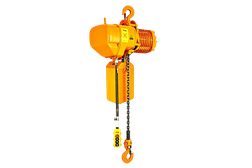
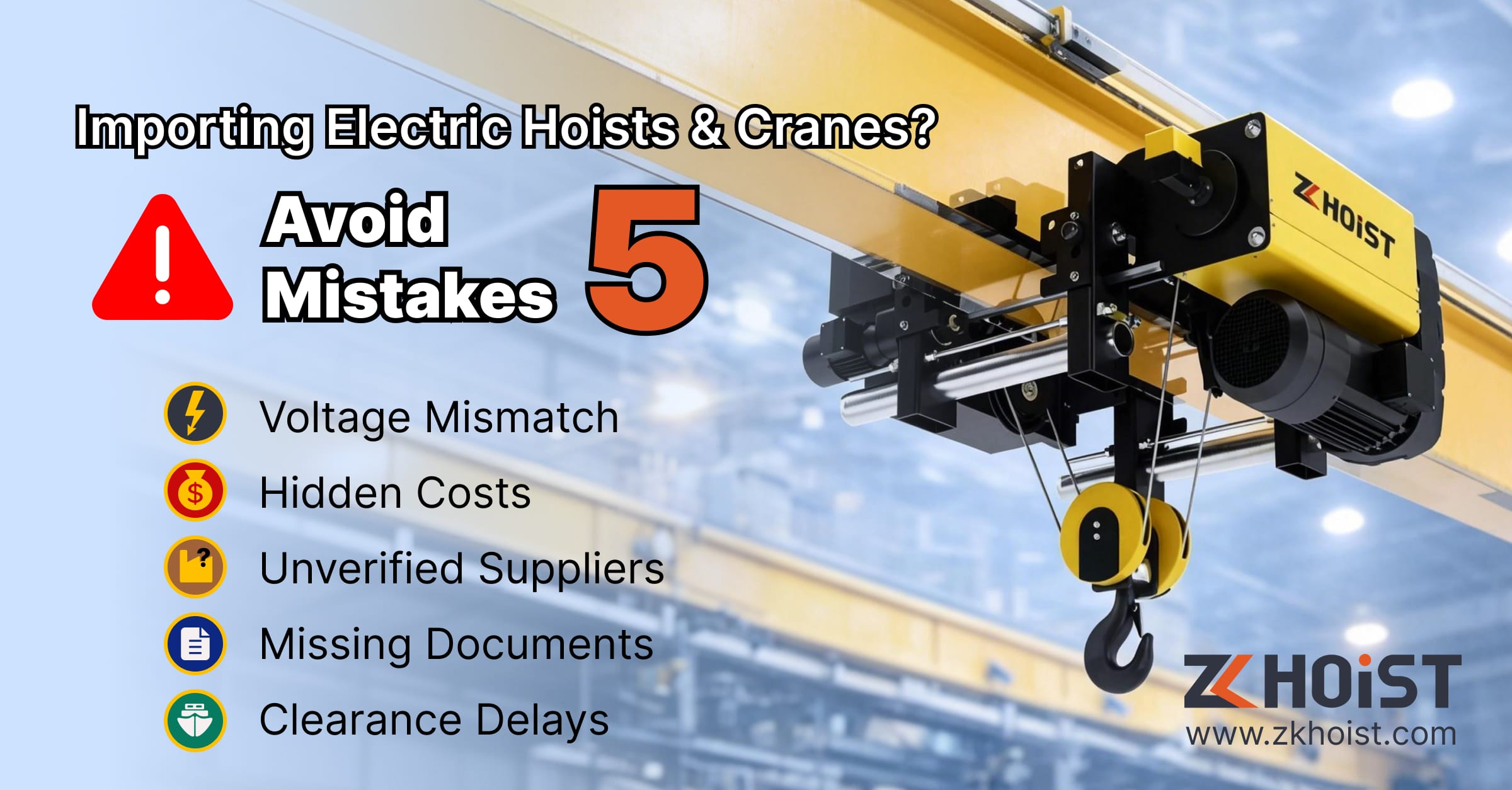
Als internationaal projectverkoopmanager in de exportindustrie van kranen en hijsinstallaties heb ik met honderden kopers in Noord-Amerika, het Midden-Oosten, Europa en daarbuiten samengewerkt. In de loop der jaren heb ik gemerkt dat veel importeurs tegen dezelfde vermijdbare problemen aanlopen bij de inkoop van elektrische takels, bovenloopkranen en aanverwante componenten – van onduidelijkheden over tarieven tot compatibiliteitsproblemen en andere gerelateerde kwesties.
Of u nu een elektrische staalkabeltakel van 5 ton aanschaft voor een Mexicaanse fabriek, of een complete ondersteuningsconstructie van 10 ton voor een Maleisisch bedrijf dat gespecialiseerd is in onderhoud en reparatie van elektrische apparatuur, deze fouten kunnen leiden tot vertraagde leveringen, onverwachte kosten, veiligheidsrisico's en zelfs problemen met de douaneafhandeling. In deze gids bespreek ik de 5 meest voorkomende valkuilen, deel ik praktische oplossingen en help ik u efficiënt en betrouwbaar hijsmateriaal te vinden.
Spanning, besturingssystemen en compatibiliteit over het hoofd gezien
Een veelvoorkomend probleem voor importeurs is het ontvangen van apparatuur die niet compatibel is met de stroomvoorziening van hun werkplaats of de bestaande kraanconstructie. Veel kopers verwarren bijvoorbeeld de verschillende onderdelen van hun apparatuur. netspanning (bijv. 220V/3-fasen/60Hz voor Mexico) met regelspanning (bijv. 36V, 24V, 48V), of verzuimen de compatibiliteit van de takel met hun bestaande bovenloopkraanbalk (I-balk/H-balk) te controleren.
Deze fout kan leiden tot kostbare aanpassingen, veiligheidsrisico's of zelfs onbruikbare apparatuur.
De oplossing:
Geef vooraf alle stroombehoeften duidelijk aan.Controleer vóór het plaatsen van een bestelling de netspanning (220V, 380V, 400V, enz.), de fase (één- of driefasig), de frequentie (50Hz of 60Hz) en de stuurspanning met uw leverancier. Gebruik schema's of foto's om misverstanden te voorkomen, vooral bij kopers zonder technische kennis.
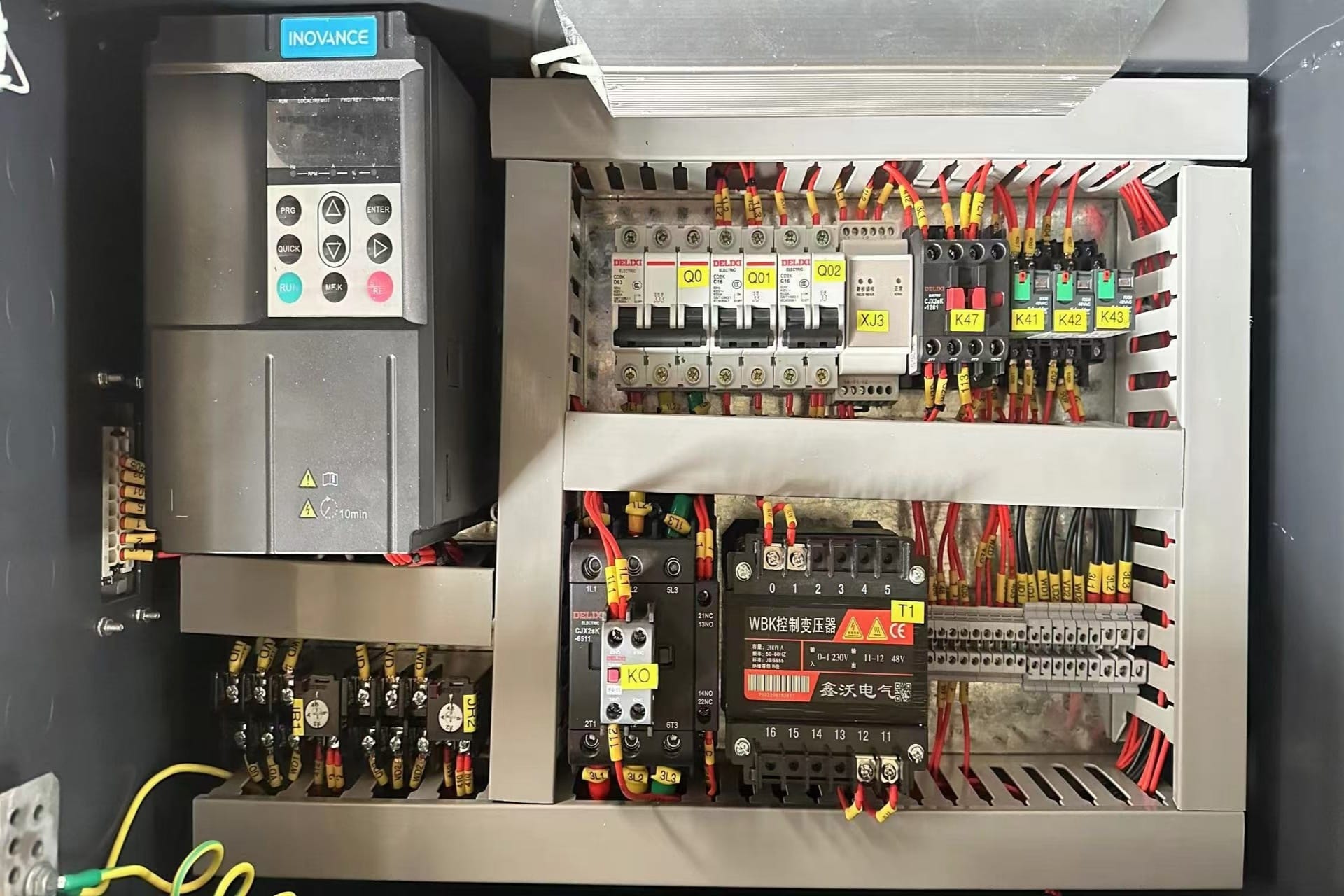
Controleer de compatibiliteit van de kraanbalk.Als u een takel aanschaft voor een bestaande kraan, deel dan de exacte afmetingen van uw balk (overspanning, flensbreedte, model, bijvoorbeeld HEB 400) met uw leverancier. Zij kunnen u adviseren over de juiste doorrijhoogte en het juiste takelmodel dat perfect op uw balk past.
Controleer alle elektrische componenten.Zorg ervoor dat de takel is voorzien van een compleet elektrisch besturingssysteem, inclusief schakelkasten, overbelastingsbeveiligingen, boven- en ondergrensschakelaars, handgrepen en afstandsbedieningen, die allemaal compatibel zijn met de lokale stroomnormen.
Onduidelijke prijsstelling en verborgen kosten
Veel kopers focussen zich aanvankelijk alleen op de productprijs, om later geconfronteerd te worden met verborgen kosten, zoals verzendkosten, invoerrechten, installatiekosten of extra kosten voor accessoires. Anderen maken zich ook zorgen over prijsschommelingen (bijvoorbeeld stijgende koper- en motorkosten) na hun eerste offerteaanvraag, wat kan leiden tot budgetoverschrijdingen.
De oplossing:
Vraag een complete en transparante offerte aan: vraag uw leverancier om een gedetailleerde offerte met een overzicht van alle inbegrepen producten en kosten: de takel zelf, elektrische bedieningselementen, accessoires, verzending en eventuele optionele diensten (bijv. installatieondersteuning).
Leg de prijs vast voor eerste bestellingen: Bevestig voor nieuwe klanten dat de opgegeven prijs geldig blijft, zelfs als de grondstofkosten stijgen, om vertrouwen op te bouwen en budgetverrassingen te voorkomen.
Houd rekening met alle kosten: neem invoerrechten, belastingen, havengelden en lokale installatiekosten mee in uw totale budget voordat u een bestelling plaatst.
Authenticiteit van de leverancier en productiekwaliteit niet geverifieerd
Een belangrijke zorg voor internationale kopers is ervoor te zorgen dat de apparatuur die ze ontvangen daadwerkelijk door de leverancier is geproduceerd en voldoet aan de overeengekomen kwaliteitsnormen. Veel importeurs vrezen namaakproducten of apparatuur die niet overeenkomt met de specificaties van het monster.
De oplossing:
Bevestig de status van uw leverancier op een transparante manier: Zorg dat u de structuur van uw leverancier goed begrijpt (bijvoorbeeld een handelsonderneming met eigen productiefaciliteiten of een directe fabrikant) om vertrouwensproblemen te voorkomen. Een betrouwbare leverancier zal eerlijk zijn over zijn mogelijkheden en bereid zijn zijn productieproces te demonstreren.
Vraag de leverancier om bewijsmateriaal voor de productie te delen: unieke productserienummers voor elke eenheid (voor traceerbaarheid), foto's of video's van het productieproces in realtime, klantreferenties of casestudy's van vergelijkbare projecten.
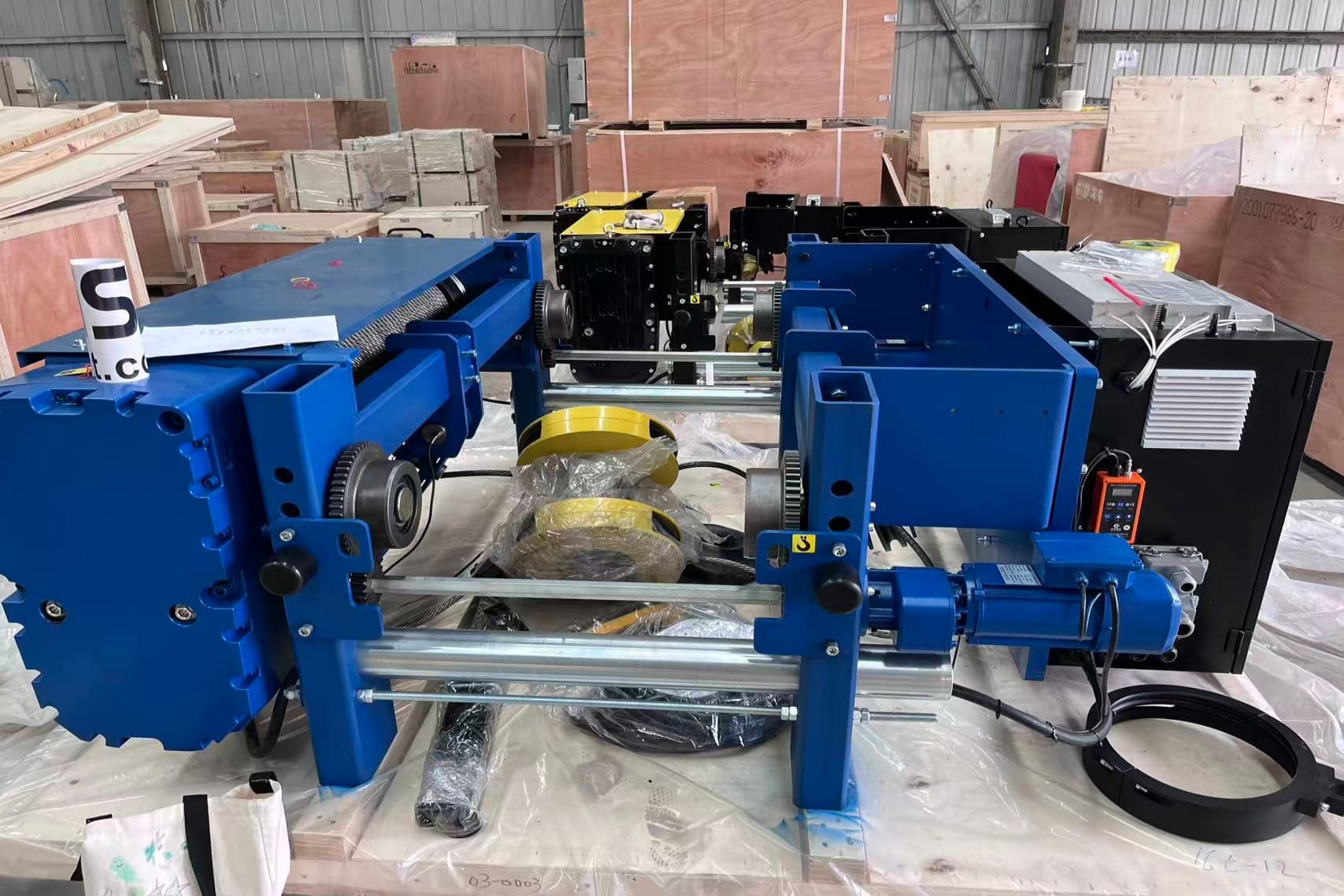
Voeg kwaliteitsdocumenten bij de zending: Zorg ervoor dat de leverancier kwaliteitscertificaten, testrapporten en fabrieksinspectiedocumenten bij de uiteindelijke zending voegt, zodat u bij aankomst kunt controleren of de apparatuur aan uw specificaties voldoet.
Onvolledige documentatie en ontbrekende certificaten
De inklaring en veilige werking van hijsinstallaties zijn volledig afhankelijk van complete en accurate documentatie en geldige certificeringen. Veel kopers ontvangen onvolledige documenten of controleren niet of certificeringen (bijv. CE, ISO) geldig zijn voor hun doelmarkt. Dit leidt tot afgekeurde zendingen, afgekeurde inspecties of veiligheidsrisico's.
De oplossing:
Vraag alle benodigde documentatie vooraf op.:
- CE/ISO-certificering (geldig voor uw markt, bijvoorbeeld CE-certificering (vereist voor EU-markten en algemeen geaccepteerd in veel regio's))
- Handelsfactuur, paklijst, oorsprongscertificaat
- Materiaalcertificaten (bijv. Q235B voor staal van de hoofdbalk)
- Bedrijfslicentie (Engelse versie) en testrapporten
Controleer de invoervereisten voor uw land.Maleisië vereist bijvoorbeeld een invoervergunning (AP) voor hijsinstallaties. Bevestig dit met uw leverancier vóór verzending en zorg ervoor dat zij alle benodigde documenten voor uw aanvraag aanleveren.
Bewaar zowel digitale als fysieke kopieën.Bewaar alle documentatie digitaal voor gemakkelijke toegang en zorg ervoor dat er fysieke kopieën bij de zending worden gevoegd voor de douane.
Onjuiste HS-code en vertragingen bij inklaring
Een van de eerste en belangrijkste stappen bij het importeren van hijsinstallaties is het begrijpen van de HS-code. Deze code bepaalt de invoerrechten, binnenlandse belastingen en douanevoorschriften in uw land. Veel kopers gebruiken de verkeerde HS-code, controleren deze niet met hun douaneagent of onderschatten de benodigde tijd voor inklaring. Dit leidt tot vertragingen in de haven, onverwachte kosten of zelfs inbeslagname van zendingen.
De oplossing:
Controleer HS-codes proactief.: Overleg met uw leverancier om de juiste HS-code voor uw specifieke apparatuur (bijv. elektrische takels, kraanonderdelen, complete ondersteuningsconstructies) te bevestigen vóór verzending.
Overleg met uw douaneagent.Deel de HS-code, verzendgegevens en alle documentatie tijdig met uw douaneagent om een vlotte inklaring te garanderen.
Plan voor de opruimtijd.: Voeg altijd extra dagen toe aan uw planning voor de afhandeling in de haven en neem regelmatig contact op met uw leverancier om de voortgang van de verzending te volgen.
Professionele tip voor kopers:
Vraag uw leverancier om u te helpen de HS-code op te zoeken in het officiële douanesysteem van uw land en controleer of alle documentatie (handelsfactuur, paklijst, certificaat van oorsprong) exact overeenkomt met de code om vertragingen te voorkomen.
Hoe wij u helpen deze risico's te vermijden
Het importeren van elektrische takels, kranen en hijsinstallaties hoeft geen stressvolle aangelegenheid te zijn.
Door de specificaties goed vast te stellen, de juiste documentatie op te stellen en samen te werken met een betrouwbare en transparante leverancier, kunt u een soepel inkoopproces, een veilige bedrijfsvoering en waardecreatie op lange termijn voor uw bedrijf garanderen.
Met jarenlange ervaring in wereldwijde kraanprojecten leveren we niet alleen apparatuur, maar helpen we onze klanten ook om potentiële problemen vroegtijdig te signaleren en kostbare fouten te voorkomen voordat ze zich voordoen.
Als je een project plant of op zoek bent naar hijsmateriaal, laat dan gerust een reactie achter of stuur me een bericht. Ik deel graag praktisch advies en help je de juiste oplossing te vinden.
